
Rapid Prototyping
What’s the Difference Between a Prototype Factory and a Model Factory?
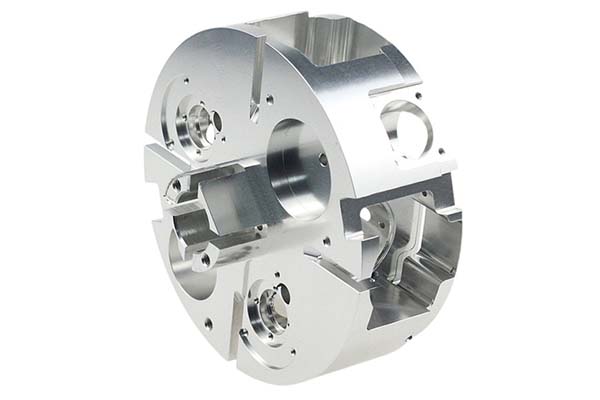
You have a great product idea. You need someone to build a physical version. So you start searching for a factory. But soon you run into two terms that sound almost the same: prototype factory and model factory. At first glance, both seem to make “things” from your designs. But here is the truth: these two types of facilities serve completely different purposes. One builds parts to test function.
Key takeaways
- A model factory specializes in creating models for display, collection, or visual presentation. These are physical objects meant to be seen, not used.
- Now let’s dig into the specific ways these two types of factories differ. Understanding these will help you make the right choice every time.
- This is the question people ask most often. The short answer is: rarely, and usually not well.
- Prototype factories and model factories serve different worlds. One builds parts to test function. The other builds pieces to show beauty.
What Does a Prototype Factory Actually Do?
A prototype factory specializes in building functional prototypes. These are physical versions of your design meant for testing, validation, and refinement. Think of them as “working drafts” that help you answer questions like:
- Does this part fit with others?
- Can it withstand the forces it will face?
- Is the material strong enough?
- Does the mechanism work smoothly?
Prototype factories use technical manufacturing processes to create parts that match your engineering specifications as closely as possible. Their goal is not beauty—it is accuracy and function.
Common Processes in Prototype Factories
- CNC machining: Computer-controlled cutting of solid blocks into precise parts. Great for metals and engineering plastics.
- 3D printing: Building parts layer by layer from digital files. Perfect for complex shapes and rapid iterations.
- Vacuum casting: Making small batches of plastic parts using silicone molds. Good for 10-50 identical pieces.
- Sheet metal fabrication: Cutting and bending metal sheets into enclosures or brackets.
Who Uses Prototype Factories?
- Product development teams testing new designs
- Engineers validating mechanical function
- Industrial designers checking ergonomics and fit
- Startups proving concepts before seeking funding
What Comes Out of a Prototype Factory?
You get parts that:
- Match your CAD dimensions within tight tolerances (often ±0.05mm or better)
- Use materials similar to final production (ABS, aluminum, steel, etc.)
- Can be assembled, tested, and even broken to learn limits
- May have a rough surface finish because function matters more than looks
Real-world example: A medical device company needs to test a new surgical tool handle. They go to a prototype factory. The factory CNC machines several handles from ABS plastic. The handles have tool marks and aren’t pretty. But they fit perfectly on the prototype instrument, and surgeons can test grip comfort and control. The feedback leads to design changes before expensive production tooling is made.
What Does a Model Factory Actually Do?
A model factory specializes in creating models for display, collection, or visual presentation. These are physical objects meant to be seen, not used. They prioritize appearance over function.
Think of models as the “finished portraits” of your product. They look like the real thing, but they don’t work like it. Their job is to impress viewers, not survive testing.
Common Processes in Model Factories
- Resin casting: Pouring liquid resin into molds to capture fine details. Great for figures and decorative pieces.
- Hand sculpting: Skilled artists shaping clay, wax, or other materials by hand. Used for unique or highly detailed pieces.
- Airbrushing and hand painting: Applying custom colors and finishes for realistic or artistic effects.
- 3D scanning and printing: Sometimes used as a base, then refined by hand.
Who Uses Model Factories?
- Movie and TV studios needing props or creature effects
- Marketing teams creating display pieces for trade shows
- Collectors commissioning custom figures or replicas
- Museums building exhibition models
- Toy companies making concept figures for licensing pitches
What Comes Out of a Model Factory?
You get pieces that:
- Have stunning visual detail (textures, colors, perfect surfaces)
- May be made from materials chosen for appearance (resin, plaster, paint)
- Usually have no moving parts or internal function
- Are built to last on a shelf or in a display case
Real-world example: A movie studio needs a prop sword for a fantasy film. They go to a model factory. Artists sculpt the sword design, cast it in lightweight resin, and hand-paint it to look like aged metal. The sword looks amazing on camera. But try to actually cut something with it, and it would shatter. That’s fine—its job is to look good, not function.
What Are the Core Differences Between Them?
Now let’s dig into the specific ways these two types of factories differ. Understanding these will help you make the right choice every time.
Who Do They Serve?
| Factory Type | Primary Clients | What Clients Need |
|---|---|---|
| Prototype Factory | Engineers, product developers, industrial designers | Functional parts for testing and validation |
| Model Factory | Entertainment studios, marketers, artists, collectors | Visually impressive pieces for display |
Why this matters: If you are an engineer needing a test part, a model factory cannot help you. They don’t have the right machines or mindset. If you are a marketer needing a beautiful trade show display, a prototype factory will give you something functional but possibly ugly—not what you want for your booth.
What Materials Do They Use?
Material choice reveals everything about each factory’s goals.
| Factory Type | Common Materials | Why These Materials? |
|---|---|---|
| Prototype Factory | ABS, polycarbonate, aluminum, steel, nylon | Mimic final product properties; machinable; testable |
| Model Factory | Resin, plaster, polyurethane foam, acrylic paint | Easy to sculpt/cast; holds fine details; takes paint well |
Prototype materials are chosen to behave like production materials. ABS plastic in a prototype acts like ABS in a molded part. Aluminum prototypes bend and break like production aluminum parts.
Model materials are chosen for how they look and how easily they capture detail. Resin can be poured into molds that reproduce every fingerprint of a sculpted original. But resin parts are brittle and don’t behave like engineering plastics.
Cost comparison: Prototype materials are generally cheaper for basic plastics ((2-)15 per kg) but can be expensive for metals ((10-)50 per kg). Model materials like specialty resins and paints cost more ((8-)30 per kg for resin, plus labor for painting) but enable visual effects you cannot get from machining.
How Are the Final Products Used?
This is the biggest difference of all.
Prototype factory outputs are tools for learning. They get:
- Assembled and disassembled
- Dropped, stressed, and tested to failure
- Measured and compared to CAD models
- Modified based on test results
- Often thrown away after providing data
Model factory outputs are pieces for presentation. They get:
- Displayed in cases or on shelves
- Photographed for marketing materials
- Shown at trade shows to attract attention
- Collected as art or memorabilia
- Preserved for years, not discarded
Real-world example: A toy company developing a new action figure might use both. First, they go to a prototype factory to make test shots of the figure’s joints—checking that arms move properly and don’t break. Then, once the design is finalized, they go to a model factory to create beautifully painted display figures for toy fair presentations. Different factories for different needs.
What Processes Do They Use?
| Factory Type | Key Processes | Process Goals |
|---|---|---|
| Prototype Factory | CNC machining, 3D printing, vacuum casting, sheet metal work | Precision, repeatability, material accuracy |
| Model Factory | Resin casting, hand sculpting, airbrushing, fine painting | Detail, finish, visual appeal |
Prototype processes are technical and computer-controlled. They aim for tolerances of ±0.05mm or better. Every part should match the next one.
Model processes are artistic and hands-on. A skilled painter might spend days getting the perfect weathered look on a single model. That level of detail is impossible with machines alone.
How Long Does Each Take?
Lead times vary, but general patterns hold:
- Prototype factory: Simple parts in 3-5 days. Complex parts in 7-10 days. Speed comes from automated processes.
- Model factory: Small models in 5-7 days. Large custom pieces in 2-4 weeks. Hand work takes time.
The hand labor in model making is why they take longer. You cannot rush an artist the way you can rush a CNC machine.
Can a Prototype Factory Make a Model? Can a Model Factory Make a Prototype?
This is the question people ask most often. The short answer is: rarely, and usually not well.
When a Prototype Factory Might Make Something Model-Like
Sometimes a prototype factory will add a nice finish to a prototype if a client needs it for a presentation. They might do light sanding or a simple paint coat. But this is a sideline, not their strength.
The result will look better than a raw machined part, but it won’t have the artistic detail of a true model. And they won’t spend days hand-painting intricate textures.
When a Model Factory Might Make Something Prototype-Like
A model factory might use 3D printing to create a base for a model. Some have basic CNC equipment. But they lack the engineering knowledge to make parts that function correctly.
A model factory could make a resin copy of a phone case that looks perfect. But it won’t have the right thickness, the correct snap-fit behavior, or the impact resistance of a real prototype. Try to use it for drop testing, and it will fail.
The Overlap Zone
There is a small overlap for “appearance prototypes”—parts that need to look like the final product for photos or presentations but don’t need to function. A prototype factory can make these with extra finishing. A model factory can make them too. But for anything that needs to work, stick with the prototype factory.
How to write a spec that gets priced correctly
A drawing is a contract. If it leaves a number open, the shop fills that number in with its own default. The default is rarely the one you had in mind. Put these five lines on every RFQ and most of the back-and-forth disappears before it starts.
- A model you are willing to freeze for the build
- The question the prototype must answer
- Process and material that can answer it
- Tolerance on the features under test
- How many iterations you have budgeted
The point is not paperwork. Each line removes a decision the shop would otherwise make for you. A complete RFQ comes back priced. An incomplete one comes back guessed.
What actually drives the price
Buyers usually push on material because it is the line they can see. In practice the material is rarely the biggest number on a quote. These five lines decide most of it:
- process choice
- part size and feature count
- material
- finish and fit checks
- number of iterations
Ask for the quote split by line. A supplier who cannot break it down is guessing, and you will pay for the guess. The line you can usually renegotiate is the tolerance band, not the raw material.
Problems you will meet, and the fix
Every process has a failure mode it prefers. The same four show up again and again on this kind of work, and none of them are mysteries once you know what to look for.
- A prototype that is too good and hides a production problem
- A prototype that is too rough to test the real question
- Material chosen for speed rather than for the test
- No measurement plan, so the result is an opinion
Catch the fault on the first part, not the hundredth. A first-article check costs an hour. A bad batch costs the whole order. Write the check into the purchase order so nobody has to remember it.
What to check on the first article
The first article is the cheapest inspection you will ever buy. Use it properly and the rest of the run becomes boring, which is exactly what you want.
- Every dimension on the drawing, with the measured value written beside it.
- The material certificate, matched to the heat or lot number on the parts.
- The finish against the sample you approved, under the same light.
- Fit against the mating part, assembled rather than measured.
- Packaging, because parts that arrive damaged were never in tolerance.
Check in this order: datums, then mating features, then cosmetic faces. If the datums are wrong, every number after them is noise. Keep the report on file. When a problem shows up in month six, that document is the only thing that tells you what changed.
Which One Do You Need? A Decision Framework
Use these questions to guide your choice.
Question 1: What Is Your Goal?
- I need to test function, fit, or strength → Prototype factory.
- I need something beautiful to show people → Model factory.
- I need both? → Consider making a functional prototype first, then a display model later.
Question 2: Does It Need to Work?
- Yes, it must assemble, move, or survive handling → Prototype factory.
- No, it just needs to look right → Model factory.
Question 3: What Materials Are Required?
- Engineering plastics, metals, production-like materials → Prototype factory.
- Resin, plaster, materials chosen for appearance → Model factory.
Question 4: What Is Your Budget?
Prototypes are generally cheaper for simple parts because they use automated processes. Models cost more for the same size because of hand labor.
- Simple plastic part (10cm cube): Prototype (50-)100. Model (150-)300.
- Complex painted figure: Prototype not applicable. Model $500-$2,000+ depending on detail.
Question 5: What Is Your Timeline?
- Need it fast (under a week) → Prototype factory, if the design is simple.
- Can wait for artistic work → Model factory.
Quick Decision Matrix
| If you are… | And you need… | Go to a… |
|---|---|---|
| An engineer | A part to test under load | Prototype factory |
| A marketer | A stunning trade show display | Model factory |
| A startup founder | A working demo for investors | Prototype factory (functional) then maybe model factory for polished version |
| A movie prop master | A sword that looks real on camera | Model factory |
| A toy designer | Joints that move correctly | Prototype factory |
| A collector | A limited-edition statue | Model factory |
Prototype factories and model factories serve different worlds. One builds parts to test function. The other builds pieces to show beauty. Neither is better—they are just different tools for different jobs.
- Choose a prototype factory when you need to validate design, test performance, or prove that your product works.
- Choose a model factory when you need a stunning visual piece for display, marketing, or collection.
Mixing them up leads to disappointment. A model factory cannot give you meaningful test data. A prototype factory cannot give you museum-quality artistry.
But when you choose correctly, each type of factory becomes a powerful partner. The prototype factory helps you refine your design until it is ready for production. The model factory helps you showcase that design to the world.
Know your goal. Choose your partner. Move your project forward.
How we can help
YiguProto runs rapid prototyping in house, from a single prototype to a production batch. We quote the process, the material and the finish as separate lines, so you can see where the money goes instead of arguing with one number.
Send a STEP file or a drawing and you get a DFM report in one to two business days. It flags the features that add cost and the features that will not hold tolerance on the process you picked.
Every order ships with an inspection report on the features you call out. If a part misses, we make it again. Ready to price a part? Start with a free quote and DFM review, or read more about our rapid prototyping. You can also talk to an engineer before you commit to a drawing.
Frequently asked questions
What files do you need in order to quote?
A STEP file plus a PDF drawing that carries the same revision letter. The model carries the geometry and the drawing carries the intent. When the two disagree, the shop picks one, and it is never the one you meant.
Is there a minimum order quantity?
No hard minimum. One part is fine. What changes with volume is which costs dominate, so a single unit is priced mostly on setup and a thousand units are priced mostly on cycle time and material.
How long does a first article take?
Usually a few business days once the drawing is frozen, and longer if tooling is involved. The date we give you is the date we confirm in writing, not the date we hope for.
What material should I specify?
Specify by standard, not by trade name. A trade name can change under you between two orders; a standard number cannot. Then add the one property that actually decides the part, whether that is strength, heat resistance or chemical exposure.
How do I compare two quotes fairly?
Match the scope first: same drawing, same material, same finish, same inspection. Then read the exclusions. Freight, tooling and certificates are the usual gaps, and a low number with three gaps is not a low number.
What happens if a part is out of specification?
We measure it against the same drawing you approved and, if it misses, we make it again. What matters is that the report exists, because a disagreement without data is just an opinion.
The short version
Good parts reward the buyer who reads the data sheet and the drawing together. Pick the option for the property that matters, not for the price per kilo.
Tighten only what mates. Test a sample before the run. Then let the process do the rest.