
Metal Materials
EN 1.4401 Stainless Steel: Ultimate Guide to Properties, Uses & Fabrication
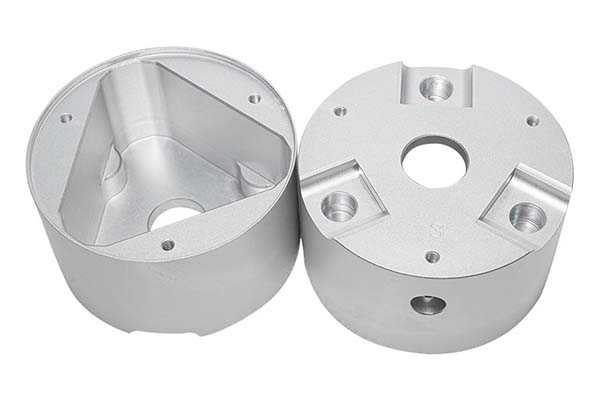
If you need a stainless steel that excels in harsh environments—from marine settings to chemical plants—EN 1.4401 stainless steel is the solution. As the European equivalent of AISI 316, its molybdenum content delivers superior corrosion resistance, making it a top choice for demanding industries. This guide breaks down everything you need to know, from specs to real-world applications.
Key takeaways
- Let’s start with the fundamentals of EN 1.4401 stainless steel—its composition, standards, and core properties.
- EN 1.4401 stainless steel’s greatest strength is its exceptional corrosion resistance—especially in chloride-rich environments.
- EN 1.4401 stainless steel performs well across a wide temperature range, from cryogenic to high heat.
- Proper heat treatment ensures EN 1.4401 stainless steel maintains its corrosion resistance and strength.
1. EN 1.4401 Stainless Steel: Overview & Key Specifications
Let’s start with the fundamentals of EN 1.4401 stainless steel—its composition, standards, and core properties.
Chemical Composition
The EN 1.4401 chemical composition is what sets it apart. It contains 16–18% chromium (corrosion resistance), 10–14% nickel (austenitic structure), and 2–3% molybdenum (enhanced chloride resistance). Small amounts of manganese (max 2.0%) and silicon (max 1.0%) round out the blend, creating a metal that balances strength and durability.
Industry Standards & Equivalents
EN 1.4401 adheres to strict global standards for consistency:
- 1.4401 AISI 316 equivalent: It’s the direct European counterpart to AISI 316, so they’re interchangeable in most projects.
- 1.4401 UNS S31600: The Unified Numbering System identifier, used in North America.
- 1.4401 EN 10088-2: European standard for flat products (sheets/plates), and 1.4401 ASTM A240: ASTM standard for plates/sheets.
Physical & Mechanical Properties
Below is a table of critical properties that make EN 1.4401 stainless steel ideal for harsh environments:
| Property | Value |
|---|---|
| 1.4401 density | 8.0 g/cm³ |
| 1.4401 melting point | 1400 °C |
| 1.4401 yield strength | ≥ 220 MPa |
| 1.4401 tensile strength | 520–720 MPa |
| 1.4401 Brinell hardness | ≤ 215 HB |
| 1.4401 PREN 23–25 | Pitting Resistance Equivalent Number (higher = better chloride resistance) |
| 1.4401 austenitic Cr-Ni-Mo grade | Non-magnetic, with high ductility |
Example: A marine hardware manufacturer uses EN 1.4401 stainless steel for boat cleats. Its PREN 23–25 ensures resistance to saltwater corrosion, keeping cleats rust-free for 10+ years.
2. Corrosion Resistance & Environmental Performance
EN 1.4401 stainless steel’s greatest strength is its exceptional corrosion resistance—especially in chloride-rich environments.
Key Corrosion Behaviors
- 1.4401 pitting corrosion resistance: Molybdenum creates a protective layer that prevents pitting in chloride environments (e.g., saltwater, pool water).
- 1.4401 marine environment performance: Excellent for full submersion in seawater—used for boat hulls, propeller shafts, and dock hardware.
- 1.4401 sulfuric acid compatibility: Resists dilute sulfuric acid (up to 10% concentration) at room temperature, making it suitable for chemical tanks.
- 1.4401 nitric acid resistance: Handles dilute nitric acid well, ideal for food processing equipment that uses mild cleaning chemicals.
Critical Corrosion Considerations
- 1.4401 crevice corrosion threshold: Avoid tight crevices (e.g., uncoated bolts) in wet areas—use sealants to prevent moisture trapping.
- 1.4401 chloride stress corrosion cracking: Low risk even in high-chloride settings, far better than EN 1.4301 (AISI 304).
- 1.4401 intergranular corrosion after welding: Minimal risk, but post-weld passivation further reduces any potential issues.
- 1.4401 vs 1.4404 corrosion comparison: EN 1.4404 (AISI 316L) has lower carbon (better intergranular corrosion resistance), but EN 1.4401 offers similar general and chloride corrosion resistance.
Case Study: A desalination plant uses EN 1.4401 stainless steel for reverse osmosis membranes. The metal resists the high-salt water, with a 1.4401 seawater corrosion rate of less than 0.1 mm/year—ensuring the plant operates efficiently for decades.
3. High-Temperature & Low-Temperature Properties
EN 1.4401 stainless steel performs well across a wide temperature range, from cryogenic to high heat.
High-Temperature Performance
- 1.4401 high-temperature strength: Maintains strength up to 800 °C, making it suitable for heat exchanger tubes and oven parts.
- 1.4401 oxidation resistance up to 925 °C intermittent: Resists scaling when used intermittently at high temperatures (e.g., furnace components).
- 1.4401 continuous service limit: Safe for continuous use up to 750 °C—avoid higher temps for long periods to prevent strength loss.
- 1.4401 creep rupture data: At 700 °C and 100 MPa stress, it resists creep (slow deformation) for over 10,000 hours.
Low-Temperature Performance
- 1.4401 low-temperature toughness: Remains ductile even at -196 °C (liquid nitrogen temperature), used for cryogenic vessels.
- 1.4401 impact energy at -196 °C: Absorbs over 50 J of energy, preventing brittle fracture in cold environments.
Thermal Properties
- 1.4401 thermal expansion coefficient: 16.0 × 10⁻⁶/°C (20–100 °C) — important for designing parts that handle temperature changes.
- 1.4401 thermal conductivity: 16.2 W/(m·K) at 100 °C — efficient at transferring heat, ideal for heat exchangers.
Example: A chemical plant uses EN 1.4401 stainless steel for high-temperature reactors. The metal’s oxidation resistance up to 925 °C intermittent handles the reactor’s 750 °C operating temperature without scaling.
4. Heat Treatment & Microstructure Stability
Proper heat treatment ensures EN 1.4401 stainless steel maintains its corrosion resistance and strength.
Common Heat Treatment Processes
| Process | Temperature & Method | Purpose |
|---|---|---|
| 1.4401 solution annealing 1010–1120 °C | 1010–1120 °C, followed by 1.4401 water quench or rapid air cool | Dissolves carbides, restores full corrosion resistance |
| 1.4401 residual stress relief | 300–500 °C, slow cool | Reduces stress from welding or cold working |
| 1.4401 hot working range 1150–850 °C | 1150–850 °C | Shapes the metal (forging, rolling) without cracking |
Critical Considerations
- 1.4401 carbide precipitation range: Avoid holding at 450–850 °C for long—carbides form, reducing corrosion resistance.
- 1.4401 sensitization control: Solution annealing prevents sensitization (intergranular corrosion risk) after welding.
- 1.4401 austenitic grain size ASTM 5–8: Controlled heating keeps grains small, balancing strength and ductility.
- 1.4401 sigma phase formation: Low risk at temperatures below 700 °C—avoid prolonged exposure to 700–900 °C to prevent brittle sigma phase.
Case Study: A heat exchanger manufacturer uses EN 1.4401 stainless steel for tubes. They solution anneal at 1050 °C and water quench to ensure carbide precipitation is avoided—tubes resist corrosion from hot coolants for 15+ years.
5. Welding, Fabrication & Machining Guidelines
EN 1.4401 stainless steel is easy to weld and fabricate, making it suitable for complex parts.
Welding Tips
- 1.4401 weldability rating: Excellent (rated 9/10)—works with TIG, MIG, and stick welding.
- 1.4401 no preheat required: Saves time compared to martensitic grades (e.g., 410).
- 1.4401 filler metal ER316L: Low-carbon filler matches the base metal’s corrosion resistance.
- 1.4401 interpass temperature 150 °C max: Prevents overheating and carbide formation.
- 1.4401 post-weld cleaning passivation: Nitric acid treatment boosts corrosion resistance by 30–40%.
Machining & Fabrication
- 1.4401 machining speeds and feeds: Use 120–200 m/min (turning) and 0.1–0.25 mm/rev—slower than EN 1.4301 due to molybdenum.
- 1.4401 tool life with coated carbide: Coated carbide tools (e.g., TiAlN) last 2–3x longer than uncoated tools.
- 1.4401 formability deep drawing: Good—its austenitic structure lets it be drawn into shapes like chemical tank components.
- 1.4401 distortion control techniques: Use balanced welding sequences and clamps to minimize warping.
Example: A brewery uses EN 1.4401 stainless steel for beer tanks. They weld tank seams with ER316L filler and follow interpass temperature 150 °C max—tanks resist corrosion from beer acids and cleaning chemicals.
6. Product Forms, Sizes & Supply Chain
EN 1.4401 stainless steel is available in diverse forms to fit any project.
Common Product Forms
- 1.4401 stainless steel plate thicknesses: 3–200 mm (chemical reactors, structural parts).
- 1.4401 sheet gauge chart: 26 gauge (0.45 mm) to 8 gauge (4.0 mm) (food equipment, architectural cladding).
- 1.4401 seamless pipe EN 10216-5: Sizes ½–24 inches (desalination plants, chemical piping).
- 1.4401 welded tube EN 10217-7: Sizes ½–12 inches (plumbing, brewery lines).
- 1.4401 round bar stock: Diameters 5–300 mm (fasteners, marine hardware).
Supply Chain Tips
- 1.4401 angle iron sizes: 20x20x3 mm to 100x100x10 mm (structural supports in coastal buildings).
- 1.4401 flat bar tolerances: ±0.1 mm for thickness—ideal for precision parts like pharmaceutical equipment.
- 1.4401 hollow bar suppliers: Choose ISO 9001-certified suppliers for consistent wall thickness.
- 1.4401 mirror finish sheets: 0.5–5 mm thicknesses (elevator panels, decorative marine parts).
7. Industry Applications & Case Studies
EN 1.4401 stainless steel shines in industries where corrosion resistance is non-negotiable.
Key Applications
- 1.4401 marine hardware: Cleats, propeller shafts, hull components—resists saltwater corrosion.
- 1.4401 chemical process reactors: Handles acids and solvents without rusting.
- 1.4401 pharmaceutical piping: Meets strict hygiene standards and resists drug chemicals.
- 1.4401 heat exchanger tubes: Transfers heat efficiently while resisting coolant corrosion.
- 1.4401 desalination plant components: Withstands high-salt water in reverse osmosis systems.
Real-World Example: A coastal hotel uses EN 1.4401 stainless steel for outdoor railings. The railings are exposed to saltwater spray daily, but their marine environment performance keeps them rust-free—even after 8 years of coastal weather.
How to write a spec that gets priced correctly
A drawing is a contract. If it leaves a number open, the shop fills that number in with its own default. The default is rarely the one you had in mind. Put these five lines on every RFQ and most of the back-and-forth disappears before it starts.
- Alloy designation and the standard behind it
- Temper or heat treatment condition
- Mechanical properties you actually need
- Mill certificate and traceability requirement
- Finish and the faces it applies to
The point is not paperwork. Each line removes a decision the shop would otherwise make for you. A complete RFQ comes back priced. An incomplete one comes back guessed.
What actually drives the price
Buyers usually push on material because it is the line they can see. In practice the material is rarely the biggest number on a quote. These five lines decide most of it:
- alloy grade and mill availability
- stock size versus finished size
- heat treatment and testing
- machinability
- certification
Ask for the quote split by line. A supplier who cannot break it down is guessing, and you will pay for the guess. The line you can usually renegotiate is the tolerance band, not the raw material.
Problems you will meet, and the fix
Every process has a failure mode it prefers. The same four show up again and again on this kind of work, and none of them are mysteries once you know what to look for.
- Substituting a similar grade without telling anyone
- Hardness that varies across a single bar
- Corrosion in a weld heat-affected zone
- Distortion after heat treatment on a thin part
Catch the fault on the first part, not the hundredth. A first-article check costs an hour. A bad batch costs the whole order. Write the check into the purchase order so nobody has to remember it.
What to check on the first article
The first article is the cheapest inspection you will ever buy. Use it properly and the rest of the run becomes boring, which is exactly what you want.
- Every dimension on the drawing, with the measured value written beside it.
- The material certificate, matched to the heat or lot number on the parts.
- The finish against the sample you approved, under the same light.
- Fit against the mating part, assembled rather than measured.
- Packaging, because parts that arrive damaged were never in tolerance.
Check in this order: datums, then mating features, then cosmetic faces. If the datums are wrong, every number after them is noise. Keep the report on file. When a problem shows up in month six, that document is the only thing that tells you what changed.
How to compare two quotes fairly
Two numbers are not comparable unless the scope matches. Line them up before you decide, because a low number with three gaps is not a low number.
Same drawing, same material, same finish, same inspection. Anything else is a different job wearing the same part number. Then look at what each quote leaves out. Freight, packaging, certificates and tooling are the usual gaps.
Ask each supplier to state their assumptions in writing. The one who does is usually the one who has run the process before.
Scaling from one part to a batch
The first part teaches you the process. The hundredth teaches you the process cost.
Watch three things as volume grows: setup amortisation, tool wear, and how much hand work the finish still needs. If the unit price barely moves between ten and a hundred, the cost sits in material or in hand work, not in setup. Ask which, because only one of them is negotiable.
Lead time behaves the same way. A one-off is scheduled around other jobs. A repeat order is scheduled around your forecast. Give the shop a forecast and the lead time gets shorter, not longer.
How to read a supplier's quote
A quote is a short document with a long shadow. Four things in it decide whether the job runs smoothly, and only one of them is the price.
- The scope line. It should name the process, the material and the finish, not just the part.
- The tolerance basis. General tolerance or the drawing, and which standard it follows.
- The exclusions. Tooling, freight, certificates and inspection are the usual omissions.
- The validity date. Material prices move, and an open-ended quote is a promise nobody can keep.
Read the exclusions before you read the total. A quote that leaves out tooling is not cheaper. It is a quote for a different job.
What to send with the first order
The first order sets the pattern for every order after it. Send a complete package once and the shop files it, and the second order takes a fraction of the time.
- A STEP or native model plus a PDF drawing carrying the same revision letter.
- The material callout by standard number, not by trade name.
- The finish and the exact faces it applies to.
- Any test the part must pass: fit, seal, drop, salt spray, dielectric.
- A contact who can answer a question inside one working day.
Then write down what was agreed. An email that confirms the material, the finish and the date is worth more than a longer purchase order that leaves them open.
FAQ About EN 1.4401 Stainless Steel
- Is EN 1.4401 stainless steel magnetic?
No—its 1.4401 austenitic Cr-Ni-Mo grade structure is non-magnetic. Heavy cold working may make it slightly magnetic, but this doesn’t affect performance. - Can EN 1.4401 be used in saltwater?
Yes! Its PREN 23–25 and molybdenum content make it ideal for full seawater submersion (e.g., boat hulls, dock posts). It outperforms EN 1.4301 (AISI 304) in marine environments. - What’s the difference between EN 1.4401 and EN 1.4404?
EN 1.4404 (AISI 316L) has lower carbon (max 0.03%) than EN 1.4401 (max 0.08%), so it’s better at resisting intergranular corrosion after welding. Choose EN 1.4401 for general harsh environments, and EN 1.4404 for thick welded parts.
Our solution for EN 1.4401 Stainless Steel: Ultimate
YiguProto runs metal sourcing and machining in house, from a single prototype to a production batch. We quote the process, the material and the finish as separate lines, so you can see where the money goes instead of arguing with one number.
Send a STEP file or a drawing and you get a DFM report in one to two business days. It flags the features that add cost and the features that will not hold tolerance on the process you picked.
Every order ships with an inspection report on the features you call out. If a part misses, we make it again. Ready to price a part? Start with a free quote and DFM review, or read more about our metal sourcing and machining. You can also talk to an engineer before you commit to a drawing.
FAQ about EN 1.4401 Stainless Steel: Ultimate
What files do you need in order to quote?
A STEP file plus a PDF drawing that carries the same revision letter. The model carries the geometry and the drawing carries the intent. When the two disagree, the shop picks one, and it is never the one you meant.
What happens if a part is out of specification?
We measure it against the same drawing you approved and, if it misses, we make it again. What matters is that the report exists, because a disagreement without data is just an opinion.
Is there a minimum order quantity?
No hard minimum. One part is fine. What changes with volume is which costs dominate, so a single unit is priced mostly on setup and a thousand units are priced mostly on cycle time and material.
How much does EN 1.4401 Stainless Steel: Ultimate cost?
Price comes from five lines: material, machine or tool time, setup, finishing and inspection. The material itself is usually the smallest of them. Send a drawing and we will split the quote so you can see which line is doing the damage.
Can EN 1.4401 Stainless Steel: Ultimate be made in small quantities?
Yes, and small quantities are where a good supplier earns the next order. Setup dominates the price at low volume, so the cheapest route is usually the one with the fewest operations, not the cheapest material.
What material should I specify?
Specify by standard, not by trade name. A trade name can change under you between two orders; a standard number cannot. Then add the one property that actually decides the part, whether that is strength, heat resistance or chemical exposure.
The short version
EN 1.4401 Stainless Steel: Ultimate rewards the buyer who reads the data sheet and the drawing together. Pick the option for the property that matters, not for the price per kilo.
Tighten only what mates. Test a sample before the run. Then let the process do the rest.