
Metal Materials
JIS SKH9 High Speed Steel: Properties, Uses & Manufacturing for Balanced Cutting Performance
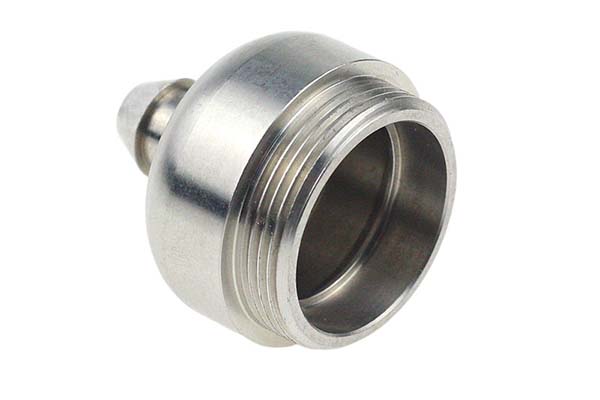
If you are involved in gear cutting, precision drilling, or machining hard materials, you need a tool steel that delivers reliable performance without breaking the bank. JIS SKH9 high speed steel offers exactly that.
What Makes JIS SKH9 a Balanced High Speed Steel?
The appeal of JIS SKH9 lies in its well-rounded composition. It is designed to deliver solid cutting performance for mid-range tasks without over-engineering, making it a cost-effective workhorse.
Chemical Composition
The elements in JIS SKH9 work together to enhance heat resistance, edge retention, and durability, tailored specifically for mid-to-high difficulty cutting.
| Element | Content Range (%) | Key Role |
|---|---|---|
| Carbon (C) | 0.75 – 0.85 | Forms hard carbides with tungsten and vanadium, boosting wear resistance. |
| Molybdenum (Mo) | 4.50 – 5.50 | A primary contributor to red hardness, allowing the tool to retain strength at 550+°C. |
| Tungsten (W) | 1.20 – 1.80 | Works with molybdenum to enhance red hardness and reduce brittleness. |
| Vanadium (V) | 1.00 – 1.40 | Forms hard vanadium carbides, improving edge retention for drills and reamers. |
| Chromium (Cr) | 3.80 – 4.50 | Supports carbide formation and adds basic corrosion resistance. |
| Cobalt (Co) | ≤ 0.50 | A trace element, much lower than in premium HSS, which keeps costs down. |
Mechanical Properties After Heat Treatment
The mechanical properties of JIS SKH9 are optimized for balanced performance, prioritizing hardness and red hardness without sacrificing too much toughness.
| Property | Typical Value | Why It Matters for Your Tools |
|---|---|---|
| Hardness (HRC) | 62 – 65 | This high hardness ensures good edge retention, keeping milling cutters and gear tools sharp through extended use. |
| Red Hardness | Retains 85% hardness at 550°C | It can handle cutting speeds up to 40 m/min for mild steel, making it suitable for mid-range machining tasks. |
| Tensile Strength | ≥ 2200 MPa | Handles moderate cutting forces, ideal for machining alloy steel and cast iron. |
| Yield Strength | ≥ 1900 MPa | Resists permanent deformation, keeping tools sharp and dimensionally accurate. |
| Impact Toughness | ≥ 15 J (at 20°C) | Its toughness is better than premium HSS, reducing chipping in applications with light shock or interrupted cuts. |
| Fatigue Strength | ~850 MPa (10⁷ cycles) | Resists failure from repeated cutting cycles, key for high-volume automotive part machining. |
Where Is JIS SKH9 High Speed Steel Used?
JIS SKH9’s balanced properties make it a versatile and cost-effective choice for mid-range cutting tasks across many industries.
Cutting Tools for General Machining
This is the most common application for SKH9. Its performance is a significant step up from standard carbon tool steels.
- Drills and Reamers: A Chinese machine shop was using standard carbon steel drills for cast iron parts. The drills were wearing out quickly. They switched to JIS SKH9 drills. The result was a 50% increase in tool life, drastically reducing downtime for tool changes.
- Turning Tools: A Korean auto parts supplier used JIS SKH9 turning tools to machine engine brackets. The tools offered a good balance of wear resistance and cost, reducing per-part tool costs by 20% compared to the more expensive SKH51 they had been using.
Milling and Gear Cutting
The combination of red hardness and toughness makes SKH9 well-suited for milling and gear cutting operations.
- End Mills for Slotting: For slotting mild steel, SKH9 end mills handle the heat generated at the cutting edge, maintaining sharpness.
- Gear Cutting Tools: A U.S. agricultural equipment manufacturer used JIS SKH9 gear cutters to produce gears for their machinery. The tools’ improved toughness over lower-grade steels meant tool changes dropped by 30%, as the cuters were less prone to chipping during the interrupted cuts of gear hobbing.
Automotive and Aerospace Component Machining
SKH9 is a popular choice for high-production environments where cost efficiency is as important as performance.
- Brake Rotor Machining: A Brazilian automotive manufacturer faced a problem: their low-alloy steel turning tools for brake rotors were wearing out every 200 parts. They switched to JIS SKH9 tools with a TiN coating. Tool life increased to 500 parts—a 150% improvement. The higher hardness also allowed them to increase machining speed by 40%, reducing production time and improving the surface finish of the rotors.
- Non-Critical Aerospace Parts: A European aerospace subcontractor used JIS SKH9 end mills to machine aluminum brackets and plastic composite molds. They achieved consistent part quality at a 30% lower tool cost than ceramic alternatives, proving SKH9 is a great fit for lower-stress aerospace applications.
How Is JIS SKH9 High Speed Steel Manufactured?
Turning JIS SKH9 into reliable cutting tools requires a precise manufacturing process, with heat treatment being the most critical step.
Steelmaking and Forming
The process begins with creating a clean, uniform material and shaping it into tool blanks.
- Melting and Casting: Raw materials are melted in an Electric Arc Furnace (EAF). The molten steel is poured into small ingots. Slow cooling is used to prevent carbide segregation, which can create weak spots in the final tool.
- Forging: Ingots are heated to 1100–1180°C and forged into tool blanks. This process refines the grain structure, which is essential for the tool’s strength and toughness.
Heat Treatment (The Key to Performance)
Heat treatment is critical to unlocking SKH9’s hardness and red hardness.
- Annealing: The steel is heated to 850–900°C and cooled slowly to soften it for initial machining.
- Preheating: The tool is preheated to 750–800°C to prevent thermal shock during the high-heat austenitizing step.
- Austenitizing: The tool is heated to 1180–1220°C. This high temperature dissolves carbides, preparing the steel for hardening.
- Quenching: The tool is rapidly cooled in oil, achieving a very high hardness of HRC 64–66.
- Double Tempering: The tool is heated to 540–560°C for two separate cycles. This reduces brittleness and sets the final, stable hardness of HRC 62–65, while also developing the alloy’s red hardness.
Machining and Coating
After heat treatment, the tool is finished and can be coated for enhanced performance.
- Grinding: Final dimensions and cutting edges are achieved through precision grinding. This is done after heat treatment, as the steel is now very hard.
- Surface Treatments: To boost performance, SKH9 tools are often coated. A TiN (Titanium Nitride) coating adds a hard, low-friction layer that can increase tool life by up to 40%.
JIS SKH9 vs. Other Cutting Materials
Choosing the right tool material involves balancing cost, performance, and the specific application. This comparison shows where SKH9 fits best.
| Material | Hardness (HRC) | Red Hardness (550°C) | Wear Resistance | Relative Cost | Best Application |
|---|---|---|---|---|---|
| JIS SKH9 HSS | 62 – 65 | Good | Very Good | 100% | Mid-speed machining, general cutting tools |
| JIS SKH51 HSS | 63 – 66 | Excellent | Excellent | 160% | High-speed machining of hard materials (e.g., aerospace) |
| Carbon Steel (1095) | 55 – 60 | Poor | Poor | 30% | Low-speed, soft material cutting (e.g., wood) |
| Carbide Tools | 85 – 90 (HRA) | Excellent | Very Good | 250% | Ultra-high-speed machining, very hard materials |
| Alloy Steel (4140) | 30 – 40 | Very Poor | Fair | 50% | Non-cutting tools like tool holders |
JIS SKH9 high speed steel provides an exceptional balance of performance and cost-effectiveness for a wide range of mid-to-high difficulty cutting tasks. Its molybdenum and tungsten content deliver good red hardness, allowing it to retain 85% of its strength at 550°C for cutting speeds up to 40 m/min. Its chemical composition, featuring vanadium and carbon, ensures very good wear resistance, while its heat treatment yields a final hardness of 62–65 HRC. Real-world case studies, such as an automotive brake rotor application, demonstrate its ability to increase tool life by 150% and improve machining efficiency. While it lacks the extreme red hardness of cobalt-rich HSS like SKH51, its lower cost, better toughness, and reliable performance make it the ideal, practical choice for general machining shops, automotive part manufacturers, and any application where balancing tool life with budget is a priority.
FAQ About JIS SKH9 High Speed Steel
Can JIS SKH9 be used for machining stainless steel (e.g., 304)?
Yes, it can, but with an important modification. The wear resistance of SKH9 handles the abrasiveness of stainless steel well. However, to prevent material from sticking to the cutting edge (built-up edge), we recommend using a TiAlN (Titanium Aluminum Nitride) coating instead of a standard TiN coating. This can extend tool life by 30–40% in stainless steel applications.
What is the main difference between JIS SKH9 and JIS SKH51?
The primary difference is cobalt content. SKH51 contains 4.5–5.5% cobalt, which significantly boosts its red hardness for cutting at 600+°C and at higher speeds. SKH9 contains ≤0.5% cobalt. As a result, SKH51 performs better in high-speed, hard material tasks, but SKH9 is typically 30–40% cheaper, making it the better value for mid-range applications.
Is JIS SKH9 suitable for making large cutting tools, like a 30 mm diameter end mill?
SKH9 has good hardenability, but it is best for sections up to about 25 mm. For larger tools, like a 30 mm end mill, a pre-heat treatment step is recommended. Holding the tool at 700–750°C for one hour before the final austenitizing cycle ensures even hardening throughout the larger cross-section, preventing soft spots that could reduce tool life.
How does the performance of JIS SKH9 compare to carbide tools?
Carbide tools are significantly harder and can run at much higher speeds, but they are also more brittle and cost about 2.5 times more. SKH9 offers a different value proposition: it is tougher and less prone to chipping, making it a better choice for applications with interrupted cuts or where tool breakage is a risk. For most general machining tasks, SKH9 provides a superior cost-performance balance.
How to write a spec that gets priced correctly
A drawing is a contract. If it leaves a number open, the shop fills that number in with its own default. The default is rarely the one you had in mind. Put these five lines on every RFQ and most of the back-and-forth disappears before it starts.
- Alloy designation and the standard behind it
- Temper or heat treatment condition
- Mechanical properties you actually need
- Mill certificate and traceability requirement
- Finish and the faces it applies to
The point is not paperwork. Each line removes a decision the shop would otherwise make for you. A complete RFQ comes back priced. An incomplete one comes back guessed.
What actually drives the price
Buyers usually push on material because it is the line they can see. In practice the material is rarely the biggest number on a quote. These five lines decide most of it:
- alloy grade and mill availability
- stock size versus finished size
- heat treatment and testing
- machinability
- certification
Ask for the quote split by line. A supplier who cannot break it down is guessing, and you will pay for the guess. The line you can usually renegotiate is the tolerance band, not the raw material.
Problems you will meet, and the fix
Every process has a failure mode it prefers. The same four show up again and again on this kind of work, and none of them are mysteries once you know what to look for.
- Substituting a similar grade without telling anyone
- Hardness that varies across a single bar
- Corrosion in a weld heat-affected zone
- Distortion after heat treatment on a thin part
Catch the fault on the first part, not the hundredth. A first-article check costs an hour. A bad batch costs the whole order. Write the check into the purchase order so nobody has to remember it.
What to check on the first article
The first article is the cheapest inspection you will ever buy. Use it properly and the rest of the run becomes boring, which is exactly what you want.
- Every dimension on the drawing, with the measured value written beside it.
- The material certificate, matched to the heat or lot number on the parts.
- The finish against the sample you approved, under the same light.
- Fit against the mating part, assembled rather than measured.
- Packaging, because parts that arrive damaged were never in tolerance.
Check in this order: datums, then mating features, then cosmetic faces. If the datums are wrong, every number after them is noise. Keep the report on file. When a problem shows up in month six, that document is the only thing that tells you what changed.
How to compare two quotes fairly
Two numbers are not comparable unless the scope matches. Line them up before you decide, because a low number with three gaps is not a low number.
Same drawing, same material, same finish, same inspection. Anything else is a different job wearing the same part number. Then look at what each quote leaves out. Freight, packaging, certificates and tooling are the usual gaps.
Ask each supplier to state their assumptions in writing. The one who does is usually the one who has run the process before.
Scaling from one part to a batch
The first part teaches you the process. The hundredth teaches you the process cost.
Watch three things as volume grows: setup amortisation, tool wear, and how much hand work the finish still needs. If the unit price barely moves between ten and a hundred, the cost sits in material or in hand work, not in setup. Ask which, because only one of them is negotiable.
Lead time behaves the same way. A one-off is scheduled around other jobs. A repeat order is scheduled around your forecast. Give the shop a forecast and the lead time gets shorter, not longer.
How to read a supplier's quote
A quote is a short document with a long shadow. Four things in it decide whether the job runs smoothly, and only one of them is the price.
- The scope line. It should name the process, the material and the finish, not just the part.
- The tolerance basis. General tolerance or the drawing, and which standard it follows.
- The exclusions. Tooling, freight, certificates and inspection are the usual omissions.
- The validity date. Material prices move, and an open-ended quote is a promise nobody can keep.
Read the exclusions before you read the total. A quote that leaves out tooling is not cheaper. It is a quote for a different job.
Our solution for JIS SKH9 High Speed Steel
YiguProto runs metal sourcing and machining in house, from a single prototype to a production batch. We quote the process, the material and the finish as separate lines, so you can see where the money goes instead of arguing with one number.
Send a STEP file or a drawing and you get a DFM report in one to two business days. It flags the features that add cost and the features that will not hold tolerance on the process you picked.
Every order ships with an inspection report on the features you call out. If a part misses, we make it again. Ready to price a part? Start with a free quote and DFM review, or read more about our metal sourcing and machining. You can also talk to an engineer before you commit to a drawing.
FAQ about JIS SKH9 High Speed Steel
Can JIS SKH9 High Speed Steel be made in small quantities?
Yes, and small quantities are where a good supplier earns the next order. Setup dominates the price at low volume, so the cheapest route is usually the one with the fewest operations, not the cheapest material.
What tolerance can you hold on JIS SKH9 High Speed Steel?
The working default is ±0.05 mm on machined features, ±0.1 mm on formed ones. Tighter than that the process changes and so does the price, because every step tighter adds inspection time. Call out only the faces that mate with something else and leave the rest on the general tolerance.
How do I compare two quotes fairly?
Match the scope first: same drawing, same material, same finish, same inspection. Then read the exclusions. Freight, tooling and certificates are the usual gaps, and a low number with three gaps is not a low number.
What happens if a part is out of specification?
We measure it against the same drawing you approved and, if it misses, we make it again. What matters is that the report exists, because a disagreement without data is just an opinion.
How long does a first article take?
Usually a few business days once the drawing is frozen, and longer if tooling is involved. The date we give you is the date we confirm in writing, not the date we hope for.
What should I check before approving the parts?
Datums first, then the features that mate, then the cosmetic faces. Ask for a dimensional report, a material certificate and a finish sample. A part can be inside every tolerance and still not fit, so assemble one before you sign.
The short version
JIS SKH9 High Speed Steel rewards the buyer who reads the data sheet and the drawing together. Pick the option for the property that matters, not for the price per kilo.
Tighten only what mates. Test a sample before the run. Then let the process do the rest.