
Metal Materials
Low Carbon Steel: Properties, Applications & Manufacturing for Everyday Engineering
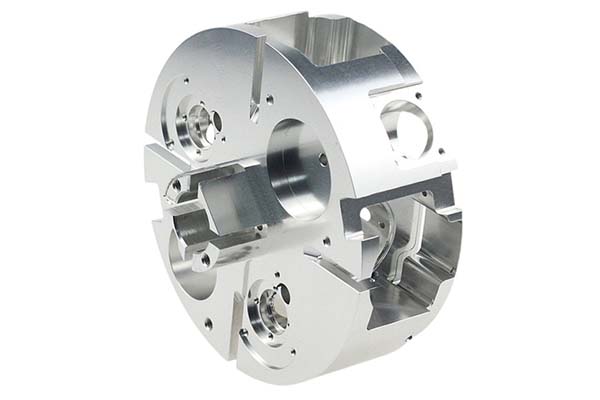
If you have ever driven a car, walked into a building, or used a home appliance, you have interacted with low carbon steel. Known for its affordability, flexibility, and ease of use, it is the most widely used steel globally—powering industries from construction to automotive. In this guide, I will walk you through its properties, applications, and how to work with it based on real manufacturing experience.
Key takeaways
- Low carbon steel achieves its properties through its simple, low-carbon chemistry.
- This material is specified for applications where cost-effectiveness and formability are more important than high strength or corrosion resistance.
- Low carbon steel is produced using straightforward, cost-effective processes.
- Understanding the trade-offs between low carbon steel and alternative materials helps in making an informed selection.
What Makes Low Carbon Steel the Most Widely Used Steel?
Low carbon steel achieves its properties through its simple, low-carbon chemistry. The low carbon content provides excellent weldability, formability, and machinability, while the absence of expensive alloying elements keeps costs low.
The Chemistry Behind the Performance
The chemical composition of low carbon steel is simple and controlled to maintain its characteristic properties.
| Element | Content Range (%) | Why It Matters |
|---|---|---|
| Carbon (C) | 0.05 – 0.25 | The defining feature. Low carbon provides ductility, weldability, and formability. |
| Manganese (Mn) | 0.30 – 0.80 | Improves strength slightly and helps remove impurities during manufacturing. |
| Silicon (Si) | 0.10 – 0.30 | Acts as a deoxidizer. Adds minor strength. |
| Phosphorus (P) | ≤ 0.04 | Minimized to avoid brittleness. |
| Sulfur (S) | ≤ 0.05 | Kept low to maintain toughness. |
| Trace Elements | ≤ 0.10 each | Copper and nickel from recycled steel provide minor benefits. |
Key Insight: The carbon content of low carbon steel (0.05–0.25%) is approximately one-quarter that of high-carbon steel. This low carbon content allows the steel to be welded without preheating and formed into complex shapes without cracking.
Mechanical Properties That Matter
Low carbon steel’s mechanical properties prioritize flexibility and toughness over hardness.
| Property | Typical Value | Significance |
|---|---|---|
| Tensile Strength | 300 – 500 MPa | Adequate for structural components, body panels, and pipes. |
| Yield Strength | 200 – 350 MPa | Bends easily without breaking. Good for forming operations. |
| Elongation | 20 – 35% | High ductility allows stretching and forming without cracking. |
| Hardness | 100 – 150 HB (10 – 20 HRC) | Soft enough to cut, drill, and machine with standard tools. |
| Impact Toughness | 60 – 100 J/cm² | Absorbs shocks well. Dents without cracking. |
| Weldability | Excellent | The best of all carbon steels. No preheating required. |
Case Study: A budget car manufacturer was using aluminum for body panels. Aluminum was light but expensive, and welding required special equipment. They switched to cold-rolled low carbon steel panels (1.2 mm thick), galvanized and painted. Material costs were reduced by 40%, welding time was cut by 30%, and production volume increased by 25%.
Where Does Low Carbon Steel Deliver the Most Value?
This material is specified for applications where cost-effectiveness and formability are more important than high strength or corrosion resistance.
Structural Components
Low carbon steel is the backbone of construction and infrastructure.
- Beams and columns: Support buildings, bridges, and warehouses. High toughness prevents collapse during minor impacts such as wind or small earthquakes.
- Rebar (reinforcing steel): Embedded in concrete to add tensile strength. Concrete is strong in compression but weak in tension.
- Structural tubes: Used in furniture frames and playground equipment. Lightweight and easy to cut.
Case Study: A city water department replaced cast iron water pipes with galvanized low carbon steel pipes. Pipe costs were reduced by 50%, lifespan extended to 40 years with galvanization, and installation time was cut by 40% because steel pipes are lighter and easier to handle.
Automotive Parts
Cars use low carbon steel for non-critical, formable parts.
- Body panels: Doors, hoods, and fenders. Easy to shape into curved designs and weld together.
- Non-load-bearing frames: Supports for interior components such as seats and dashboards. Lightweight and cheap to produce.
- Exhaust pipes: Basic entry-level car exhausts. Affordable, though stainless steel is used for higher-end models for better corrosion resistance.
Pipes and Tubes
Low carbon steel’s formability and weldability make it ideal for transporting fluids.
- Water pipes: Deliver clean water to homes. Often galvanized to prevent rust.
- Oil and gas pipes: Low-pressure systems. Cheaper than alloy steel pipes.
- Structural tubes: Used in furniture and playground equipment.
Sheet Metal and Appliances
Sheet metal made from low carbon steel is everywhere.
- Appliance casings: Refrigerators, washing machines, and ovens. Easy to stamp into shapes and paint for a smooth finish.
- Roofing sheets: Cover buildings. Lightweight and affordable, often coated with zinc (galvanized) to resist rain.
- Metal containers: Cans for food or paint. Thin, lightweight, and cheap to mass-produce.
Case Study: A home appliance brand needed to mass-produce washing machine casings. Stainless steel was too expensive, and high-carbon steel was too hard to stamp. They used cold-rolled low carbon steel sheets (0.8 mm thick), powder-coated for rust protection. Per-unit cost was reduced by 35%, stamping speed increased by 50%, and customer returns dropped by 10% because the powder coating prevented rust.
Fasteners and Wire Products
Low carbon steel’s ductility makes it ideal for small, versatile parts.
- Fasteners: Bolts, nuts, and screws. Easy to thread and tighten without breaking.
- Wire: Fencing wire, electrical wire (with insulation), and craft wire. Drawn into thin strands without cracking.
How Is Low Carbon Steel Manufactured?
Low carbon steel is produced using straightforward, cost-effective processes.
Steelmaking
Most low carbon steel is made in a basic oxygen furnace (BOF). Molten iron from blast furnaces is mixed with scrap steel, and oxygen is blown in to reduce carbon content to 0.05–0.25%. The molten steel is then cast into slabs (for sheets) or billets (for pipes and wire).
Hot Rolling
Slabs or billets are heated to 1,100–1,200°C and passed through rollers to reduce thickness. Hot-rolled low carbon steel has a rough surface and is used for structural parts such as beams and pipes.
Cold Rolling
Hot-rolled steel is cooled, then rolled again at room temperature to make it thinner and smoother. Cold-rolled steel has a smooth surface and tighter tolerances, making it ideal for sheet metal for appliances and car body panels.
Fabrication
Low carbon steel is designed for easy fabrication with standard equipment.
- Welding: Excellent weldability. No preheating required. MIG and TIG welding are common.
- Machining: Easy to turn, mill, and drill with standard high-speed steel tools.
- Stamping: Presses sheet metal into shapes for mass production.
- Forming: Can be bent, drawn, and shaped without cracking.
Surface Treatment
Most low carbon steel needs coating to prevent rust.
- Galvanizing: Dipping in molten zinc creates a rust-resistant layer that lasts 20–50 years outdoors.
- Painting: Applying paint or powder coating adds color and rust protection.
- Chrome plating: For decorative parts, adds shine and corrosion resistance.
How Does Low Carbon Steel Compare to Other Materials?
Understanding the trade-offs between low carbon steel and alternative materials helps in making an informed selection.
| Material | Tensile Strength (MPa) | Elongation | Relative Cost | Best For |
|---|---|---|---|---|
| Low Carbon Steel | 300 – 500 | 20 – 35% | 100% | Frames, panels, pipes, fasteners |
| Medium Carbon Steel | 800 – 1000 | 10 – 20% | 120% | Gears, shafts, structural components |
| High Carbon Steel | 1800 – 2800 | 5 – 10% | 150% | Cutting tools, springs |
| 304 Stainless Steel | 500 – 700 | 40 – 60% | 350% | Corrosion-resistant applications |
| 6061-T6 Aluminum | 310 | 12% | 200% | Lightweight applications |
Key Insights:
- Compared to medium and high-carbon steel, low carbon steel offers significantly better weldability and formability at lower cost. For applications where high strength is not required, low carbon steel is the better choice.
- Compared to stainless steel, low carbon steel is approximately one-third the cost and easier to weld, but requires coating for corrosion protection. For indoor and coated outdoor applications, low carbon steel offers better value.
- Compared to aluminum, low carbon steel offers higher strength at lower cost, though aluminum is lighter. For structural applications where weight is not the primary constraint, low carbon steel is more cost-effective.
How to write a spec that gets priced correctly
A drawing is a contract. If it leaves a number open, the shop fills that number in with its own default. The default is rarely the one you had in mind. Put these five lines on every RFQ and most of the back-and-forth disappears before it starts.
- Alloy designation and the standard behind it
- Temper or heat treatment condition
- Mechanical properties you actually need
- Mill certificate and traceability requirement
- Finish and the faces it applies to
The point is not paperwork. Each line removes a decision the shop would otherwise make for you. A complete RFQ comes back priced. An incomplete one comes back guessed.
What actually drives the price
Buyers usually push on material because it is the line they can see. In practice the material is rarely the biggest number on a quote. These five lines decide most of it:
- alloy grade and mill availability
- stock size versus finished size
- heat treatment and testing
- machinability
- certification
Ask for the quote split by line. A supplier who cannot break it down is guessing, and you will pay for the guess. The line you can usually renegotiate is the tolerance band, not the raw material.
Problems you will meet, and the fix
Every process has a failure mode it prefers. The same four show up again and again on this kind of work, and none of them are mysteries once you know what to look for.
- Substituting a similar grade without telling anyone
- Hardness that varies across a single bar
- Corrosion in a weld heat-affected zone
- Distortion after heat treatment on a thin part
Catch the fault on the first part, not the hundredth. A first-article check costs an hour. A bad batch costs the whole order. Write the check into the purchase order so nobody has to remember it.
What to check on the first article
The first article is the cheapest inspection you will ever buy. Use it properly and the rest of the run becomes boring, which is exactly what you want.
- Every dimension on the drawing, with the measured value written beside it.
- The material certificate, matched to the heat or lot number on the parts.
- The finish against the sample you approved, under the same light.
- Fit against the mating part, assembled rather than measured.
- Packaging, because parts that arrive damaged were never in tolerance.
Check in this order: datums, then mating features, then cosmetic faces. If the datums are wrong, every number after them is noise. Keep the report on file. When a problem shows up in month six, that document is the only thing that tells you what changed.
How to compare two quotes fairly
Two numbers are not comparable unless the scope matches. Line them up before you decide, because a low number with three gaps is not a low number.
Same drawing, same material, same finish, same inspection. Anything else is a different job wearing the same part number. Then look at what each quote leaves out. Freight, packaging, certificates and tooling are the usual gaps.
Ask each supplier to state their assumptions in writing. The one who does is usually the one who has run the process before.
Scaling from one part to a batch
The first part teaches you the process. The hundredth teaches you the process cost.
Watch three things as volume grows: setup amortisation, tool wear, and how much hand work the finish still needs. If the unit price barely moves between ten and a hundred, the cost sits in material or in hand work, not in setup. Ask which, because only one of them is negotiable.
Lead time behaves the same way. A one-off is scheduled around other jobs. A repeat order is scheduled around your forecast. Give the shop a forecast and the lead time gets shorter, not longer.
How to read a supplier's quote
A quote is a short document with a long shadow. Four things in it decide whether the job runs smoothly, and only one of them is the price.
- The scope line. It should name the process, the material and the finish, not just the part.
- The tolerance basis. General tolerance or the drawing, and which standard it follows.
- The exclusions. Tooling, freight, certificates and inspection are the usual omissions.
- The validity date. Material prices move, and an open-ended quote is a promise nobody can keep.
Read the exclusions before you read the total. A quote that leaves out tooling is not cheaper. It is a quote for a different job.
What About Corrosion Protection?
Low carbon steel has poor natural corrosion resistance and will rust in damp or humid environments. For outdoor applications, surface treatment is required:
- Galvanizing: Hot-dip galvanizing provides corrosion protection for water pipes, roofing, and outdoor structures.
- Painting: Epoxy or polyurethane paints protect against moisture and improve appearance.
- Powder coating: A durable finish for appliances and automotive parts.
Low carbon steel is the most widely used steel in the world for good reason. Its low carbon content provides excellent weldability, formability, and machinability at a cost that fits tight budgets. For automotive body panels, building frames, water pipes, appliance casings, and countless other everyday products, low carbon steel delivers reliable performance at an affordable price. When you need a material that is easy to work with and cost-effective for non-critical applications, low carbon steel is a proven, versatile choice.
FAQ About Low Carbon Steel
Does low carbon steel rust?
Yes. Low carbon steel has poor natural corrosion resistance and will rust in damp or humid environments. To prevent rust, use galvanized (zinc-coated) steel for outdoor parts, or apply paint or powder coating for indoor parts such as appliance casings. For highly corrosive areas such as marine environments, stainless steel is recommended.
Can low carbon steel be heat treated to make it harder?
It can, but the effect is limited. Low carbon content (≤ 0.25%) means it will not harden as much as high-carbon steel. Heat treatment (quenching and tempering) may raise hardness to 20–25 HRC from 10–20 HRC, but it will still be much softer than high-carbon steel. For hard parts such as cutting tools, use high-carbon or tool steel instead.
What is the difference between hot-rolled and cold-rolled low carbon steel?
Hot-rolled steel is heated and rolled, with a rough surface (Ra 1.6–6.3 μm) and looser tolerances (±0.1 mm). It is cheaper and used for structural parts such as beams and pipes. Cold-rolled steel is rolled at room temperature, with a smooth surface (Ra 0.4–1.6 μm) and tight tolerances (±0.01 mm). It is more expensive but ideal for sheet metal such as appliance casings and parts requiring a clean finish.
Is low carbon steel easy to weld?
Yes. Low carbon steel has excellent weldability—the best of all carbon steels. It can be welded with standard processes such as MIG, TIG, and arc welding without preheating. This makes it ideal for automotive assembly, construction, and general fabrication.
Our solution for Low Carbon Steel: Properties, Applications
YiguProto runs metal sourcing and machining in house, from a single prototype to a production batch. We quote the process, the material and the finish as separate lines, so you can see where the money goes instead of arguing with one number.
Send a STEP file or a drawing and you get a DFM report in one to two business days. It flags the features that add cost and the features that will not hold tolerance on the process you picked.
Every order ships with an inspection report on the features you call out. If a part misses, we make it again. Ready to price a part? Start with a free quote and DFM review, or read more about our metal sourcing and machining. You can also talk to an engineer before you commit to a drawing.
FAQ about Low Carbon Steel: Properties, Applications
How much does Low Carbon Steel: Properties, Applications cost?
Price comes from five lines: material, machine or tool time, setup, finishing and inspection. The material itself is usually the smallest of them. Send a drawing and we will split the quote so you can see which line is doing the damage.
Does the process work for prototypes as well as production?
Yes, and that is usually the point. Running the prototype on the production process removes a whole class of surprises, because the part you test is made the same way as the part you sell.
What is the lead time for Low Carbon Steel: Properties, Applications?
Expect 5 to 12 business days depending on mill stock. Tooling, material stock and the finishing queue all move that number, so we confirm the date in writing before the run starts rather than after.
How do I compare two quotes fairly?
Match the scope first: same drawing, same material, same finish, same inspection. Then read the exclusions. Freight, tooling and certificates are the usual gaps, and a low number with three gaps is not a low number.
What material should I specify?
Specify by standard, not by trade name. A trade name can change under you between two orders; a standard number cannot. Then add the one property that actually decides the part, whether that is strength, heat resistance or chemical exposure.
What files do you need in order to quote?
A STEP file plus a PDF drawing that carries the same revision letter. The model carries the geometry and the drawing carries the intent. When the two disagree, the shop picks one, and it is never the one you meant.
The short version
Low Carbon Steel: Properties, Applications rewards the buyer who reads the data sheet and the drawing together. Pick the option for the property that matters, not for the price per kilo.
Tighten only what mates. Test a sample before the run. Then let the process do the rest.