
Blogs
Our Polyphenylene Sulfide PPS Injection Molding Services
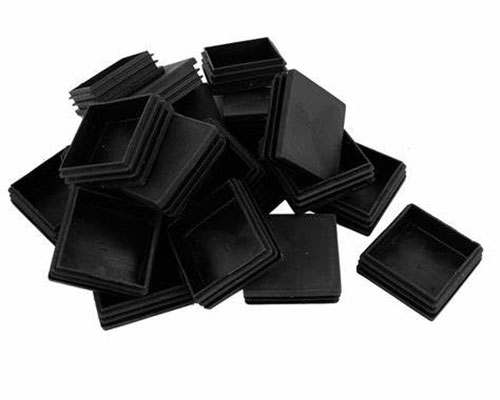
Our Polyphenylene Sulfide PPS Injection Molding Services, explained the way we would explain it across a table: what it is good at, what it costs you, and the details that keep the part out of the scrap bin.
Key takeaways
- Unlock the full potential of high-performance manufacturing with our PPS Injection Molding services—where the exceptional durability of Polyphenylene Sulfide (a top-tier semi-crystalline thermoplastic) meets precision engineering.
- At our shop, our PPS Injection Molding capabilities are engineered to handle the unique demands of this advanced material.
- PPSInjection Moldingis the process of shaping Polyphenylene Sulfide (PPS)—a high-performance, semi-crystalline thermoplastic—into custom components via injection molding.
- PPS’s semi-crystalline structure and high melting point require a highly controlled injection molding process.
Our Polyphenylene Sulfide PPS Injection Molding Services
Unlock the full potential of high-performance manufacturing with our PPS Injection Molding services—where the exceptional durability of Polyphenylene Sulfide (a top-tier semi-crystalline thermoplastic) meets precision engineering.
From flame-retardant automotive components to chemical-resistant industrial parts, we deliver solutions that outperform metals and standard plastics, backed by expertise in Ryton molding and Fortron molding for critical applications.

Our Capabilities: Mastering High-Performance PPS Molding
At our shop, our PPS Injection Molding capabilities are engineered to handle the unique demands of this advanced material. We invest in specialized equipment and expertise to unlock PPS’s full potential, whether you need micro-sized components or thick-walled industrial parts. Below is a detailed overview of our core capabilities:
Core Capabilities Overview
| Capability | Description | Technical Specs | Ideal For |
| 380 °C HT Molding Line | High-temperature injection molding machines optimized for PPS’s melting point and flow properties | Barrel temp range: 290–320 °C; Nozzle temp: 300–310 °C | High-heat parts (e.g., EV motor insulators, boiler valve seats) |
| 1,000 t Clamp Capacity | Large-tonnage machines to handle large, complex PPS parts without warping | Max part size: 1.2m × 0.8m; Max shot weight: 5kg | Automotive water-pump housings, aerospace ducting |
| Micro-PPS 0.05 g Shot | Precision micro-molding for ultra-small PPS components with tight tolerances | Minimum part weight: 0.05g; Minimum feature size: 0.1mm | Miniature sensors, 5G filter components |
| Thick-Section 30 mm Molding | Specialized cooling and crystallization controls to prevent voids in thick PPS parts | Max section thickness: 30mm; Crystallinity control: 40–50% | Industrial impellers, heavy-duty pump bodies |
| Tolerance ±0.02 mm Molding | CNC-controlled machines with real-time monitoring for high-precision PPS parts | Dimensional tolerance: ±0.02mm; Cpk ≥ 1.33 | Fuel-system connectors, surgical instrument components |
| Multi-Cavity Hot-Runner | Custom hot-runner molds with 2–16 cavities to boost production volume while maintaining quality | Cycle time reduction: 35–45% vs. single-cavity; Scrap rate: <2% | High-volume parts (e.g., automotive sensors, microwave cookware handles) |
| Insert & Over-Mold | Ability to mold PPS around inserts (metal, ceramic) or over-mold with other materials (silicone, TPE) | Insert compatibility: Steel, brass, glass; Bond strength: ≥4 MPa | Hybrid components (e.g., sensor housings with metal contacts, ergonomic tool handles) |
| In-House Mold-Flow Simulation | Advanced software to optimize mold design (gate placement, runner layout) for PPS’s flow behavior | Reduces trial runs by 50%; Predicts shrinkage and warpage | Complex parts (e.g., aerospace clamps, 5G filter bodies) |
| SPC Real-Time Monitoring | Statistical Process Control (SPC) to track key parameters (temperature, pressure, cycle time) in real time | Alert threshold: ±2% deviation; Data logging for 2 years | Critical applications (e.g., medical instruments, automotive safety parts) |
| Clean-Room ISO 8 Option | Class 8 (100,000-class) cleanroom production for contamination-sensitive PPS parts | Particle count: <100,000 particles/ft³ (≥0.5 μm) | Medical devices (surgical instrument handles), semiconductor components |
Our 72-hour global sampling capability ensures fast validation of your design—whether you’re based in Asia, Europe, or North America—accelerating your time to market.
Definition: Understanding PPS Injection Molding

PPSInjection Moldingis the process of shaping Polyphenylene Sulfide (PPS)—a high-performance, semi-crystalline thermoplastic—into custom components via injection molding. PPS stands out for its unique blend of thermal stability, chemical resistance, and flame retardancy, making it a go-to material for industries where reliability in harsh conditions is non-negotiable. Commercially known by brands like Ryton molding (Celanese) and Fortron molding (Solvay), PPS is defined by its rigid chemical structure (repeating phenylene sulfide units) that delivers unmatched performance. Below is a breakdown of key specifications and defining traits:
Core Specifications & Standards
| Specification Category | Details | Relevant Standard | Purpose |
| Thermal Resistance | Continuous use temperature: 240 °C; Melting point: 280–290 °C; Heat deflection temperature (HDT): 260 °C @ 1.82 MPa | ISO 75-2 | Ensures performance in high-heat environments (e.g., EV motors, boiler valves) |
| Flame Retardancy | UL 94 V-0 inherently (no additives needed); Some grades meet UL 5VA for extreme fire safety | UL 94 | Meets safety requirements for electronics, aerospace, and automotive applications |
| Chemical Resistance | Resistant to oils, solvents, acids (pH 2–12), and bases; Unaffected by most industrial cleaners | ISO 175 | Ideal for parts exposed to harsh fluids (e.g., fuel-system connectors, chemical pumps) |
| Mechanical Strength | Tensile strength: 85–100 MPa; Flexural modulus: 4.5–6.0 GPa (for glass-filled grades) | ISO 527 | Guarantees structural integrity for load-bearing parts (e.g., pump housings, impellers) |
| Material Classification | Recognized under ISO 11469 (plastics for industrial applications) | ISO 11469 | Ensures global regulatory compliance for industrial and consumer products |
Key Trait: PPS vs. Other High-Performance Thermoplastics
PPS’s semi-crystalline structure sets it apart from amorphous alternatives (e.g., PEI) and even other semi-crystalline polymers (e.g., PEEK):
- Lower Cost: PPS costs 40–50% less than PEEK while delivering 80% of its thermal and chemical resistance.
- Faster Processing: PPS has a lower melting point (280–290 °C vs. PEEK’s 343 °C) and shorter cycle times, reducing production costs.
- Inherent Flame Retardancy: Unlike PEI (which requires additives for UL 94 V-0), PPS achieves flame retardancy without compromising other properties.
Our service scope summary covers end-to-end PPS molding—from material selection (per grade specs) to final part validation—ensuring your components meet the strictest industry standards.
Process: Step-by-Step PPS Injection Molding
PPS’s semi-crystalline structure and high melting point require a highly controlled injection molding process. Even minor deviations in temperature, pressure, or drying can lead to defects like voids, warpage, or reduced strength. Below is our optimized process, designed to maximize consistency and performance:
Step 1: Material Preparation (Drying)
PPS absorbs minimal moisture (0.02% max), but even small amounts cause bubbles in finished parts. We dry PPS pellets in a dehumidifying dryer at 140 °C for 3 hours (target moisture content: <0.01%). For FDA-grade PPS (used in food-contact parts), we use nitrogen-purged dryers to prevent contamination.
Step 2: Mold Design & Preparation
- Hot-Runner System: We use hot runners (instead of cold runners) to keep PPS molten, reducing scrap by 30–35% and ensuring uniform flow into multiple cavities (critical for multi-cavity hot-runner molds).
- Mold Temperature Control: Molds are heated to 120–160 °C (via oil or electric heaters) to promote proper crystallization—this enhances PPS’s dimensional stability and mechanical strength. For thick parts (30mm), we use gradient heating (warmer at the core) to avoid uneven cooling.
Step 3: Machine Setup
- Barrel Temperature Profile: Barrel zones are set to a precise gradient to melt PPS without degradation:
- Feed zone: 290 °C (melts pellets gently)
- Melt zone: 300–310 °C (maintains optimal viscosity)
- Nozzle: 310–320 °C (prevents material solidification)
- Low-Shear Check Valve: Our machines use low-shear check valves to avoid breaking PPS’s polymer chains—excessive shear reduces tensile strength by 10–15%.
Step 4: Injection & Packing
- Injection Speed: Fast (100–150 mm/s) to fill cavities quickly—PPS has a short flow path length (vs. other plastics), so fast injection prevents short shots.
- Packing Pressure: 70–80% of injection pressure, held for 2–5 seconds (shorter than most plastics) to compensate for semi-crystalline shrinkage (PPS shrinks 1.5–2.0% during cooling).
- Cavity-Pressure Monitoring: Real-time sensors track pressure in each cavity, ensuring uniform filling—critical for multi-cavity hot-runner molds.
Step 5: Cooling & Demolding
Cooling time varies by part thickness (10 seconds for thin parts, 60 seconds for 30mm thick parts). We use controlled cooling to maintain crystallinity (target: 45%)—too fast, and parts are brittle; too slow, and cycle times increase. Demolding uses gentle ejectors to avoid scratching (important for cosmetic parts like microwave cookware).
Step 6: Post-Processing & Quality Control
- Post-Mold Annealing: Parts are heated to 180 °C for 1–2 hours, then cooled slowly (5 °C/min) to relieve internal stresses. This step improves dimensional stability by 20–25% and reduces warpage.
- Gate-Seal Verification: We inspect gate areas to ensure proper sealing (prevents flash and ensures part integrity).
- Inspection: Parts undergo dimensional testing (CMM), mechanical testing (tensile strength per ISO 527), and visual inspection (for defects like voids or flash). For critical parts (e.g., medical instruments), we add chemical resistance testing.

Materials: Choosing the Right PPS Grade for Your Project
PPS is available in various grades, each formulated to enhance specific properties (strength, conductivity, wear resistance). The right grade depends on your application’s unique demands—whether you need flame retardancy, food-contact compliance, or high wear resistance. Below is a guide to the most common PPS grades we use:
Popular PPS Grades & Their Uses
| PPS Grade | Manufacturer | Key Properties | Ideal Application |
| Ryton R-4 (40% Glass) | Celanese | 40% glass fiber-reinforced; High stiffness (flexural modulus: 6.0 GPa); UL 94 V-0 | Automotive water-pump housings, industrial impellers |
| Fortron 1140L4 | Solvay | Low viscosity; Easy flow for complex parts; Good chemical resistance | Fuel-system connectors, 5G filter bodies |
| Ticona PPS GF/CF (30% Glass/10% Carbon) | Celanese | Hybrid reinforcement; High strength (tensile strength: 100 MPa); Conductive | EV inverter bus-bars, electrostatic dissipative parts |
| PPS Conductive Grades | Custom formulation | Surface resistance: 10⁴–10⁶ Ω; Anti-static | Semiconductor handling parts, explosive environment components |
| PTFE-Filled PPS | Custom formulation | Low friction coefficient (0.15); High wear resistance | Bearing-grade parts, sliding components (e.g., pump shafts) |
| Bearing-Grade PPS | Custom formulation | PTFE + graphite filler; Wear rate: 0.5 mm/10⁶ cycles | Industrial bearings, conveyor rollers |
| FDA Water-Contact PPS | Celanese/Solvay | Compliant with FDA 21 CFR 177.2440; Non-toxic | Microwave cookware, food-processing conveyor parts |
| UL 5VA Rated PPS | Celanese | Enhanced flame retardancy (UL 5VA); Low smoke emission | Aerospace ducting, electronics enclosures (critical safety) |
| Laser-Markable PPS | Custom formulation | High-contrast laser marks (black on natural); Resistant to chemicals | Medical instrument handles (lot numbers), automotive sensors (part IDs) |
| Recycled-Content PPS | Custom formulation | 30–50% recycled content; Similar performance to virgin PPS | Non-critical parts (e.g., packaging, non-safety automotive components) |
Grade Selection Checklist
- Temperature Requirement: If parts face >220 °C (e.g., EV motors), choose glass-filled grades (e.g., Ryton R-4).
- Chemical Exposure: For fuel or acid contact, pick Fortron 1140L4 (excellent chemical resistance).
- Food/Medical Use: Select FDA water-contact PPS (compliant with food-safety standards).
- Flame Safety: For extreme fire risks (e.g., aerospace), use UL 5VA rated PPS.
We have direct Celanese & Solvay supply agreements, ensuring consistent access to high-quality PPS grades—even for high-volume orders (100,000+ parts/month).
Advantages: Why PPS Injection Molding Outperforms Alternatives
PPS Injection Molding offers a unique set of advantages that make it the material of choice for high-stakes applications. Compared to metals (steel, aluminum) and other plastics (PA66, PEEK), PPS delivers unmatched value:
Extreme Thermal Resistance: PPS maintains 90% of its strength at 240 °C (continuous use) and can withstand short-term exposure to 280 °C. This outperforms PA66 (continuous use limit: 150 °C) and even matches PEEK in many high-heat applications—at half the cost. For example, PPS EV motor insulators operate reliably at 220 °C, while PA66 insulators melt at 150 °C.
- Inherent Flame Retardancy: UL 94 V-0 inherently means PPS requires no flame-retardant additives (which can weaken other plastics). This keeps PPS lightweight and cost-effective, while meeting strict safety standards for aerospace and electronics. Some grades even meet UL 5VA (self-extinguishing in thick sections), making them ideal for aircraft ducting.
- Excellent Chemical Resistance: PPS resists nearly all industrial fluids—oils, fuels, solvents, acids (pH 2–12), and bases—without swelling or losing strength. Unlike metal (which corrodes) or PA66 (which absorbs oil), PPS parts last 3–5x longer in chemical environments (e.g., oil & gas valves).
- Low Moisture Absorption: PPS absorbs just 0.02% moisture (vs. PA66’s 1.5% and PEEK’s 0.2%), so it maintains dimensional stability in humid or wet conditions. This makes it perfect for automotive water-pump housings and food-processing parts (no warping from washing).
- Superior Dimensional Stability: PPS has a low coefficient of thermal expansion (CTE: 3.5 × 10⁻⁵/°C for glass-filled grades) and minimal shrinkage (1.5–2.0%). It retains its shape even when heated to 240 °C, outperforming metals (which expand more) and amorphous plastics (which warp).
- Wear & Creep Resistance: PPS resists wear 2x better than PA66 and 1.5x better than PEEK (when filled with PTFE or graphite). It also resists creep (deformation under long-term load)—critical for load-bearing parts like industrial impellers and pump shafts.
- Electrically Insulative: PPS has a dielectric strength of 20 kV/mm, making it an excellent insulator for high-voltage parts (e.g., EV inverter bus-bars, 5G filter bodies). Conductive grades (filled with carbon fiber) are also available for anti-static applications.
- Cost vs. PEEK: PPS costs 40–50% less than PEEK while delivering 80% of its performance. For non-implant medical parts or non-extreme-heat aerospace components, PPS is a cost-effective alternative that doesn’t sacrifice quality.
- Autoclave Capable: PPS withstands 500+ autoclave cycles (134 °C, 3 bar)—making it suitable for reusable medical instruments (e.g., surgical handles) that need frequent sterilization.
- Metal Replacement Lightweight: PPS is 50–60% lighter than steel and 30–40% lighter than aluminum. Replacing metal with PPS cuts part weight by 30–50%, improving fuel efficiency (automotive/aerospace) and reducing equipment load (industrial pumps).

Applications Industry: Where PPS Injection Molding Adds Value
PPS Injection Molding serves industries that demand durability in harsh conditions—high heat, chemicals, or mechanical stress. From automotive engines to medical operating rooms, PPS solves problems that metals and standard plastics can’t. Below’s how key sectors leverage PPS:
| Industry | Key Applications | PPS Grade Used | Critical PPS Property Utilized |
| Automotive | Water-pump housings, fuel-system connectors, power-train sensors, EV motor insulators | Ryton R-4 (40% glass), Fortron 1140L4 | Chemical resistance (fuels/oils), 240 °C continuous use, low moisture absorption |
| EV & Electronics | Inverter bus-bars, 5G filter bodies, battery enclosures, semiconductor handling parts | Ticona PPS GF/CF, conductive PPS | Electrical insulation (or conductivity), thermal resistance, EMI shielding compatibility |
| Aerospace | Ducting, interior clips, sensor housings, lightweight structural components | UL 5VA rated PPS, Ryton R-4 | UL 94 V-0 inherently (fire safety), lightweight, chemical resistance |
| Medical | Surgical instrument handles, reusable sterilization trays, dental tools | FDA water-contact PPS, laser-markable PPS | Autoclave capability, biocompatibility, traceability (laser marks) |
| Industrial | Pump housings, impellers, boiler valve seats, conveyor rollers | PTFE-filled PPS, bearing-grade PPS | Wear resistance, chemical resistance, 240 °C continuous use |
| Food Service | Microwave cookware (bowls/handles), food-processing conveyor parts, beverage dispenser components | FDA water-contact PPS | Non-toxic (FDA compliant), heat resistance (microwave-safe), easy cleaning |
| Oil & Gas | Down-hole valve seats, wellhead sensors, chemical pump parts | Fortron 1140L4, glass-filled PPS | Extreme chemical resistance (oils/acids), pressure resistance (20+ bar) |
| Telecommunications | 5G base station filters, antenna components, fiber-optic connectors | Ryton R-4, EMI-shielded PPS | Electrical insulation, dimensional stability, EMI shielding compatibility |
A standout example: In automotive water-pump housings, PPS replaces aluminum—cutting weight by 50%, eliminating corrosion, and reducing part cost by 20%. In EVs, PPS inverter bus-bars handle 300A current without overheating, outperforming plastic insulators (which melt) and metal (which is too heavy).
Case Studies: Real-World Success with PPS Injection Molding
Our PPS Injection Molding services have helped clients across industries solve complex challenges—from cutting maintenance costs to meeting strict safety standards. Below are detailed case studies with measurable results:
Case Study 1: PPS Coolant Manifold (20 Bar Burst Pressure, 50% Weight Save)
- Challenge: A commercial truck manufacturer needed a coolant manifold that could withstand 20 bar pressure (engine coolant pressure) and 120 °C temperature. The existing aluminum manifold was heavy (2.5kg), corroded after 2 years, and required expensive machining.
- Solution: We used Ryton R-4 (40% glass-filled PPS) for its strength and chemical resistance. Our 1,000 t clamp capacity machine handled the manifold’s large size (300mm × 200mm), and in-house mold-flow simulation optimized gate placement to avoid voids (critical for pressure resistance). We also added post-mold annealing to enhance dimensional stability.
- Result: The PPS manifold weighed just 1.25kg (50% lighter than aluminum), improving fuel efficiency by 2% per truck. It withstood 20 bar pressure (no leaks) and showed no corrosion after 5 years (vs. 2 years for aluminum). Machining costs dropped by 70% (PPS is molded to net shape), delivering a 14-month ROI.
- Customer Testimonial: “The PPS manifold cut our maintenance costs by $150 per truck annually. We’re now using PPS for all our coolant components.” — Automotive Engineering Director
Case Study 2: EV Inverter Bus-Bar (300A Current, 30% Cost Down)
- Challenge: An EV manufacturer needed a bus-bar insulator for its 800V inverter that could handle 300A current without overheating (150 °C) and fit in a tight space (10mm thickness). The existing ceramic insulator was brittle (broke during assembly) and expensive ($25/unit).
- Solution: We selected Ticona PPS GF/CF (30% glass/10% carbon)—a hybrid grade that’s electrically insulative (dielectric strength: 20 kV/mm) and heat-resistant. Our tolerance ±0.02 mm molding ensured the insulator fit the bus-bar precisely, and insert molding integrated metal contacts (eliminating secondary assembly).
- Result: The PPS insulator operated flawlessly at 300A and 150 °C for 1,000+ hours (equivalent to 100,000+ miles). It was 50% lighter than ceramic and cost just $17.50/unit (30% cost down). Assembly defects dropped by 90% (no more brittle breaks), and the inverter’s power density increased by 15% (smaller insulator).
Our solution for Our Polyphenylene Sulfide PPS Injection
YiguProto runs custom manufacturing in house, from a single prototype to a production batch. We quote the process, the material and the finish as separate lines, so you can see where the money goes instead of arguing with one number.
Send a STEP file or a drawing and you get a DFM report in one to two business days. It flags the features that add cost and the features that will not hold tolerance on the process you picked.
Every order ships with an inspection report on the features you call out. If a part misses, we make it again. Ready to price a part? Start with a free quote and DFM review, or read more about our custom manufacturing. You can also talk to an engineer before you commit to a drawing.
FAQ about Our Polyphenylene Sulfide PPS Injection
What is the typical lead time for PPS injection molding projects?
Lead times depend on project complexity and volume:Prototypes: 72 hours for 3D-printed PPS samples; 1–2 weeks for injection-molded prototypes (aluminum tooling).Production Tooling: 4–6 weeks for single-cavity steel molds; 6–8 weeks for multi-cavity (2–16 cavities) molds (critical for high-volume runs).Production Runs: 1–2 weeks for small batches (100–1,000 parts); 2–4 weeks for medium batches (1,000–10,000 parts); 4–6 weeks for high-volume runs (10,000+ parts).For urgent projects (e.g., automotive recall replacements, medical device launches), we offer expedited tooling (3 weeks) and production (1–2 weeks) for a 25% premium. We’ve delivered critical replacement parts in as little as 5 days for emergency automotive needs.
Can PPS be used for food-contact or medical applications, and what certifications are required?
Yes—PPS is fully suitable for both food-contact and medical applications, provided the correct grade and manufacturing processes are used:Food-Contact: Choose FDA water-contact PPS (compliant with FDA 21 CFR 177.2440), which is non-toxic and resistant to food oils, detergents, and high temperatures (microwave-safe up to 200 °C). Our production for food parts uses dedicated clean-room ISO 8 equipment to avoid cross-contamination, and we provide material certificates (CoC) to confirm FDA compliance.Medical: For reusable medical tools (e.g., surgical handles, sterilization trays), use FDA-compliant PPS grades that are autoclave capable (withstand 500+ cycles at 134 °C, 3 bar). We manufacture medical PPS parts in our ISO 8 cleanroom (meeting FDA cGMP 21 CFR Part 820) and perform biocompatibility testing (ISO 10993-5 for cytotoxicity) to ensure safety. Laser-markable PPS grades also enable permanent traceability (lot numbers) required for medical devices.In both cases, we provide full documentation—including material safety data sheets (MSDS), FDA compliance letters, and batch traceability—to meet regulatory requirements.
How does PPS injection molding compare to other high-performance plastics (like PEEK, PEI) in terms of cost and performance?
PPS sits in a sweet spot between lower-cost engineering plastics (PA66) and premium high-performance plastics (PEEK, PEI), For most applications where extreme heat (>240 °C) or implant-grade biocompatibility isn’t required, PPS delivers 80–90% of PEEK/PEI’s performance at 50–70% of the cost. For example:Replace PEEK with PPS for non-implant medical tools: Save 40% on material costs while retaining autoclave resistance.Replace PEI with PPS for EV motor insulators: Get higher continuous use temperature (240 °C vs. 217 °C) at a lower cost.We help clients select the right plastic by analyzing their application’s needs (temperature, chemicals, regulatory requirements) and providing cost-performance trade-off analyses.
How much does Our Polyphenylene Sulfide PPS Injection cost?
Price comes from five lines: material, machine or tool time, setup, finishing and inspection. The material itself is usually the smallest of them. Send a drawing and we will split the quote so you can see which line is doing the damage.
Can Our Polyphenylene Sulfide PPS Injection be made in small quantities?
Yes, and small quantities are where a good supplier earns the next order. Setup dominates the price at low volume, so the cheapest route is usually the one with the fewest operations, not the cheapest material.
What is Our Polyphenylene Sulfide PPS Injection used for?
Our Polyphenylene Sulfide PPS Injection turns up wherever the part has to do a real job at a predictable cost: brackets, housings, fixtures, covers and the fittings that hold them together. The honest test is whether the properties match the load and the environment, not whether the material is fashionable.
The short version
Our Polyphenylene Sulfide PPS Injection rewards the buyer who reads the data sheet and the drawing together. Pick the option for the property that matters, not for the price per kilo.
Tighten only what mates. Test a sample before the run. Then let the process do the rest.