
Rapid Prototyping
Why Is the Metal Drone Prototype Model Process Critical for Drone Development?
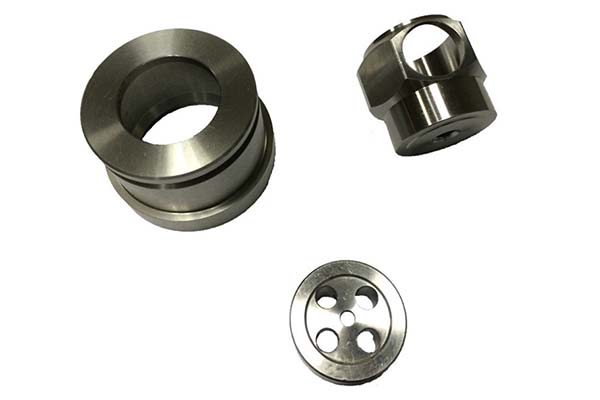
If you are a procurement specialist or product engineer working on drone development, understanding the metal drone prototype model process is key to ensuring design success and functional reliability. Metal prototypes bridge the gap between 3D designs and real-world performance—they let you test durability, aerodynamics, and load capacity before committing to full-scale production.
Key takeaways
- The first and most critical step in the metal drone prototype process is picking a material that matches your prototype’s goals—whether that is minimizing weight, maximizing strength, or controlling costs.
- Before any metal is cut, you need a precise design that accounts for both function and manufacturability. This phase has two core steps.
- CNC machines are the backbone of metal drone prototype manufacturing. This phase ensures the machine works accurately and safely.
- This is where your design becomes a physical part. The type of CNC machine you use depends on your prototype’s complexity.
How Do You Choose the Right Metal for Your Drone Prototype?
The first and most critical step in the metal drone prototype process is picking a material that matches your prototype’s goals—whether that is minimizing weight, maximizing strength, or controlling costs. Three metals dominate this space, each with unique advantages for specific drone types.
Common Metals for Drone Prototypes
| Metal Type | Key Properties | Common Grades | Ideal Drone Components | Real-World Example | Cost Range (USD/lb) |
|---|---|---|---|---|---|
| Aluminum Alloy | Low density (2.7 g/cm³), high strength-to-weight ratio, easy to machine | 6061, 7075 | Frames, wings, body casings, motor mounts | A consumer drone maker used 6061 aluminum for a prototype frame—cut weight by 30% compared to steel while maintaining strength | $2–$5 |
| Titanium Alloy | Ultra-high strength-to-weight ratio, heat-resistant, corrosion-proof | Ti-6Al-4V | High-performance parts like rotor hubs, engine mounts, critical fasteners | A military drone prototype used Ti-6Al-4V for its rotor hub—withstood 500°F (260°C) during high-speed testing without deformation | $30–$50 |
| Stainless Steel | Corrosion-resistant, high load capacity, durable | 304, 316 | Load-bearing parts like landing gear, structural brackets, outdoor components | An industrial inspection drone used 316 stainless steel for landing gear—no rust after 6 months of continuous outdoor use in rain and humidity | $3–$8 |
Material Selection Tips for Different Drone Types
For consumer drones and initial design checks, 6061 aluminum offers the best balance of cost, weight, and machinability. It is easy to machine, widely available, and provides sufficient strength for most applications. A startup developing a delivery drone saved $1,200 per prototype by choosing 6061 aluminum over titanium for their frame, and the material performed perfectly in all initial flight tests.
For high-performance or military drones, titanium alloy is worth the investment when components face extreme heat or stress. A defense contractor testing a high-speed reconnaissance drone found that aluminum rotor hubs softened at 180°C during sustained high-speed flight. Switching to titanium eliminated the problem, though material costs increased by 10x.
For outdoor industrial drones that operate in rain, humidity, or marine environments, stainless steel is essential for parts that must not corrode. An agricultural drone company learned this when their aluminum landing gear showed pitting after just 3 months of exposure to crop chemicals. Switching to 316 stainless steel for the next prototype eliminated corrosion issues entirely.
Tip for procurement teams: If your prototype is for initial design verification and will not face extreme conditions, 6061 aluminum is the smart choice. It machines quickly, costs little, and lets you iterate faster. Save expensive materials for later stages when you need to validate performance limits.
What Goes Into the Design Phase for Metal Drone Prototypes?
Before any metal is cut, you need a precise design that accounts for both function and manufacturability. This phase has two core steps.
Creating Detailed 3D Models
Use professional CAD software to create a detailed 3D model of your drone. The goal is to replicate every feature—from screw hole locations to curved aerodynamic surfaces—so the prototype accurately represents your final product vision.
Common tools:
- SolidWorks: Most popular for small teams and medium-complexity designs
- UG NX: Preferred for complex aerospace designs with advanced surfacing needs
- Catia: Used by major drone manufacturers like DJI for large assemblies and complex geometries
Example: A startup developing a delivery drone used SolidWorks to design their prototype. They added 0.1 mm tolerances to the propeller mounts—a small detail that prevented vibration issues during later flight tests. Without that precision, the propellers would have wobbled at high RPM.
What your 3D model must include:
- Exact dimensions for every feature
- Tolerances for critical mating surfaces
- Hole sizes and locations with specified fits
- Thread specifications for any tapped holes
- Wall thicknesses throughout the part
- Clear identification of aerodynamic surfaces
Performing Design Analysis Before Machining
Never skip simulation! Use engineering analysis software to test your design for stress, deformation, or dynamic issues before committing to metal. This saves time, material, and money.
Key analyses for drone prototypes:
- Stress testing: Will the frame hold the required payload without bending or cracking? A delivery drone frame should support 5 kg with a safety factor of 2x.
- Aerodynamic simulation: Will the body design create unnecessary drag? Simulation can predict drag coefficients and suggest shape improvements.
- Thermal analysis: Will the battery compartment overheat during operation? Electronic components have maximum operating temperatures that must be respected.
- Vibration analysis: Will the structure resonate at motor frequencies? Resonant vibrations can loosen fasteners and damage components.
Case study: An agricultural drone team used ANSYS simulation software to analyze their prototype’s body. The analysis revealed a weak spot in the tail section that would have cracked under normal flight loads. Redesigning the tail in CAD before machining avoided a $2,000 mistake and 2 weeks of delay.
How Do You Prepare for CNC Machining?
CNC machines are the backbone of metal drone prototype manufacturing. This phase ensures the machine works accurately and safely.
CAM Programming: Converting Designs to Machine Code
Convert your 3D model into code that CNC machines understand using CAM (Computer-Aided Manufacturing) software. The software generates tool paths—exact routes the machine’s cutting tools will follow to shape the metal.
Top CAM tools:
- Mastercam: Excellent for 3-axis machining and complex tool path optimization
- SolidCam: Integrates directly with SolidWorks for seamless design-to-manufacturing workflow
Why precision programming matters: A well-optimized tool path reduces machining time and material waste. A team machining a titanium rotor hub used Mastercam to optimize their cutting strategy—reducing cycle time from 8 hours to 5 hours, a 37% improvement that saved thousands across multiple prototypes.
Testing the Program Before Cutting Metal
Never run a new program on a CNC machine without testing it first! Use simulation software to check for:
- Tool collisions: Will the cutting tool hit the machine, fixture, or part?
- Overcutting: Will the tool remove too much material in any area?
- Unreachable features: Can the tool access all required surfaces?
- Inefficient paths: Are there wasted movements that increase cycle time?
Industry-standard tool: VERICUT simulates CNC machining with high accuracy, showing exactly what will happen before any metal is cut.
Real result: A drone parts manufacturer ran a new program through VERICUT and caught a tool collision that would have destroyed their $500,000 5-axis CNC machine. The simulation revealed that a tool holder would hit the part at a specific angle—fixing the program took 30 minutes and saved a catastrophic crash.
What Happens During the Machining Stage?
This is where your design becomes a physical part. The type of CNC machine you use depends on your prototype’s complexity.
CNC Machine Selection
| Machine Type | Best For | Typical Accuracy | Advantages |
|---|---|---|---|
| 3-axis | Simple parts like flat landing gear brackets, basic frame pieces, mounting plates | ±0.05 mm | Cost-effective, fast setup, good for 2.5D contours |
| 5-axis | Complex parts like curved wing edges, beveled body panels, parts with undercuts | ±0.01 mm | Machines complex shapes in one setup, best surface finish, can reach difficult angles |
Precision stat: 5-axis machines can achieve tolerances as tight as ±0.001 mm for critical features. This level of precision is essential for parts like propeller shafts and motor mounts, where even small errors cause vibration that affects flight performance and battery life.
Real-Time Measurement and Monitoring
During machining, use precision measuring tools to check parts in real time. This ensures every component meets your design specs before you invest more time in finishing.
Common inspection tools:
- Coordinate Measuring Machine (CMM): Scans parts to verify size and shape against CAD model. Provides detailed reports on every dimension.
- Calipers and micrometers: For quick checks of small features like hole diameters and thicknesses.
- Surface roughness testers: Verify that aerodynamic surfaces are smooth enough.
Example: A drone prototype team used a CMM to inspect 10 aluminum frame parts immediately after machining. They found that 2 parts had holes 0.05 mm too small—a deviation that would have made assembly impossible. Reworking those parts immediately prevented assembly delays later.
What Post-Processing Steps Perfect Metal Drone Parts?
Machined parts need finishing touches to perform well in flight.
Essential Surface Treatments
| Process | Purpose | Best For |
|---|---|---|
| Deburring | Remove sharp edges that could cut wires or damage components | All parts, especially internal structures |
| Sandblasting | Create uniform matte finish, reduce wind resistance | External surfaces, aerodynamic components |
| Anodizing | Add protective oxide layer, increase corrosion resistance, add color | Aluminum parts exposed to weather |
| Passivation | Remove free iron from stainless steel, enhance corrosion resistance | Stainless steel parts for outdoor use |
Case study: A marine drone prototype used anodized 7075 aluminum for its body. After 10 test flights in saltwater spray, there was no visible corrosion—the anodized layer protected the metal perfectly. An uncoated aluminum part would have shown pitting within days.
Assembly and Testing
Put all parts together, then run tests to ensure the prototype works as intended.
Key tests for drone prototypes:
- Flight tests: Check stability, speed, battery life, and handling. A delivery drone prototype should fly 5 km with a 3 kg load while maintaining stable control.
- Stability tests: Verify performance in wind or rain. An agricultural drone should handle 20 mph winds without tipping or losing position accuracy.
- Functional validation: Ensure cameras, sensors, and payload systems work correctly. A survey drone’s camera should capture clear images from 100 m altitude.
- Vibration testing: Confirm that no resonant frequencies cause problems during normal operation.
Example: During flight testing of a new industrial drone prototype, the team noticed unexpected vibration at certain throttle settings. Analysis traced the issue to a slightly unbalanced propeller mount. Correcting the balance eliminated the vibration and improved battery life by 12%.
How Does Quality Control Ensure Reliable Prototypes?
Quality control runs through every stage of the metal drone prototype process. It is how you avoid costly rework and ensure the prototype accurately represents your final product.
Multi-Stage Inspection Checkpoints
| Stage | What to Check | Tools to Use |
|---|---|---|
| Raw material | Metal grade, density, surface defects | Material certificates, visual inspection |
| After roughing | Critical dimensions, stock remaining | Calipers, CMM |
| After finishing | All dimensions, surface finish | CMM, surface roughness tester |
| After surface treatment | Coating thickness, adhesion, coverage | Thickness gauges, adhesion tests |
| Final assembly | Fit, alignment, moving parts | Functional testing, feeler gauges |
Statistic: Teams with 3 or more QC checkpoints reduce prototype defects by 40%, according to aerospace manufacturing data. Each checkpoint catches issues early when they are cheap to fix.
ISO Certification and Standards
Following international standards ensures consistent quality and builds trust with clients and partners.
- ISO 9001: Quality management standard that ensures consistent processes and traceability
- ISO 13485: For medical drones or components used in healthcare applications
- AS9100: Aerospace industry standard for flight-critical components
Why certification matters: Procurement teams at large companies—like Amazon for delivery drones or defense contractors—often require ISO certification from prototype suppliers. It proves you have systems in place to deliver consistent quality.
How to write a spec that gets priced correctly
A drawing is a contract. If it leaves a number open, the shop fills that number in with its own default. The default is rarely the one you had in mind. Put these five lines on every RFQ and most of the back-and-forth disappears before it starts.
- A model you are willing to freeze for the build
- The question the prototype must answer
- Process and material that can answer it
- Tolerance on the features under test
- How many iterations you have budgeted
The point is not paperwork. Each line removes a decision the shop would otherwise make for you. A complete RFQ comes back priced. An incomplete one comes back guessed.
What Real Problems Does Metal Drone Prototyping Solve?
Here are three cases showing how proper metal prototyping prevented major issues.
Case 1: The Frame That Flexed Too Much
A delivery drone company designed a new frame to carry heavier payloads. Their first aluminum prototype revealed unexpected flex during flight testing—the frame bent 3 mm under full load, affecting stability and camera pointing accuracy. Analysis showed the cross-section was too thin. They increased thickness by 20% in critical areas, machined a new prototype, and verified flex dropped to 0.8 mm. Fixing this before production saved a recall that would have affected 2,000 drones.
Case 2: The Motor Mount That Overheated
A high-speed racing drone prototype used aluminum motor mounts. During testing, motor temperatures reached 180°C—above the aluminum’s optimal operating range, causing the mounts to soften and shift. The team switched to titanium motor mounts for the next prototype, which handled the heat without issues. The material upgrade added $40 to the prototype cost but prevented motor failures that would have crashed drones.
Case 3: The Landing Gear That Corroded
A marine survey drone prototype used standard steel landing gear. After just 2 weeks of testing in saltwater environments, visible rust appeared. The team switched to 316 stainless steel for the next prototype, and after 3 months of continuous exposure, there was no corrosion. The material change added 15% to part cost but eliminated a warranty issue that would have affected every unit sold for coastal use.
The metal drone prototype model process transforms digital designs into flying machines you can test, validate, and refine. Starting with careful material selection—aluminum for lightweight strength, titanium for extreme conditions, stainless steel for corrosion resistance—and progressing through precise design, advanced machining, thorough finishing, and rigorous testing, each step builds confidence that your final product will perform as intended. Real cases show that companies investing time in proper metal prototyping avoid expensive field failures, accelerate development, and create drones that meet demanding real-world requirements.
Our solution for Metal Drone Prototype Model
YiguProto runs rapid prototyping in house, from a single prototype to a production batch. We quote the process, the material and the finish as separate lines, so you can see where the money goes instead of arguing with one number.
Send a STEP file or a drawing and you get a DFM report in one to two business days. It flags the features that add cost and the features that will not hold tolerance on the process you picked.
Every order ships with an inspection report on the features you call out. If a part misses, we make it again. Ready to price a part? Start with a free quote and DFM review, or read more about our rapid prototyping. You can also talk to an engineer before you commit to a drawing.
FAQ about Metal Drone Prototype Model
What files do you need in order to quote?
A STEP file plus a PDF drawing that carries the same revision letter. The model carries the geometry and the drawing carries the intent. When the two disagree, the shop picks one, and it is never the one you meant.
Does the process work for prototypes as well as production?
Yes, and that is usually the point. Running the prototype on the production process removes a whole class of surprises, because the part you test is made the same way as the part you sell.
Is there a minimum order quantity?
No hard minimum. One part is fine. What changes with volume is which costs dominate, so a single unit is priced mostly on setup and a thousand units are priced mostly on cycle time and material.
How much does Metal Drone Prototype Model cost?
Price comes from five lines: material, machine or tool time, setup, finishing and inspection. The material itself is usually the smallest of them. Send a drawing and we will split the quote so you can see which line is doing the damage.
How do I compare two quotes fairly?
Match the scope first: same drawing, same material, same finish, same inspection. Then read the exclusions. Freight, tooling and certificates are the usual gaps, and a low number with three gaps is not a low number.
What happens if a part is out of specification?
We measure it against the same drawing you approved and, if it misses, we make it again. What matters is that the report exists, because a disagreement without data is just an opinion.
The short version
Metal Drone Prototype Model rewards the buyer who reads the data sheet and the drawing together. Pick the option for the property that matters, not for the price per kilo.
Tighten only what mates. Test a sample before the run. Then let the process do the rest.