
Sheet Metal
What Is Sheet Metal Fabrication? A Guide for Manufacturers and Buyers
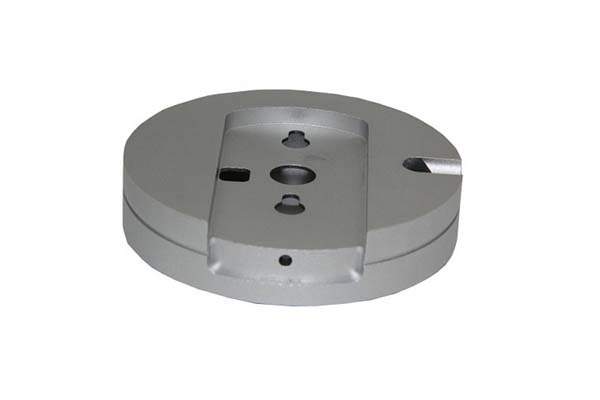
If you design products, work in manufacturing, or buy parts for your company, you need to understand sheet metal fabrication. This process turns flat metal sheets into the durable components we use every day—from computer cases to car frames. The choices you make matter. Select the right material and your parts last for years. Choose the wrong method and costs spiral out of control.
What Is Sheet Metal Fabrication?
The Basic Definition
Sheet metal fabrication is a set of manufacturing techniques that shape flat metal sheets into finished parts or assemblies. Typical sheet thickness ranges from 0.15mm to 10mm.
This process differs from other methods. Casting melts metal and pours it into molds. 3D printing builds parts layer by layer. Fabrication starts with pre-flattened metal and transforms it through cutting, forming, and joining.
Why Fabrication Matters
Three reasons explain why sheet metal fabrication dominates so many industries.
Speed is a major advantage. Simple parts go from design to finished product in one to two days. Compare this to casting, which takes one to two weeks for tooling alone.
Scalability works for any volume. Need one prototype? Fabrication handles it. Need 100,000 production parts? Fabrication handles that too. CNC machines repeat processes with zero variation, so every part matches.
Cost-effectiveness shines at high volumes. Making 1,000 steel brackets through fabrication costs about 50% less than 3D printing them. The savings add up quickly.
The Three Core Steps
Every sheet metal fabrication project follows the same basic sequence:
Cutting shapes the flat sheet into the basic outline of your part.
Forming bends the cut piece into its final 3D shape.
Assembly joins multiple parts together into a complete product.
Understanding these steps helps you design parts that fabricate easily and perform well.
How Does Cutting Work in Sheet Metal Fabrication?
Laser Cutting: Precision and Speed
Laser cutting uses a high-powered laser beam to melt or vaporize metal. The laser moves precisely, following CNC-programmed paths. There is no physical contact with the material.
Ideal materials: Aluminum, stainless steel, copper
Key specifications: Tolerance of ±0.1mm is standard. Maximum thickness reaches 15mm for aluminum and 6mm for steel.
Real example: A tech company needed 500 thin aluminum enclosures for electronics. They chose laser cutting. The clean edges at ±0.1mm tolerance fit circuit boards perfectly. The process finished within their two-week deadline.
Waterjet Cutting: No Heat Damage
Waterjet cutting uses a high-pressure stream of water mixed with abrasive particles. The water slices through metal without generating heat. This matters for materials that warp or change properties when hot.
Ideal materials: All metals including thick steel, plus wood and foam
Key specifications: Tolerance ranges from 0.05mm to 0.1mm. No heat-affected zone means material properties remain unchanged.
Plasma Cutting: Power for Thick Materials
Plasma cutting blasts super-heated ionized gas through the metal. It cuts conductive materials quickly, especially thick sections.
Ideal materials: Steel, aluminum, copper
Key specifications: Maximum thickness reaches 300mm for steel. The process is very fast for thick materials.
Shearing: Simple Straight Cuts
Shearing works like a giant paper cutter for metal. A sharp blade descends to cut straight lines. It is simple and low-cost for high-volume straight cuts.
Ideal materials: Thin steel and aluminum sheets
Best for: Simple shapes where straight cuts only are needed
| Cutting Method | How It Works | Best Materials | Key Specs |
|---|---|---|---|
| Laser Cutting | High-powered laser melts/vaporizes metal | Aluminum, stainless, copper | ±0.1mm, up to 15mm thick |
| Waterjet Cutting | High-pressure water + abrasives | All metals, wood, foam | 0.05–0.1mm, no heat damage |
| Plasma Cutting | Ionized gas melts conductive metal | Steel, aluminum, copper | Up to 300mm thick, very fast |
| Shearing | Blade cuts straight lines | Thin steel, aluminum | Low cost, high volume |
How Does Forming Create 3D Shapes?
Press Braking: The Most Common Method
Press braking uses hydraulic force to bend metal at precise angles. A flat sheet clamps onto the machine bed. A punch presses down, forcing the metal into a die below. The punch depth controls the final angle.
Common angles include 90 degrees for brackets and 45 degrees for frames. CNC controls ensure every bend matches exactly.
Case study: A furniture maker bends 1mm cold-rolled steel into chair frames. The CNC press brake ensures every leg has the exact same bend. Chairs do not wobble. Assembly goes quickly.
Rolling: Creating Curves
Rolling passes metal through a series of rollers that gradually curve it into cylindrical shapes. HVAC ducts use this method. So do cylindrical tanks and curved architectural elements.
Stamping: Adding Patterns
Stamping uses dies to press patterns, holes, or features into metal. Decorative grilles for appliances often use stamping. So do parts needing repeated features across large areas.
Deep Drawing: Forming Hollow Shapes
Deep drawing stretches metal into hollow, cup-like shapes. Aluminum cans start as flat sheets and draw into cylinders. Fuel tanks and sinks also use deep drawing.
How Does Assembly Join Parts Together?
Welding: Strong Permanent Joins
Welding uses heat to melt and fuse metal parts together. MIG welding works well for steel. TIG welding handles aluminum and stainless. The result is a strong, permanent connection.
Best for: Heavy-duty parts like car chassis and machinery frames
Riveting: Mechanical Fastening
Riveting uses metal fasteners to clamp parts together. No heat is involved. This matters for aerospace parts where heat would weaken the metal.
Best for: Aerospace components, aluminum structures
Brazing: Lower Heat Alternative
Brazing uses a low-temperature metal alloy to join parts. The base metals do not melt. Only the filler metal flows into the joint. Heat stays lower than welding.
Best for: Delicate parts like electronics components
Adhesives: Industrial Bonding
Industrial adhesives bond parts that cannot be welded or riveted. Aluminum to plastic assemblies use adhesives. So do lightweight medical devices.
Best for: Lightweight assemblies, dissimilar materials
Example: A marine equipment manufacturer assembles stainless steel SUS 304 boat railings by welding. SUS 304’s corrosion resistance paired with strong welds ensures railings withstand saltwater for years.
What Materials Work Best for Sheet Metal Fabrication?
Aluminum and Aluminum Alloys
Aluminum is lightweight, corrosion-resistant, and easy to form. It is one of the most popular fabrication materials.
| Grade | Key Properties | Strength | Best Applications |
|---|---|---|---|
| 1050/1100 | Pure aluminum, soft, easy to bend | 70–110 MPa | Decorative parts, signs, panels |
| 5052 | Medium strength, excellent corrosion resistance | 230–270 MPa | Marine parts, fuel tanks, electronics |
| 5083 | High strength, good machinability | 310–350 MPa | Offshore construction, ship hulls |
| 6082 | Lightweight, great weldability | 140–330 MPa | Containers, bicycle frames |
Selection tip: For parts needing both strength and corrosion resistance like outdoor furniture, choose 5052. For lightweight weldable parts like bike frames, choose 6082.
Steel: Strong and Affordable
Steel offers strength and affordability. It works for heavy-duty or high-volume parts.
| Grade | Key Properties | Coating | Best Applications |
|---|---|---|---|
| Q235 | Low carbon, easy weld/cut | None | Structural parts, simple frames |
| Q345 | Higher strength, good impact resistance | None | Construction machinery, chassis |
| SECC | Cold-rolled with zinc coating | Electrolytic zinc | Electronics enclosures, computer cases |
| SPCC | Smooth surface, easy stamping | None | Appliance panels, furniture |
| SGCC | Thick zinc coating | Hot-dipped zinc | Outdoor structures, fence, HVAC ducts |
Stainless Steel: Rust Resistant
Stainless steel resists rust and staining. It is perfect for parts exposed to moisture or chemicals.
| Grade | Key Properties | Best Applications |
|---|---|---|
| SUS 301 | High strength, good ductility | Aerospace parts, springs |
| SUS 304 | Most common, excellent corrosion resistance | Food equipment, medical tools |
| SUS 303 | Easy to machine | Threaded parts, bolts, valves |
| SUS 316L | Superior corrosion resistance | Surgical instruments, marine hardware |
Copper and Copper Alloys: Highly Conductive
Copper conducts electricity and heat extremely well. It works for electrical and decorative parts.
| Grade | Key Properties | Best Applications |
|---|---|---|
| H62 Copper | 62% copper, good machinability | Electrical connectors, plumbing |
| Zinc Cupronickel | Corrosion resistant | Boat propellers, heat exchangers |
| Extra-Cupronickel | Excellent seawater resistance | Marine pipes, desalination |
What Post-Processing Finishes Improve Parts?
Anodizing for Aluminum
Anodizing creates a protective oxide layer on aluminum. It adds color—black, silver, gold—while boosting corrosion resistance. The finish bonds directly to the metal and never peels.
Best for: Electronics enclosures, outdoor aluminum parts
Powder Coating for Durability
Powder coating sprays dry powder onto metal, then bakes it into a hard finish. Over 1,000 colors are available. The finish resists scratches and impacts.
Best for: Furniture, appliances, parts needing color and durability
Painting for Economy
Painting uses liquid paint for a smooth finish. It costs less than powder coating but wears faster. Indoor parts benefit most.
Best for: Office furniture, indoor equipment
Electroplating for Shine
Electroplating coats metal with a thin layer of another metal—chrome, nickel, or zinc. This prevents rust or adds decorative shine.
Best for: Decorative parts like faucet handles
Deburring for Safety
Deburring removes sharp edges and burrs from cut parts. This is critical for safety on hand tools and for smooth fit on assembled components.
Real example: A company making outdoor grills uses powder coating on SGCC steel frames. The finish resists rain and UV rays. Grills do not fade or rust for over five years.
What Are the Key Advantages of Sheet Metal Fabrication?
Durability
Fabricated parts use solid metal. They last longer than plastic or 3D-printed alternatives. A sheet metal bracket handles ten times more weight than a 3D-printed plastic one.
Scalability
Fabrication scales from one prototype to 100,000 parts. CNC machines repeat processes with zero variation. Every part matches the first one exactly.
Cost-Effectiveness
For high volumes, fabrication beats 3D printing easily. Making 1,000 steel brackets costs about 50% less through fabrication. The savings matter for production budgets.
Material Versatility
You can choose aluminum for lightweight parts, steel for strength, stainless for corrosion resistance, or copper for conductivity. Each material is tailored to your needs.
Quick Turnaround
Simple parts go from design to finished product in one to two days. This is much faster than casting, which takes one to two weeks for tooling alone.
How to write a spec that gets priced correctly
A drawing is a contract. If it leaves a number open, the shop fills that number in with its own default. The default is rarely the one you had in mind. Put these five lines on every RFQ and most of the back-and-forth disappears before it starts.
- Flat pattern or STEP file plus a dimensioned drawing
- Material grade and thickness with the standard number
- Bend radii, K-factor and the direction of the grain
- Finish, masking and which faces stay bare
- Quantity and the assembly sequence
The point is not paperwork. Each line removes a decision the shop would otherwise make for you. A complete RFQ comes back priced. An incomplete one comes back guessed.
What actually drives the price
Buyers usually push on material because it is the line they can see. In practice the material is rarely the biggest number on a quote. These five lines decide most of it:
- blank size and nesting efficiency
- number of bends and weld joints
- material grade and thickness
- finish and masking
- batch quantity
Ask for the quote split by line. A supplier who cannot break it down is guessing, and you will pay for the guess. The line you can usually renegotiate is the tolerance band, not the raw material.
Problems you will meet, and the fix
Every process has a failure mode it prefers. The same four show up again and again on this kind of work, and none of them are mysteries once you know what to look for.
- Stretching at a bend that is tighter than the material allows
- Hole distortion when a hole sits too close to a bend line
- Weld draw on a visible face
- Springback that pulls a formed angle out of tolerance
Catch the fault on the first part, not the hundredth. A first-article check costs an hour. A bad batch costs the whole order. Write the check into the purchase order so nobody has to remember it.
What to check on the first article
The first article is the cheapest inspection you will ever buy. Use it properly and the rest of the run becomes boring, which is exactly what you want.
- Every dimension on the drawing, with the measured value written beside it.
- The material certificate, matched to the heat or lot number on the parts.
- The finish against the sample you approved, under the same light.
- Fit against the mating part, assembled rather than measured.
- Packaging, because parts that arrive damaged were never in tolerance.
Check in this order: datums, then mating features, then cosmetic faces. If the datums are wrong, every number after them is noise. Keep the report on file. When a problem shows up in month six, that document is the only thing that tells you what changed.
How to compare two quotes fairly
Two numbers are not comparable unless the scope matches. Line them up before you decide, because a low number with three gaps is not a low number.
Same drawing, same material, same finish, same inspection. Anything else is a different job wearing the same part number. Then look at what each quote leaves out. Freight, packaging, certificates and tooling are the usual gaps.
Ask each supplier to state their assumptions in writing. The one who does is usually the one who has run the process before.
What Industries Rely on Sheet Metal Fabrication?
| Industry | Common Fabricated Parts |
|---|---|
| Electronics | Enclosures, circuit board brackets, heat sinks |
| Automotive | Chassis parts, door panels, engine brackets |
| Medical | Surgical trays, MRI frames, wheelchair parts |
| Construction | HVAC ducts, roof panels, structural brackets |
| Aerospace | Lightweight aluminum components, fasteners |
| Furniture | Chair frames, table legs, cabinet hardware |
Sheet metal fabrication transforms flat sheets into durable, functional parts through cutting, forming, and assembly. The process serves nearly every industry because it balances precision with affordability.
Material selection drives success. Aluminum offers light weight and corrosion resistance. Steel provides strength at low cost. Stainless steel resists rust in demanding environments. Copper conducts electricity for electronic components.
Cutting methods range from laser precision to plasma power. Forming creates angles, curves, and hollow shapes. Assembly joins parts through welding, riveting, or adhesives. Finishing protects surfaces and adds color.
Understanding these elements helps you design better parts, choose appropriate materials, and work effectively with fabrication partners. Whether you need one prototype or 100,000 production parts, sheet metal fabrication delivers reliable results.
Our solution for Sheet Metal Fabrication
YiguProto runs sheet metal fabrication in house, from a single prototype to a production batch. We quote the process, the material and the finish as separate lines, so you can see where the money goes instead of arguing with one number.
Send a STEP file or a drawing and you get a DFM report in one to two business days. It flags the features that add cost and the features that will not hold tolerance on the process you picked.
Every order ships with an inspection report on the features you call out. If a part misses, we make it again. Ready to price a part? Start with a free quote and DFM review, or read more about our sheet metal fabrication. You can also talk to an engineer before you commit to a drawing.
FAQ about Sheet Metal Fabrication
Can Sheet Metal Fabrication be made in small quantities?
Yes, and small quantities are where a good supplier earns the next order. Setup dominates the price at low volume, so the cheapest route is usually the one with the fewest operations, not the cheapest material.
How long does a first article take?
Usually a few business days once the drawing is frozen, and longer if tooling is involved. The date we give you is the date we confirm in writing, not the date we hope for.
Does the process work for prototypes as well as production?
Yes, and that is usually the point. Running the prototype on the production process removes a whole class of surprises, because the part you test is made the same way as the part you sell.
What should I check before approving the parts?
Datums first, then the features that mate, then the cosmetic faces. Ask for a dimensional report, a material certificate and a finish sample. A part can be inside every tolerance and still not fit, so assemble one before you sign.
How do I compare two quotes fairly?
Match the scope first: same drawing, same material, same finish, same inspection. Then read the exclusions. Freight, tooling and certificates are the usual gaps, and a low number with three gaps is not a low number.
What files do you need in order to quote?
A STEP file plus a PDF drawing that carries the same revision letter. The model carries the geometry and the drawing carries the intent. When the two disagree, the shop picks one, and it is never the one you meant.
The short version
Sheet Metal Fabrication rewards the buyer who reads the data sheet and the drawing together. Pick the option for the property that matters, not for the price per kilo.
Tighten only what mates. Test a sample before the run. Then let the process do the rest.