
Blogs
Sheet metal processing services for prototype Custom
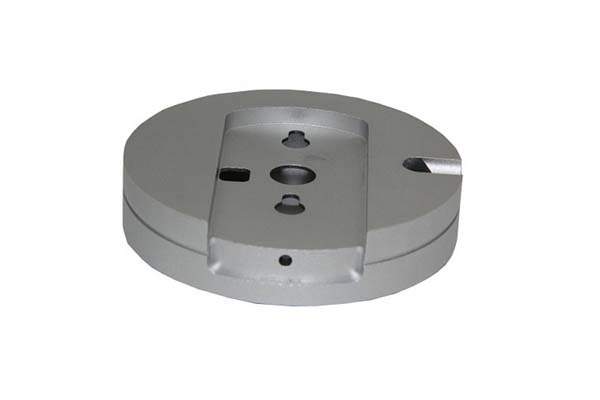
Sheet metal processing services for prototype Custom, explained the way we would explain it across a table: what it is good at, what it costs you, and the details that keep the part out of the scrap bin.
Key takeaways
- our shop provides sheet metal prototype to small to medium batch production suppliers, with ISO 9001:2015 certified factories, offering a diverse range of sheet metal processing services to meet the needs of various projects, from simple bent sheet metal prototypes to complex mechanical assemblies.
- Sheet metal prototype customization is a professional service that focuses on customizing prototypes for sheet metal parts.
- The products displayed below have been approved by the customer, and we strictly abide by the confidentiality agreement to protect the customer’s confidentiality and creativity.
- our shop provides an economical and efficient option for manufacturing metal components.We can easily shape metals into various shapes, sizes, and thicknesses, and also provideMultiple customization options, including different surface treatment methods such as anodizing and powder coating.
Sheet metal processing services for prototype Custom
our shop provides sheet metal prototype to small to medium batch production suppliers, with ISO 9001:2015 certified factories, offering a diverse range of sheet metal processing services to meet the needs of various projects, from simple bent sheet metal prototypes to complex mechanical assemblies. You can obtain standard parts in the shortest 3 days.
What is sheet metal prototype?
Sheet metal prototype customization is a professional service that focuses on customizing prototypes for sheet metal parts. Through advanced sheet metal processing technologies such as laser cutting, stamping, bending, Shearing etc., samples that meet design requirements can be quickly and accurately manufactured. This service is commonly used to verify product design, test component compatibility, and conduct functional testing.
The production process of sheet metal prototype is flexible and customized, and different materials, thicknesses, and surface treatment methods can be selected by our shop according to customer needs. This helps customers identify problems, optimize designs, and reduce production costs in the early stages of product development. By customizing sheet metal prototypes, customers can quickly obtain high-quality samples, providing strong support for product development.

Sheet Metal Prototype and Parts Display
The products displayed below have been approved by the customer, and we strictly abide by the confidentiality agreement to protect the customer’s confidentiality and creativity.


Material selection for Sheet Metal
Surface treatment for sheet metal processing
Oxidation: anodizing, hard anodizing, conductive anodizing
Spraying: sandblasting, oil spraying, powder spraying
Electroplating: chromium, zinc, black zinc, gold, silver, black nickel, tin, nickel, black chromium, decorative chromium
Other: silk screen printing, laser marking, blackening, wire drawing, electrolytic polishing, passivation
Complete your Sheet Metal prototype custom in 5 steps
Drawing inspection
We will check the BOM and drawings to ensure they are consistent with the quotation and meet the design requirements.
Production
Our experienced and skilled craftsmen will use 3D drawings to inspect the parts, ensuring that the parts are checked during the processing to avoid wasting time.
Post processing
Strict post-processing is necessary to achieve the desired final surface quality of the product.
Sample confirmation
We will produce samples through sample processing and post-treatment, and provide them to the customer for final confirmation.
Small-batch production
Small-batch manufacturing helps to smoothly transition from the prototype stage to the production stage, promotes more flexible design iterations, reduces risks, saves production costs and shortens time to market.
Why choose us?
10+ years of experience
our shop has over 10 years of professional experience in rapid prototyping and has also obtained ISO 9001 certification.
Fast delivery
We offer high-quality sheet metal services within a short period of time (usually within 5 to 12 days).
economic cost
Low device configuration cost means lower prices in large quantities.
Small-batch production
We can produce durable components ranging from 1 to 100,000, whether for prototyping or final use.
Multiple post-processing options
We offer a variety of post-processing options, such as glass bead sandblasting, anodizing, electroplating, powder coating, and so on.
Complex geometric shapes
This technology can easily manufacture complex structures through its diverse processes.

Advantages of Sheet Metal Fabrication
our shop provides an economical and efficient option for manufacturing metal components.
We can easily shape metals into various shapes, sizes, and thicknesses, and also provide
Multiple customization options, including different surface treatment methods such as anodizing and powder coating.
How to write a spec that gets priced correctly
A drawing is a contract. If it leaves a number open, the shop fills that number in with its own default. The default is rarely the one you had in mind. Put these five lines on every RFQ and most of the back-and-forth disappears before it starts.
- A model and a drawing that agree
- Material by standard number
- Tolerance only where it mates
- Finish and the faces it applies to
- Quantity and required date
The point is not paperwork. Each line removes a decision the shop would otherwise make for you. A complete RFQ comes back priced. An incomplete one comes back guessed.
What actually drives the price
Buyers usually push on material because it is the line they can see. In practice the material is rarely the biggest number on a quote. These five lines decide most of it:
- process choice
- material
- tolerance band
- finish
- volume
Ask for the quote split by line. A supplier who cannot break it down is guessing, and you will pay for the guess. The line you can usually renegotiate is the tolerance band, not the raw material.
Problems you will meet, and the fix
Every process has a failure mode it prefers. The same four show up again and again on this kind of work, and none of them are mysteries once you know what to look for.
- A drawing that contradicts the model
- A tolerance with no datum
- A cosmetic callout with no approved sample
- A quote compared against a different scope
Catch the fault on the first part, not the hundredth. A first-article check costs an hour. A bad batch costs the whole order. Write the check into the purchase order so nobody has to remember it.
What to check on the first article
The first article is the cheapest inspection you will ever buy. Use it properly and the rest of the run becomes boring, which is exactly what you want.
- Every dimension on the drawing, with the measured value written beside it.
- The material certificate, matched to the heat or lot number on the parts.
- The finish against the sample you approved, under the same light.
- Fit against the mating part, assembled rather than measured.
- Packaging, because parts that arrive damaged were never in tolerance.
Check in this order: datums, then mating features, then cosmetic faces. If the datums are wrong, every number after them is noise. Keep the report on file. When a problem shows up in month six, that document is the only thing that tells you what changed.
How to compare two quotes fairly
Two numbers are not comparable unless the scope matches. Line them up before you decide, because a low number with three gaps is not a low number.
Same drawing, same material, same finish, same inspection. Anything else is a different job wearing the same part number. Then look at what each quote leaves out. Freight, packaging, certificates and tooling are the usual gaps.
Ask each supplier to state their assumptions in writing. The one who does is usually the one who has run the process before.
Scaling from one part to a batch
The first part teaches you the process. The hundredth teaches you the process cost.
Watch three things as volume grows: setup amortisation, tool wear, and how much hand work the finish still needs. If the unit price barely moves between ten and a hundred, the cost sits in material or in hand work, not in setup. Ask which, because only one of them is negotiable.
Lead time behaves the same way. A one-off is scheduled around other jobs. A repeat order is scheduled around your forecast. Give the shop a forecast and the lead time gets shorter, not longer.
How to read a supplier's quote
A quote is a short document with a long shadow. Four things in it decide whether the job runs smoothly, and only one of them is the price.
- The scope line. It should name the process, the material and the finish, not just the part.
- The tolerance basis. General tolerance or the drawing, and which standard it follows.
- The exclusions. Tooling, freight, certificates and inspection are the usual omissions.
- The validity date. Material prices move, and an open-ended quote is a promise nobody can keep.
Read the exclusions before you read the total. A quote that leaves out tooling is not cheaper. It is a quote for a different job.
What to send with the first order
The first order sets the pattern for every order after it. Send a complete package once and the shop files it, and the second order takes a fraction of the time.
- A STEP or native model plus a PDF drawing carrying the same revision letter.
- The material callout by standard number, not by trade name.
- The finish and the exact faces it applies to.
- Any test the part must pass: fit, seal, drop, salt spray, dielectric.
- A contact who can answer a question inside one working day.
Then write down what was agreed. An email that confirms the material, the finish and the date is worth more than a longer purchase order that leaves them open.
When this is the wrong choice
A good supplier tells you when the process does not fit. These are the cases where we say so.
- The volume is so low that setup costs more than the parts are worth.
- The tolerance is tighter than the process can hold without a second operation.
- The geometry cannot be made without a tool feature that will not pay back.
- The material you need is not available in the form the process requires.
- The schedule is shorter than the tooling or setup time, and nobody has said so yet.
None of these are refusals. They are reasons to look at a different route, and the earlier that conversation happens the cheaper it is. The most expensive mistake in manufacturing is a process chosen before the question was understood.
Planning the ramp from prototype to production
The gap between one good part and a thousand identical ones is a plan, not a machine. Three decisions close it.
First, freeze the design. Every change after tooling starts is a re-cut, and re-cuts are where schedules go. Second, decide the inspection level. A prototype is checked by eye; a production part is checked against a report. Third, agree the change process in writing, including who pays for it.
Write the ramp down as dates and owners, not as intentions. A ramp plan with three names and three dates is worth more than a page of good intentions.
What documentation to expect
Paperwork is not bureaucracy when a part fails at the customer. It is the only record of what was agreed. A normal shipment should carry four documents.
- A dimensional report covering every callout on the drawing.
- A material certificate traceable to the heat or lot number.
- A finish or coating certificate where the specification requires one.
- A packing list that matches the carton labels.
If a supplier cannot produce these on request, they are not running a controlled process. Ask for one sample set before you place the first order and you will know exactly what you are buying.
How to handle a change after the order
Changes happen. What matters is whether the change is priced, scheduled and recorded, or absorbed quietly and discovered later.
Send the change as a new revision, not as a note in an email. Ask for three answers in writing: what it costs, what it does to the date, and what happens to material or tooling already committed. Then decide.
A change without a revision number is a rumour. The shop will build what it has on file, and both sides will be right and unhappy at the same time.
How the work actually runs, step by step
Most buyers see two numbers: a price and a date. Between them sits a sequence that decides both. On manufacturing work it looks like this.
- File review. The model and the drawing are checked against each other. Where they disagree, the shop stops and asks, because guessing is how scrap gets made.
- DFM feedback. The features that add cost and the features that will not hold tolerance are listed. This is the cheapest hour in the whole project.
- Setup or tooling. Fixtures, programs or a tool are built. Everything downstream inherits the quality of this step.
- First article. One part is made and measured against the drawing before anything else runs. Nothing is signed until it passes.
- Production. The run goes ahead with the parameters that produced the approved first article, not with new ones.
- Inspection and packing. The callouts are measured, the certificate is matched, and the parts are packed so they arrive in the condition they left in.
Ask any supplier to walk you through these six steps on your part. The answers tell you more about the shop than the price does.
How it compares with the alternatives
No process wins everywhere. The honest comparison is against the two routes you would otherwise take, and the answer usually turns on volume, tolerance and how much the tooling costs.
- Low volume, simple geometry: a faster process usually wins, because setup dominates the price and there is no tool to amortise.
- High volume, stable design: the dedicated process wins, because cycle time replaces labour and the tool cost spreads thin.
- Tight tolerance on a few faces: add a finishing operation rather than paying for a tighter process everywhere.
- One-off repair or legacy part: a digital route is often the only one that makes economic sense.
Decide with the crossover volume, not with a preference. Ask each supplier where their process stops being competitive, and you will usually get a straight answer.
What a good finished part looks like
Quality is not a certificate on the wall. It is a set of things you can see and measure on the part in your hand, and they are the same on the first unit and the five-hundredth.
- Clean edges. No burr that will cut the person packing the box, no dross left on a cut face.
- Even finish. The same colour and texture across the whole surface, with no drift between batches.
- Straight geometry. A part that sits flat on a surface plate without rocking, and that measures the same on two different days.
- Correct fit. It assembles against its mating part with hand pressure, not with a press and not with a file.
- Traceable paperwork. A report that matches the parts in the box, with the heat or lot number on both.
None of these require a laboratory. They require a shop that checks the first part properly and then keeps the process still. If the fifth part looks different from the first, the process moved and nobody noticed.
Sheet metal Fabrication application
Automotive industry: body, chassis, and other components.
Industry: fuselage, structural components, fixed devices.
Electronic and medical industries: computer electronic product casings, chassis and parts, brackets, cabinets.

Our solution for Sheet metal processing services
YiguProto runs custom manufacturing in house, from a single prototype to a production batch. We quote the process, the material and the finish as separate lines, so you can see where the money goes instead of arguing with one number.
Send a STEP file or a drawing and you get a DFM report in one to two business days. It flags the features that add cost and the features that will not hold tolerance on the process you picked.
Every order ships with an inspection report on the features you call out. If a part misses, we make it again. Ready to price a part? Start with a free quote and DFM review, or read more about our custom manufacturing. You can also talk to an engineer before you commit to a drawing.
FAQ about Sheet metal processing services
alloy steel
Cold rolled plate SPCCElectrolytic Plate ECCGalvanized Sheet GCCQ235- (A3 steel)Steel # 45
How long does a first article take?
Usually a few business days once the drawing is frozen, and longer if tooling is involved. The date we give you is the date we confirm in writing, not the date we hope for.
Is there a minimum order quantity?
No hard minimum. One part is fine. What changes with volume is which costs dominate, so a single unit is priced mostly on setup and a thousand units are priced mostly on cycle time and material.
What is the lead time for Sheet metal processing services?
Expect 5 to 15 business days depending on process. Tooling, material stock and the finishing queue all move that number, so we confirm the date in writing before the run starts rather than after.
What should I check before approving the parts?
Datums first, then the features that mate, then the cosmetic faces. Ask for a dimensional report, a material certificate and a finish sample. A part can be inside every tolerance and still not fit, so assemble one before you sign.
How much does Sheet metal processing services cost?
Price comes from five lines: material, machine or tool time, setup, finishing and inspection. The material itself is usually the smallest of them. Send a drawing and we will split the quote so you can see which line is doing the damage.
The short version
Sheet metal processing services rewards the buyer who reads the data sheet and the drawing together. Pick the option for the property that matters, not for the price per kilo.
Tighten only what mates. Test a sample before the run. Then let the process do the rest.