
Rapid Prototyping
Why Are Soft Rubber Automobile Prototype Models Essential for Modern Car Manufacturing?
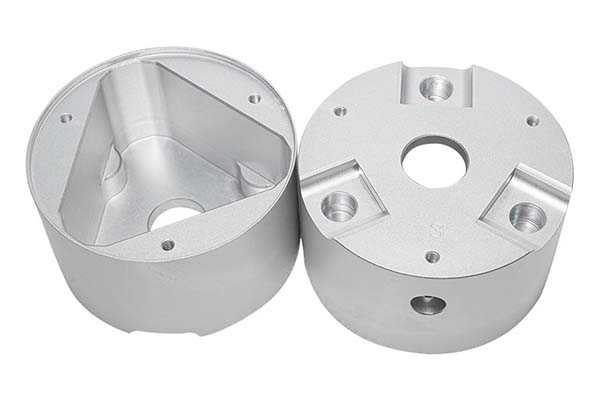
In today’s fast-moving automotive industry, getting your designs right before mass production isn’t just about saving money—it’s about meeting safety standards, beating competitors to market, and building vehicles that perform flawlessly for years.
Why Do Soft Rubber Materials Work So Well for Auto Parts?
Surviving the Tough Life of a Car
Think about what happens under your car’s hood. Temperatures can hit 180°C on a hot day with the engine running. Road salt sprays up from winter pavement. Oil and fuel vapors float through the air. Flexible parts have to handle all this while maintaining their shape and function for years.
Soft rubber materials handle these conditions naturally. Unlike hard plastics that can crack or metals that can corrode, properly chosen rubber compounds flex, seal, and absorb vibration throughout a vehicle’s life. A leading car manufacturer recently proved this with engine gaskets. They created silicone rubber prototypes and ran them through 2,000+ hours of exposure to 180°C engine heat. The prototypes showed no leaks, no deformation, and no hardening. This testing validated their design completely. When production started, the first gaskets worked perfectly. The prototyping phase saved them an estimated $180,000 in potential rework costs.
Getting Accurate Performance Data
Hard prototypes can’t tell you how a flexible part will behave after years of use. Only soft rubber gives you real data on:
- Compression set: Will a seal bounce back after being squeezed for years?
- Heat aging: Does the material harden or crack over time?
- Fluid resistance: Will fuel or oil cause swelling or degradation?
- Flex fatigue: How many cycles before cracks appear?
How Do You Choose the Right Material for Auto Prototypes?
Matching Material to Application
Different car parts face different challenges. Here’s a detailed look at the most common choices:
| Material | Key Properties | Automotive Applications | Temperature Range | Typical Cost per Part* |
|---|---|---|---|---|
| TPU | Wear resistant, high elasticity, strong tear resistance | Fuel lines, door seals, cable grommets, suspension bushings | -40°C to 120°C | $20-$50 |
| Silicone | Heat resistant, chemically inert, easy to clean | Engine gaskets, turbo hose covers, sensor seals, dashboard components | -60°C to 230°C | $30-$70 |
| EPDM | Water/ozone resistant, long-lasting flexibility | Window seals, windshield wipers, radiator hoses, weatherstripping | -50°C to 150°C | $25-$60 |
*Small batch quantities under 50 parts
TPU for Moving Parts
TPU excels when parts need to handle constant motion and wear. A truck manufacturer needed to test flexible fuel line prototypes. They chose TPU for its tear resistance and ability to handle fuel exposure. Testing showed the prototypes survived 500,000 flex cycles without cracking—matching what they needed for a 10-year vehicle life.
Silicone for High Heat Areas
When parts live near the engine, silicone is often the only choice. A performance car company needed to validate turbocharger hose covers. These parts would face 200°C temperatures right next to the turbo. Silicone prototypes survived this heat while maintaining flexibility. The testing revealed a need for thicker walls in one section, which they fixed before production tooling was cut.
EPDM for Weather Exposure
For parts that face sun, rain, and ozone, EPDM delivers proven performance. An electric vehicle maker used EPDM prototypes to test new door seals. They installed the prototypes on test vehicles driven for 50,000 miles in all weather conditions. After testing, the seals showed no cracking, no hardening, and no loss of sealing pressure against wind and water.
What Questions Should You Ask Before Selecting Material?
Where Will the Part Live?
Start by mapping the part’s environment. Engine compartment? Choose heat-resistant materials. Door seals? Focus on weather resistance and flexibility. Interior touch points? Consider feel and wear resistance.
What Will It Touch?
List all fluids and chemicals the part might contact. Fuel, oil, coolant, brake fluid, road salt, cleaning products—each can affect different rubber compounds differently. Your material choice must resist everything in its environment.
How Long Must It Last?
Modern cars are built to last 10-15 years or 150,000+ miles. Your prototype material should match the production material’s durability. Testing with the wrong material gives you useless data.
How Are Precision Auto Prototypes Actually Made?
Step 1: Start with Smart Material Selection
Choosing the right material isn’t just about the final part—it affects the whole prototyping process. A small automotive supplier once learned this the hard way. They needed a flexible fuel line prototype and chose EPDM instead of TPU. After 500 bending cycles simulating engine vibrations, the EPDM prototype cracked. They had to start over with TPU, causing a 3-week delay. Always match the material to the part’s intended use from day one.
Step 2: Get Your Design Files Right
CAD file verification: Every great prototype starts with accurate 3D files in formats like STEP or IGES. These files are your blueprint. A truck manufacturer once provided incomplete CAD files for a window seal prototype. The resulting part didn’t fit properly—the gap let air and water through. Double-checking files upfront would have caught this.
Gypsum sample validation: Before cutting any rubber, create a gypsum model to confirm basic shape and dimensions. This quick step catches errors early. A sedan maker uses gypsum samples to verify door seal curves, holding tolerances to 0.1mm for a perfect windproof, waterproof fit.
Step 3: CNC Machining Delivers Precision
Programming the cut: Engineers use software like Mastercam to create cutting paths. The CNC machine follows these paths, removing excess material to leave the exact part shape. Modern machines achieve surface finishes as smooth as Ra 0.8μm—critical for parts like engine gaskets that must seal perfectly.
Multi-axis advantages: Complex automotive parts often need 5-axis CNC machining. This technology cuts parts in a single setup, eliminating errors from repositioning. A hybrid car brand cut prototype production time from 5 days to just 2 by switching to 5-axis machines for complex cooling hose shapes.
Step 4: Post-Treatment Adds Durability
Deburring matters: Even tiny burrs can cause problems in automotive assemblies. A small burr on a fuel line might scratch metal parts during installation. Skilled technicians use 400-grit or finer sandpaper to smooth all edges. For intricate internal features, ultrasonic deburring tools reach where hands cannot.
Surface treatments: Some applications need extra attention. An SUV manufacturer uses silk screen printing on soft rubber dashboard buttons. The labels stay legible even after 15,000+ presses—simulating years of use. Others apply special coatings for UV resistance or color matching to vehicle interiors.
Step 5: Testing Validates Real-World Performance
Assembly fit checks: Bring all prototype parts together with surrounding components. A sports car maker tests brake line covers by assembling them with actual metal brake lines. This ensures the covers won’t slip during hard stops—a critical safety check.
Functional testing simulates driving: Auto prototypes must prove themselves under real conditions:
- Vibration testing: Parts endure 10,000+ cycles simulating rough roads and potholes
- Tensile strength measurement: TPU prototypes typically show 50-70 MPa strength—confirming they’ll handle acceleration and braking forces
- Temperature cycling: From -30°C winter conditions to 180°C engine heat for 300 hours with no deformation
- Fluid resistance: Soaking in fuel, oil, or coolant to check for swelling or degradation
Step 6: Protect Your Investment
Professional packaging: Quality prototypes deserve quality shipping. Custom foam inserts and hard cases prevent damage during transit. One supplier learned this when 20% of prototypes arrived damaged from cheap cardboard boxes. Don’t make that mistake.
On-time delivery matters: Auto projects run on tight schedules tied to model year launches. Most prototypes deliver in 2-3 weeks. If delays happen—like material shortages—communicate immediately. Your team can adjust plans rather than wait in the dark.
What Standards Should Auto Prototype Suppliers Meet?
Critical Certifications
Automotive prototyping isn’t like making parts for consumer goods. Your supplier should hold:
- IATF 16949 certification: The automotive industry’s quality management standard
- ISO 9001: Basic quality systems that ensure consistency
- OEM-specific approvals: Some manufacturers like Toyota or VW have their own supplier qualifications
These certifications prove the supplier follows strict processes, documents everything, and continuously improves. Without them, you’re trusting your project to unknown quality levels.
Testing Capabilities Matter
Ask potential suppliers about their in-house testing. Can they run temperature cycles? Measure tensile strength? Perform fluid resistance tests? Suppliers who do their own testing catch problems faster and deliver better parts.
How to write a spec that gets priced correctly
A drawing is a contract. If it leaves a number open, the shop fills that number in with its own default. The default is rarely the one you had in mind. Put these five lines on every RFQ and most of the back-and-forth disappears before it starts.
- A model you are willing to freeze for the build
- The question the prototype must answer
- Process and material that can answer it
- Tolerance on the features under test
- How many iterations you have budgeted
The point is not paperwork. Each line removes a decision the shop would otherwise make for you. A complete RFQ comes back priced. An incomplete one comes back guessed.
What actually drives the price
Buyers usually push on material because it is the line they can see. In practice the material is rarely the biggest number on a quote. These five lines decide most of it:
- process choice
- part size and feature count
- material
- finish and fit checks
- number of iterations
Ask for the quote split by line. A supplier who cannot break it down is guessing, and you will pay for the guess. The line you can usually renegotiate is the tolerance band, not the raw material.
Problems you will meet, and the fix
Every process has a failure mode it prefers. The same four show up again and again on this kind of work, and none of them are mysteries once you know what to look for.
- A prototype that is too good and hides a production problem
- A prototype that is too rough to test the real question
- Material chosen for speed rather than for the test
- No measurement plan, so the result is an opinion
Catch the fault on the first part, not the hundredth. A first-article check costs an hour. A bad batch costs the whole order. Write the check into the purchase order so nobody has to remember it.
What to check on the first article
The first article is the cheapest inspection you will ever buy. Use it properly and the rest of the run becomes boring, which is exactly what you want.
- Every dimension on the drawing, with the measured value written beside it.
- The material certificate, matched to the heat or lot number on the parts.
- The finish against the sample you approved, under the same light.
- Fit against the mating part, assembled rather than measured.
- Packaging, because parts that arrive damaged were never in tolerance.
Check in this order: datums, then mating features, then cosmetic faces. If the datums are wrong, every number after them is noise. Keep the report on file. When a problem shows up in month six, that document is the only thing that tells you what changed.
How to compare two quotes fairly
Two numbers are not comparable unless the scope matches. Line them up before you decide, because a low number with three gaps is not a low number.
Same drawing, same material, same finish, same inspection. Anything else is a different job wearing the same part number. Then look at what each quote leaves out. Freight, packaging, certificates and tooling are the usual gaps.
Ask each supplier to state their assumptions in writing. The one who does is usually the one who has run the process before.
Scaling from one part to a batch
The first part teaches you the process. The hundredth teaches you the process cost.
Watch three things as volume grows: setup amortisation, tool wear, and how much hand work the finish still needs. If the unit price barely moves between ten and a hundred, the cost sits in material or in hand work, not in setup. Ask which, because only one of them is negotiable.
Lead time behaves the same way. A one-off is scheduled around other jobs. A repeat order is scheduled around your forecast. Give the shop a forecast and the lead time gets shorter, not longer.
How to read a supplier's quote
A quote is a short document with a long shadow. Four things in it decide whether the job runs smoothly, and only one of them is the price.
- The scope line. It should name the process, the material and the finish, not just the part.
- The tolerance basis. General tolerance or the drawing, and which standard it follows.
- The exclusions. Tooling, freight, certificates and inspection are the usual omissions.
- The validity date. Material prices move, and an open-ended quote is a promise nobody can keep.
Read the exclusions before you read the total. A quote that leaves out tooling is not cheaper. It is a quote for a different job.
How Much Can Prototyping Really Save?
The Numbers Tell the Story
Industry data shows that automotive prototyping reduces development costs by 25-40% compared to going straight to production. These savings come from:
- Catching design flaws before cutting expensive production tooling
- Validating material choices without buying full production quantities
- Testing assembly methods to optimize factory efficiency
- Avoiding field failures that trigger expensive recalls and warranty claims
A Real Cost Example
Consider a company developing new electric vehicle battery seals. They spent $6,500 on silicone prototypes to test seals around battery connections. Testing revealed the seals compressed too much at low temperatures, potentially letting moisture in. They adjusted the design, made new prototypes for $2,800, and validated the fix. Total prototyping cost: $9,300.
If they’d gone straight to production, they would have spent $85,000 on tooling before discovering the problem. Fixing it then would mean scrapping that tooling and starting over—a $85,000 loss plus months of delay. The prototyping approach saved them over $75,000 and kept their project on schedule for a critical model year launch.
Our solution for Soft Rubber Automobile Prototype Models
YiguProto runs rapid prototyping in house, from a single prototype to a production batch. We quote the process, the material and the finish as separate lines, so you can see where the money goes instead of arguing with one number.
Send a STEP file or a drawing and you get a DFM report in one to two business days. It flags the features that add cost and the features that will not hold tolerance on the process you picked.
Every order ships with an inspection report on the features you call out. If a part misses, we make it again. Ready to price a part? Start with a free quote and DFM review, or read more about our rapid prototyping. You can also talk to an engineer before you commit to a drawing.
FAQ about Soft Rubber Automobile Prototype Models
How much does Soft Rubber Automobile Prototype Models cost?
Price comes from five lines: material, machine or tool time, setup, finishing and inspection. The material itself is usually the smallest of them. Send a drawing and we will split the quote so you can see which line is doing the damage.
What material should I specify?
Specify by standard, not by trade name. A trade name can change under you between two orders; a standard number cannot. Then add the one property that actually decides the part, whether that is strength, heat resistance or chemical exposure.
What happens if a part is out of specification?
We measure it against the same drawing you approved and, if it misses, we make it again. What matters is that the report exists, because a disagreement without data is just an opinion.
Can Soft Rubber Automobile Prototype Models be made in small quantities?
Yes, and small quantities are where a good supplier earns the next order. Setup dominates the price at low volume, so the cheapest route is usually the one with the fewest operations, not the cheapest material.
What files do you need in order to quote?
A STEP file plus a PDF drawing that carries the same revision letter. The model carries the geometry and the drawing carries the intent. When the two disagree, the shop picks one, and it is never the one you meant.
What is the lead time for Soft Rubber Automobile Prototype Models?
Expect 3 to 7 business days for a first article. Tooling, material stock and the finishing queue all move that number, so we confirm the date in writing before the run starts rather than after.
The short version
Soft Rubber Automobile Prototype Models rewards the buyer who reads the data sheet and the drawing together. Pick the option for the property that matters, not for the price per kilo.
Tighten only what mates. Test a sample before the run. Then let the process do the rest.