
Sheet Metal
What Is 1.5 mm Sheet Metal? A Complete Guide to Properties, Uses, and Working Tips
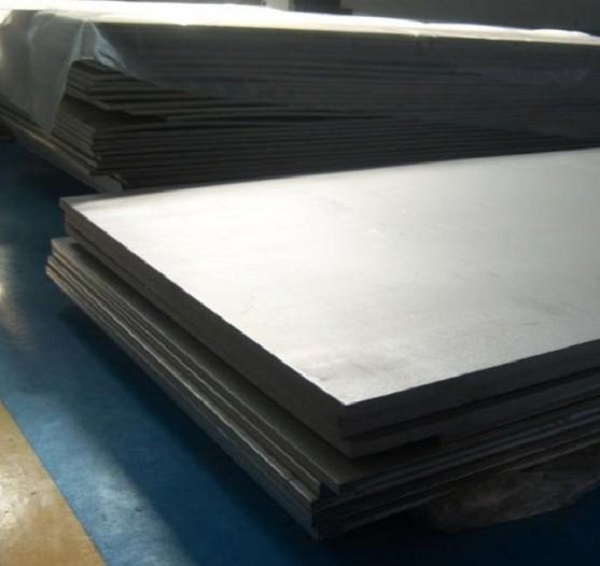
In the world of making things from metal and engineering design, 1.5 mm sheet metal plays a very important role. This specific thickness, which is roughly the same as 16 gauge, represents a versatile sweet spot. It perfectly balances being strong enough to hold its shape with being light enough to handle easily. It is flexible enough to bend into different forms.
Key takeaways
- Choosing the correct material is the most important decision in any project involving 1.5 mm sheet metal.
- Beyond the choice of alloy, the 1.5 mm thickness itself influences how the material behaves under stress and during fabrication.
- The balanced properties of 1.5 mm sheet metal have led to its adoption across a vast range of industries.
- Selecting the optimal material goes beyond just knowing the properties. It involves matching those properties to your project’s primary objective.
What Material Options Are Available for 1.5 mm Sheet Metal?
Choosing the correct material is the most important decision in any project involving 1.5 mm sheet metal. The material determines cost, weight, durability, and the fabrication methods required. The three most common and versatile options at this thickness are mild steel, stainless steel, and aluminum. Each has a unique set of properties that makes it suitable for different uses.
Mild Steel: The Workhorse
Mild steel is the workhorse of the metal fabrication industry. It is valued for its excellent combination of strength, ability to be welded, and low cost. At 1.5 mm thickness, it provides substantial rigidity for structural components.
The most common grade for general fabrication is CR4. This is a cold-rolled steel known for its smooth surface finish and precise thickness. It is ideal for applications requiring accuracy and a high-quality paint or powder coat finish.
Key characteristics: It offers high strength. It has excellent ability to be shaped. It is superb to weld, especially with MIG welding. It is the most cost-effective option. Its main drawback is a high tendency to rust. It must be protected with a coating like paint, powder coating, or zinc plating for most applications.
Common grades: CR4 for cold-rolled. S275 for hot-rolled, often pickled and oiled.
Best-use scenarios: Internal frames, mounting brackets, machine enclosures, non-cosmetic automotive panels, and general structural fabrication where the part will be protected from weather.
Stainless Steel: The Corrosion-Resistant Choice
When resistance to rust and attractive appearance are most important, stainless steel is the premier choice. At 1.5 mm, it offers a durable and visually appealing solution that requires minimal maintenance.
The chromium content in stainless steel creates a protective, self-healing oxide layer on the surface. This provides excellent protection against rust and staining.
Key characteristics: It offers superior resistance to rust. It has a high-end attractive finish in brushed or polished options. It provides good strength and hardness. It has excellent hygiene properties. It is more expensive and can be more challenging to machine and weld than mild steel.
Common grades: 304 is the most common all-purpose grade. It offers great rust resistance for general and food-grade applications. 316 contains molybdenum. This gives it superior resistance to chlorides like salt. It is essential for marine, coastal, and chemical processing environments.
Best-use scenarios: Food processing equipment, kitchen backsplashes, medical devices, architectural cladding, marine hardware, and high-end electronic enclosures.
Aluminum: The Lightweight Champion
Aluminum is the go-to material when minimizing weight is a critical design driver. At 1.5 mm thickness, an aluminum sheet is approximately one-third the weight of a steel sheet of the same size. This offers significant advantages in automotive, aerospace, and portable equipment applications. It also possesses very good natural resistance to rust.
Key characteristics: It is extremely lightweight. It has a high strength-to-weight ratio. It offers excellent resistance to rust. It has high thermal and electrical conductivity. It is softer and less rigid than steel. It requires specialized techniques like TIG welding for effective joining.
Common grades: 5052 is a superb choice for sheet metal fabrication. It has excellent ability to be shaped and good resistance to rust, especially in marine environments. 6061 is a stronger, heat-treatable grade. It has slightly lower ability to be shaped. It is better for flat panels or parts with gentle bend curves.
Best-use scenarios: Automotive body panels, aircraft components, electronic chassis, custom road cases, and any application where weight reduction is a primary objective without sacrificing durability.
Material Comparison Summary
To aid in selection, the following table provides a direct comparison of the primary 1.5 mm sheet metal options.
| Material | Relative Cost | Weight per m² at 1.5 mm | Corrosion Resistance | Weldability | Typical Applications |
|---|---|---|---|---|---|
| Mild Steel CR4 | Low | ~12.0 kg/m² | Poor, requires coating | Excellent with MIG and TIG | Brackets, enclosures, frames |
| Stainless Steel 304 | High | ~12.0 kg/m² | Excellent | Good, TIG recommended | Food-grade surfaces, architectural |
| Aluminum 5052 | Medium-High | ~4.05 kg/m² | Very Good | Good, TIG required | Vehicle panels, electronics |
What Key Mechanical and Physical Properties Matter?
Beyond the choice of alloy, the 1.5 mm thickness itself influences how the material behaves under stress and during fabrication. Understanding these properties is crucial for engineers and designers to ensure a part will perform as intended.
Weight and Density
Weight is often a primary design constraint. Calculating the weight of a component is a straightforward process based on the material density and the sheet volume. For a 1.5 mm thick sheet, the weight per square meter is a highly useful metric for quick estimations.
To calculate, use the formula: Weight in kilograms equals area in square meters times thickness in meters times density in kilograms per cubic meter.
At 1.5 mm thickness, the practical weights are:
Steel has a density of about 8000 kilograms per cubic meter. A 1.5 mm sheet weighs approximately 12.0 kilograms per square meter.
Aluminum has a density of about 2700 kilograms per cubic meter. A 1.5 mm sheet weighs approximately 4.05 kilograms per square meter.
This three times weight difference between steel and aluminum is a decisive factor in many applications.
Strength and Durability
Strength determines a material’s ability to resist external forces without deforming or breaking. The two most important metrics are tensile strength and yield strength. Yield strength is the point at which the material begins to deform permanently.
At 1.5 mm, the sheet provides good structural rigidity. It is suitable for self-supporting panels, brackets, and small enclosures. It is thick enough to resist denting and flexing in many common scenarios. Yet it is not so thick that its weight becomes prohibitive. This thickness is often sufficient to act as a load-bearing element in smaller assemblies, especially when reinforced with bends or ribs.
Formability and Bend Radius
Formability describes how easily a material can be bent or shaped without cracking. 1.5 mm sheet metal is generally considered highly formable across all three major material types.
However, a critical concept in sheet metal design is the minimum bend radius. This is the smallest inside radius to which the sheet can be bent without fracturing on the outer surface.
The minimum bend radius is a function of the material’s ductility and thickness. A common rule of thumb is to use a minimum bend radius equal to the material thickness. This is called a 1T radius. For 1.5 mm sheet, a 1.5 mm inside radius is a safe starting point for mild steel and some aluminum alloys.
However, harder alloys like 6061 aluminum or high-strength steels may require a larger radius of 2T or 3T to prevent cracking. Always consult the material data sheet for specific recommendations. Ignoring the minimum bend radius is one of the most common causes of part failure during fabrication.
What Are the Common Industry Applications?
The balanced properties of 1.5 mm sheet metal have led to its adoption across a vast range of industries. Its utility is demonstrated in applications where moderate strength, protection, and a defined shape are required.
Automotive and transportation use this thickness frequently. Non-cosmetic body panels, floor pans, support brackets, and dashboard structures all benefit. It offers the necessary strength-to-weight ratio to contribute to vehicle safety and efficiency without adding excessive mass.
Electronics and enclosures rely on 1.5 mm sheet. Server racks, electrical cabinets, control panel boxes, and equipment chassis use it. It provides robust protection for sensitive internal components. It offers excellent EMI and RFI shielding. It is rigid enough to support the weight of mounted hardware like power supplies and circuit boards.
Architectural and construction applications include decorative panels, custom light fixtures, fascia, and roof flashing. Stainless steel and aluminum at this thickness are particularly popular for their attractive appearance and long-term durability when exposed to weather.
General fabrication and prototyping favor this thickness. In job shops and for DIY projects, 1.5 mm is a favorite. It is thin enough to be cut and formed with common workshop tools. It is thick enough to build sturdy items like workbench tops, tool carts, machine guards, and custom mounting hardware.
Appliances and HVAC systems use 1.5 mm steel extensively. The casings for many household appliances rely on it. Components within HVAC systems like duct transitions and mounting pans are often made from this thickness due to its cost-effectiveness and ability to be shaped.
What Project Suitability Matrix Helps You Choose?
Selecting the optimal material goes beyond just knowing the properties. It involves matching those properties to your project’s primary objective. This practical framework helps you make a confident, justifiable choice based on your most critical requirement.
Priority: Cost and Strength
If your project’s success hinges on achieving good strength at the lowest possible material cost, and it will be used indoors or in a non-corrosive environment, the choice is clear.
Recommendation: 1.5 mm mild steel such as CR4.
Justification: Mild steel offers the best structural performance per dollar. It is ideal for internal frames, mounting plates, and structural brackets where appearance and rust are secondary concerns. Its excellent ability to be welded simplifies assembly. Remember that a finishing step, such as powder coating or painting, is not optional. It is a necessary part of the process to prevent rust.
Priority: Corrosion Resistance and Finish
When the part will be exposed to moisture, cleaning chemicals, or the public eye, longevity and appearance become the main drivers.
Recommendation: 1.5 mm stainless steel, either 304 or 316.
Justification: For food-grade surfaces, outdoor architectural elements, or medical equipment, the upfront cost of stainless steel is justified by its long, maintenance-free life. It requires no secondary coating. It provides a premium, hygienic finish. Choose Grade 304 for general purposes. Upgrade to Grade 316 if the part will be exposed to salt water, de-icing salts, or other harsh chlorides.
Priority: Minimum Weight
In any application where mass is a penalty, reducing weight is the top priority. This includes vehicles, portable equipment, or components mounted on a moving part.
Recommendation: 1.5 mm aluminum, either 5052 or 6061.
Justification: Aluminum is the undisputed champion for lightweighting. A part made from 1.5 mm aluminum will be nearly 70 percent lighter than an identical part made from steel. It still offers excellent durability and structural integrity for its weight. This is the top choice for aerospace components, vehicle panels, and electronic enclosures where portability or overall system weight is critical. Choose 5052 for parts requiring complex bends. Choose 6061 for stronger, flatter components.
What Fabrication Techniques Work Best for 1.5 mm Sheet Metal?
Successfully transforming a flat sheet of 1.5 mm metal into a finished part requires an understanding of the right tools and techniques. From a fabricator’s perspective, this thickness is a pleasure to work with. It is sturdy but not stubborn.
Cutting Techniques
The goal of cutting is to achieve dimensional accuracy with a clean edge, minimal heat distortion, and minimal burr.
Shearing works for long, straight cuts. A mechanical shear is the most efficient method. It produces a clean, straight edge quickly. However, it is limited to straight lines.
CNC laser cutting is the superior choice for complex shapes. A fiber laser provides unmatched precision and a very clean, narrow cut. It minimizes the heat-affected zone. This is crucial for maintaining material properties near the edge. Plasma cutting is a faster and more economical alternative for mild steel. It produces a wider cut and a more pronounced heat-affected zone.
Hand tools work for one-off jobs or site work. An angle grinder with a 1 mm thick cut-off disc is effective. A steady hand is required to achieve a straight line. For short, straight cuts in aluminum, tin snips can be used. They can cause some material deformation.
Bending and Forming
Bending gives a sheet metal part its three-dimensional form and strength. The press brake is the primary tool for this.
Press brake operation uses a punch and a V-shaped die to form the bend. For 1.5 mm sheet, a V-die opening of 8 to 12 mm is typically appropriate. A smaller V-die opening allows for a tighter bend radius but requires more force and increases the risk of cracking.
Bend radius must be respected. As mentioned, attempting to form a radius that is too sharp will cause visible cracking on the outside of the bend. This is especially true for 6061 aluminum. When in doubt, design with a slightly larger radius.
Grain direction matters in some cold-rolled materials. Bending along the grain, the direction of rolling, is easier and allows for a slightly tighter radius than bending against it. For critical parts, this can be a consideration.
Welding and Joining
Joining 1.5 mm sheets requires careful heat management to prevent warping and distortion.
For mild steel, MIG welding is fast, economical, and effective. TIG welding offers more control and a cleaner appearance but is slower.
For stainless steel, TIG welding is strongly recommended. It provides a clean, strong, and corrosion-resistant weld that matches the parent material. Using the correct filler rod like 308L for 304 and back-purging with argon gas is essential for preserving rust resistance.
For aluminum, TIG welding is the standard. It requires an AC power source to break through the surface oxide layer. It requires a skilled operator to manage the high thermal conductivity of the material.
Heat distortion control is the biggest challenge. To mitigate warping on 1.5 mm panels, use tack welds to secure the part. Follow with a sequence of short stitch welds about 25 mm long in different areas. This spreads the heat. Clamping the part to a thick copper or aluminum backing bar can also help pull heat away from the weld zone.
Finishing and Surface Treatment
The final step prepares the part for its end-use.
Deburring removes sharp edges. All cut or machined edges will have a sharp burr that must be removed for safety and proper fit. A handheld deburring tool, files, or a light pass with a flap disc on an angle grinder are common methods.
Grinding smooths welds. Welds on mild steel are often ground flush for a smooth appearance before painting.
Surface preparation ensures coating adhesion. For parts being painted or powder-coated, the surface must be perfectly clean. This involves a thorough degreasing process. For aluminum, an etching primer is highly recommended to ensure proper paint adhesion.
Graining creates a consistent finish. On stainless steel, a consistent brushed finish can be applied or restored using abrasive pads. This process is called graining.
What Common Mistakes and Pro Tips Should You Know?
Years on the shop floor teach lessons that are not found in textbooks. Avoiding these common mistakes will save time, material, and frustration when working with 1.5 mm sheet metal.
Mistake 1: Ignoring the bend radius.
Pro tip: Always check the material data sheet. If one is not available, a 1 to 1 rule is a safe bet for mild steel and 5052 aluminum. Use a 1.5 mm inside radius for 1.5 mm thick material. For harder alloys or when in doubt, use a 2 to 1 ratio with a 3 mm inside radius. A cracked bend means a scrapped part.
Mistake 2: Uncontrolled heat during welding.
Pro tip: On large, flat 1.5 mm panels, never run a single, long, continuous weld bead. This guarantees warping. Instead, use a backstep or stitch welding technique. Weld in short segments, moving around the part to allow areas to cool. Solid clamping is your best defense against distortion.
Mistake 3: Improper tool selection for cutting.
Pro tip: For angle grinders, a thin 1 mm cut-off disc is far superior to a thicker 3 mm disc for 1.5 mm sheet. It removes less material. It generates less heat. It gives you more control. For laser cutting, ensure the operator is using the correct thin gauge settings to prevent excessive melting or a rough edge.
Mistake 4: Neglecting surface preparation.
Pro tip: A premium powder coat finish will fail if applied to a surface with even a trace of oil. Degrease with a dedicated solvent. Handle parts with clean gloves afterward. For stainless steel, clean welds with a passivating acid paste. This restores the chromium oxide layer and prevents rust at the weld seam.
What Sourcing and Cost Considerations Matter?
Understanding where to procure 1.5 mm sheet metal and what drives its cost is essential for project budgeting and planning.
The primary sources for sheet metal are dedicated metal suppliers and steel service centers. These distributors sell full sheets, often 2500 mm by 1250 mm. They can often provide basic cutting services. Some online retailers also offer smaller, pre-cut pieces for hobbyists and small projects.
Several factors influence the final price.
Material type is the biggest cost driver. As a baseline, stainless steel can be three to five times the cost of mild steel. Aluminum can be two to four times the cost.
Sheet size affects pricing. Purchasing standard, full-sized sheets is the most cost-effective way. Requesting custom-cut sizes from a supplier will add processing costs.
Quantity matters. Like most raw materials, the price per kilogram or per sheet decreases significantly with bulk orders.
Finishes and certifications add cost. A pre-polished or brushed finish on stainless steel carries a premium. Likewise, material that comes with full traceability and material certifications for aerospace or medical use will be more expensive.
1.5 mm sheet metal has earned its place as a cornerstone material in modern engineering and fabrication. Its remarkable balance of strength, ability to be shaped, and manageable weight makes it an exceptionally versatile workhorse. It adapts to an incredible array of applications.
From the chassis of an electric vehicle to the casing of a life-saving medical device, this thickness provides a reliable and efficient solution.
The key to success lies in a simple, methodical approach. First, choose the material based on the demands of the environment, weight constraints, and budget. Steel, stainless, or aluminum each have their place. Second, understand the material’s core properties to design parts that are both strong and manufacturable. Finally, apply the correct fabrication techniques, paying close attention to details like bend radii and heat control.
By following these principles, you can confidently specify and utilize 1.5 mm sheet metal to bring your next project to a successful, high-quality completion.
Our solution for 1.5 mm Sheet Metal
YiguProto runs sheet metal fabrication in house, from a single prototype to a production batch. We quote the process, the material and the finish as separate lines, so you can see where the money goes instead of arguing with one number.
Send a STEP file or a drawing and you get a DFM report in one to two business days. It flags the features that add cost and the features that will not hold tolerance on the process you picked.
Every order ships with an inspection report on the features you call out. If a part misses, we make it again. Ready to price a part? Start with a free quote and DFM review, or read more about our sheet metal fabrication. You can also talk to an engineer before you commit to a drawing.
FAQ about 1.5 mm Sheet Metal
What files do you need in order to quote?
A STEP file plus a PDF drawing that carries the same revision letter. The model carries the geometry and the drawing carries the intent. When the two disagree, the shop picks one, and it is never the one you meant.
How long does a first article take?
Usually a few business days once the drawing is frozen, and longer if tooling is involved. The date we give you is the date we confirm in writing, not the date we hope for.
How much does 1.5 mm Sheet Metal cost?
Price comes from five lines: material, machine or tool time, setup, finishing and inspection. The material itself is usually the smallest of them. Send a drawing and we will split the quote so you can see which line is doing the damage.
How do I compare two quotes fairly?
Match the scope first: same drawing, same material, same finish, same inspection. Then read the exclusions. Freight, tooling and certificates are the usual gaps, and a low number with three gaps is not a low number.
What is 1.5 mm Sheet Metal used for?
1.5 mm Sheet Metal turns up wherever the part has to do a real job at a predictable cost: brackets, housings, fixtures, covers and the fittings that hold them together. The honest test is whether the properties match the load and the environment, not whether the material is fashionable.
What should I check before approving the parts?
Datums first, then the features that mate, then the cosmetic faces. Ask for a dimensional report, a material certificate and a finish sample. A part can be inside every tolerance and still not fit, so assemble one before you sign.
The short version
1.5 mm Sheet Metal rewards the buyer who reads the data sheet and the drawing together. Pick the option for the property that matters, not for the price per kilo.
Tighten only what mates. Test a sample before the run. Then let the process do the rest.