
Metal Materials
304 2B Stainless Steel: A Complete Guide to Properties, Uses & Procurement
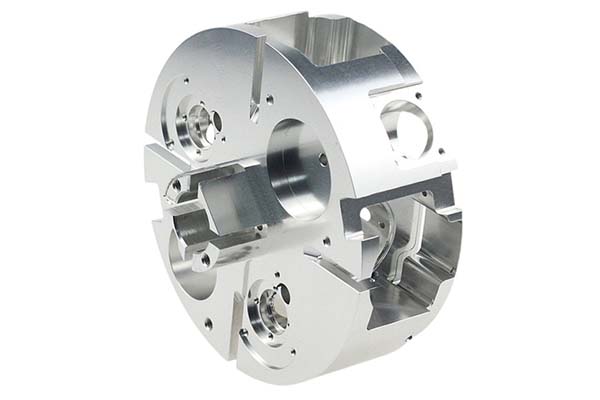
When your project involves kitchen appliances, food processing equipment, or architectural components, 304 2B stainless steel is likely the material you will specify. As the most widely used cold-rolled stainless steel grade, it combines a smooth, uniform finish with reliable corrosion resistance and excellent formability.
What Defines 304 2B Stainless Steel?
The performance of 304 2B stainless steel is defined by its chemical composition, mechanical properties, and the finish that gives it its characteristic appearance.
Chemical Composition
304 stainless steel achieves its properties through a precise balance of chromium and nickel, with controlled levels of other elements.
| Element | Content Range (%) | Functional Role |
|---|---|---|
| Chromium (Cr) | 18.0–20.0 | Forms a protective oxide layer providing excellent corrosion resistance in indoor and mild environments. |
| Nickel (Ni) | 8.0–10.5 | Stabilizes the austenitic structure, providing good formability and enhancing corrosion resistance. |
| Carbon (C) | ≤ 0.08 | Kept low to maintain weldability and prevent sensitization that can lead to corrosion. |
| Manganese (Mn) | ≤ 2.00 | Improves hardenability and processing characteristics. |
| Silicon (Si) | ≤ 1.00 | Aids deoxidation during manufacturing. |
| Phosphorus (P) | ≤ 0.045 | Controlled to prevent cold brittleness. |
| Sulfur (S) | ≤ 0.030 | Minimized to maintain toughness and corrosion resistance. |
Mechanical Properties
The mechanical characteristics of 304 2B make it suitable for a wide range of structural and decorative applications.
| Property | Typical Value | Practical Significance |
|---|---|---|
| Tensile Strength | 515 MPa (74,700 psi) | Strong enough for appliance components, sink edges, and light structural parts. |
| Yield Strength | 205 MPa (29,700 psi) | Resists permanent deformation in high-use items like elevator panels and countertops. |
| Hardness | 92 HRB (200 HV) | Soft enough to cut and form, yet tough enough to resist dents in normal use. |
| Elongation | 40–55% | High ductility allows for deep drawing and complex forming without cracking. |
| Density | 7.93 g/cm³ | Moderate weight—lighter than carbon steel, heavy enough for structural stability. |
Physical Properties
The physical characteristics of 304 2B influence its behavior during fabrication and in service.
| Property | Typical Value | Practical Significance |
|---|---|---|
| Thermal Conductivity | 16.2 W/(m·K) at 100°C | Moderate heat transfer, suitable for HVAC ducting and heat exchangers. |
| Coefficient of Thermal Expansion | 17.3 µm/(m·K) (20–100°C) | Predictable expansion, critical for precision parts like appliance doors. |
| Magnetic Permeability | 1.02 μr (annealed) | Near non-magnetic, safe for electronics and medical equipment. |
| Corrosion Resistance | Excellent in indoor/mild environments | Resists rust from water, food acids, and humidity; less durable than 316 in saltwater. |
What Does the 2B Finish Mean?
The “2B” designation is critical because it defines the surface finish that makes 304 2B so widely used. Understanding what it represents helps in specifying the right material for your application.
The Cold-Rolling and Finishing Process
The 2B finish is achieved through a specific sequence of manufacturing steps:
- Hot Rolling: The steel is first hot rolled to reduce thickness.
- Annealing: The hot-rolled steel is heated to soften it and relieve internal stresses.
- Pickling: The annealed steel is treated with acid to remove oxide scale.
- Cold Rolling: The pickled steel is cold rolled to the final thickness, which work-hardens the surface.
- Final Annealing: The cold-rolled steel is annealed again to restore ductility.
- Final Pickling: A light acid treatment removes any remaining scale and creates the uniform, smooth surface.
The result is a finish that is:
- Smooth and reflective—but not mirror-like
- Uniform in appearance—without the grain pattern of brushed finishes
- Easy to clean—with no surface texture to trap contaminants
How 2B Compares to Other Finishes
| Finish | Appearance | Typical Applications |
|---|---|---|
| 2B | Smooth, semi-reflective, uniform | Kitchen appliances, sinks, food processing equipment, general fabrication |
| No. 1 | Rough, dull, from hot rolling | Industrial equipment, applications where appearance is not critical |
| No. 4 (Brushed) | Polished with a directional grain | Architectural panels, elevator interiors, decorative trim |
| BA (Bright Annealed) | Mirror-like reflective | Decorative applications, automotive trim |
| No. 8 (Mirror) | Highly reflective, polished | Architectural accents, high-end decorative features |
Where Is 304 2B Commonly Used?
The combination of corrosion resistance, formability, and attractive finish makes 304 2B the most widely used stainless steel grade across multiple industries.
- Food and Beverage Industry: Kitchen appliances including refrigerator doors, oven interiors, and dishwasher components. Commercial sinks and countertops requiring hygiene and durability. Food processing equipment such as mixers, conveyors, and storage tanks. Beverage equipment for brewing, dairy, and bottling operations.
- Architectural and Construction: Interior architectural cladding for elevator panels, lobby walls, and column covers. Handrails and balustrades where appearance and corrosion resistance matter. HVAC ducting and ventilation components that resist condensation corrosion. Door frames, trim, and hardware for commercial buildings.
- Medical and Pharmaceutical: Pharmaceutical equipment including tablet presses, mixing vessels, and storage bins. Medical carts and trays that withstand daily cleaning with disinfectants. Laboratory work surfaces and fume hoods.
- Consumer Goods: Water bottles, cutlery, and kitchenware that require food safety and durability. Automotive trim and interior accents. Watch cases and jewelry components.
How Is 304 2B Manufactured and Processed?
The manufacturing process for 304 2B combines precise metallurgy with careful surface treatment. Post-manufacturing processing requires appropriate techniques to maintain material properties.
Core Manufacturing Process
- Melting and Casting: Iron ore, chromium (18–20%), nickel (8–10.5%), and other alloys are melted in an electric arc furnace and cast into slabs.
- Hot Rolling: Slabs are heated to approximately 1,100°C and rolled into thick coils.
- Cold Rolling: Hot-rolled coils are cold rolled at room temperature to achieve final thickness and smooth surface.
- Annealing and Pickling: The cold-rolled steel is annealed to restore ductility, then pickled to remove scale and create the 2B finish.
- Passivation: A final acid treatment strengthens the chromium oxide layer, enhancing corrosion resistance.
Fabrication Techniques
Working with 304 2B requires appropriate methods to preserve its properties:
- Cutting: Laser cutting is preferred for precision. Cutting speeds of 15–25 m/min with nitrogen assist gas prevent oxidation at the cut edge.
- Forming: High ductility allows for deep drawing into shapes like sink bowls and cookware without cracking.
- Welding: TIG welding with ER308L filler wire is standard. Post-weld passivation is essential to restore corrosion resistance in the heat-affected zone.
- Surface Protection: Avoid overheating during welding—temperatures above 800°C can damage the passivation layer.
What Standards and Certifications Apply?
To ensure you are getting genuine 304 2B stainless steel, verify compliance with global standards and certifications.
Key Standards
| Region | Standard Designation | Key Specifications |
|---|---|---|
| North America | ASTM A240 304 2B | Defines chemical composition, mechanical properties, and finish requirements |
| Europe | EN 1.4301 2B | Equivalent to ASTM A240; requires EN 10204 3.1 certification |
| Japan | JIS SUS304 2B | Specifies surface finish (Ra 0.4–1.6 µm) and formability |
| Global | ISO 9445 | Covers cold-rolled stainless steel finishes |
Critical Certifications
- FDA Compliance: Required for food-contact parts like sinks, countertops, and food processing equipment.
- NSF/ANSI 51: Certification for food equipment materials.
- EN 10204 3.1 Mill Test Certificate: Documents chemical composition and mechanical properties. Always request this from suppliers.
- RoHS/REACH: Compliance for electronics and consumer goods.
How Do You Source 304 2B Stainless Steel?
Effective procurement of 304 2B requires understanding pricing factors, lead times, and stock availability.
Pricing Factors
304 2B pricing is heavily influenced by raw material costs:
- Nickel prices account for approximately 15% of total cost. Nickel is a commodity with significant price volatility.
- Chromium and molybdenum costs also affect pricing.
- Processing costs for cutting, slitting, or custom sizes add 10–15% to coil prices.
Procurement Tips
| Factor | Recommendation |
|---|---|
| Stock Sizes | Common coil widths are 1219 mm (4 ft) and 1524 mm (5 ft). Standard sheet sizes include 1×2 m and 2×3 m. Ordering stock sizes reduces lead time by 50%. |
| Minimum Order Quantity (MOQ) | Coils typically require 500 kg MOQ; sheets require 100 kg. Smaller orders (50 kg) are possible but cost 20% more. |
| Lead Time | From major producers, allow 2–4 weeks for stock items; 4–6 weeks for custom sizes or special processing. |
| Incoterms | FOB (Free On Board) allows you to control freight and typically saves 10–15% compared to DDP (Delivered Duty Paid). |
| Packaging | Coils should be wrapped in VCI film to prevent rust during shipping. Sheets should be packed in wooden crates with waterproofing for humid destinations. |
304 2B stainless steel earns its position as the most widely used stainless steel grade through a combination of balanced properties that serve a vast range of applications. Its 18% chromium and 8% nickel composition provides reliable corrosion resistance for indoor and mild environments. Its 2B finish—smooth, uniform, and semi-reflective—combines aesthetic appeal with easy cleaning and maintenance. Its high ductility allows for complex forming operations like deep drawing, while its weldability enables fabrication of assembled components. From kitchen sinks and commercial appliances to architectural panels and food processing equipment, 304 2B delivers the performance that engineers, fabricators, and end users expect. When specifying stainless steel for applications requiring corrosion resistance, formability, and an attractive finish, 304 2B remains the standard against which all other grades are measured.
FAQ About 304 2B Stainless Steel
Can 304 2B stainless steel be used outdoors?
It can be used outdoors in dry, low-salt environments, such as inland residential areas. In coastal regions or locations exposed to road salt, 304 2B will show rust within 2–3 years. For outdoor applications in coastal or industrial environments, specify 316 2B stainless steel, which contains molybdenum for enhanced corrosion resistance. If 304 2B must be used outdoors, apply a clear stainless steel sealant every 6 months.
Is 304 2B stainless steel magnetic?
In its annealed condition, 304 2B is near non-magnetic, with a magnetic permeability of approximately 1.02 μr. However, cold working processes like bending, stamping, or cutting can induce some magnetism in the affected areas. This is normal and does not affect corrosion resistance or mechanical properties. For applications requiring strictly non-magnetic properties throughout fabrication, consider specialized austenitic grades.
How do I clean 304 2B stainless steel to prevent rust?
For daily cleaning, use mild soap and warm water with a soft cloth. Avoid abrasive sponges or steel wool, which can scratch the surface and damage the passivation layer. For tough stains like food grease or hard water deposits, use a vinegar-water solution (1:1 ratio), then wipe dry immediately. Never use bleach, chlorine-based cleaners, or ammonia—these chemicals break down the chromium oxide layer and can cause rust.
What is the difference between 304 2B and 304 No. 4 (brushed) finish?
304 2B has a smooth, semi-reflective, uniform finish with no directional grain pattern. It is the standard finish for applications requiring a clean appearance without visible scratches. 304 No. 4 (brushed) has a directional grain pattern created by abrasive polishing. It hides fingerprints and minor surface imperfections better than 2B, making it popular for architectural panels, elevator interiors, and decorative trim where appearance and low maintenance are priorities.
How to write a spec that gets priced correctly
A drawing is a contract. If it leaves a number open, the shop fills that number in with its own default. The default is rarely the one you had in mind. Put these five lines on every RFQ and most of the back-and-forth disappears before it starts.
- Alloy designation and the standard behind it
- Temper or heat treatment condition
- Mechanical properties you actually need
- Mill certificate and traceability requirement
- Finish and the faces it applies to
The point is not paperwork. Each line removes a decision the shop would otherwise make for you. A complete RFQ comes back priced. An incomplete one comes back guessed.
What actually drives the price
Buyers usually push on material because it is the line they can see. In practice the material is rarely the biggest number on a quote. These five lines decide most of it:
- alloy grade and mill availability
- stock size versus finished size
- heat treatment and testing
- machinability
- certification
Ask for the quote split by line. A supplier who cannot break it down is guessing, and you will pay for the guess. The line you can usually renegotiate is the tolerance band, not the raw material.
Problems you will meet, and the fix
Every process has a failure mode it prefers. The same four show up again and again on this kind of work, and none of them are mysteries once you know what to look for.
- Substituting a similar grade without telling anyone
- Hardness that varies across a single bar
- Corrosion in a weld heat-affected zone
- Distortion after heat treatment on a thin part
Catch the fault on the first part, not the hundredth. A first-article check costs an hour. A bad batch costs the whole order. Write the check into the purchase order so nobody has to remember it.
What to check on the first article
The first article is the cheapest inspection you will ever buy. Use it properly and the rest of the run becomes boring, which is exactly what you want.
- Every dimension on the drawing, with the measured value written beside it.
- The material certificate, matched to the heat or lot number on the parts.
- The finish against the sample you approved, under the same light.
- Fit against the mating part, assembled rather than measured.
- Packaging, because parts that arrive damaged were never in tolerance.
Check in this order: datums, then mating features, then cosmetic faces. If the datums are wrong, every number after them is noise. Keep the report on file. When a problem shows up in month six, that document is the only thing that tells you what changed.
How to compare two quotes fairly
Two numbers are not comparable unless the scope matches. Line them up before you decide, because a low number with three gaps is not a low number.
Same drawing, same material, same finish, same inspection. Anything else is a different job wearing the same part number. Then look at what each quote leaves out. Freight, packaging, certificates and tooling are the usual gaps.
Ask each supplier to state their assumptions in writing. The one who does is usually the one who has run the process before.
Scaling from one part to a batch
The first part teaches you the process. The hundredth teaches you the process cost.
Watch three things as volume grows: setup amortisation, tool wear, and how much hand work the finish still needs. If the unit price barely moves between ten and a hundred, the cost sits in material or in hand work, not in setup. Ask which, because only one of them is negotiable.
Lead time behaves the same way. A one-off is scheduled around other jobs. A repeat order is scheduled around your forecast. Give the shop a forecast and the lead time gets shorter, not longer.
Our solution for 304 2B Stainless Steel
YiguProto runs metal sourcing and machining in house, from a single prototype to a production batch. We quote the process, the material and the finish as separate lines, so you can see where the money goes instead of arguing with one number.
Send a STEP file or a drawing and you get a DFM report in one to two business days. It flags the features that add cost and the features that will not hold tolerance on the process you picked.
Every order ships with an inspection report on the features you call out. If a part misses, we make it again. Ready to price a part? Start with a free quote and DFM review, or read more about our metal sourcing and machining. You can also talk to an engineer before you commit to a drawing.
FAQ about 304 2B Stainless Steel
What happens if a part is out of specification?
We measure it against the same drawing you approved and, if it misses, we make it again. What matters is that the report exists, because a disagreement without data is just an opinion.
What is 304 2B Stainless Steel used for?
304 2B Stainless Steel turns up wherever the part has to do a real job at a predictable cost: brackets, housings, fixtures, covers and the fittings that hold them together. The honest test is whether the properties match the load and the environment, not whether the material is fashionable.
Can 304 2B Stainless Steel be made in small quantities?
Yes, and small quantities are where a good supplier earns the next order. Setup dominates the price at low volume, so the cheapest route is usually the one with the fewest operations, not the cheapest material.
What should I check before approving the parts?
Datums first, then the features that mate, then the cosmetic faces. Ask for a dimensional report, a material certificate and a finish sample. A part can be inside every tolerance and still not fit, so assemble one before you sign.
What tolerance can you hold on 304 2B Stainless Steel?
The working default is ±0.05 mm on machined features, ±0.1 mm on formed ones. Tighter than that the process changes and so does the price, because every step tighter adds inspection time. Call out only the faces that mate with something else and leave the rest on the general tolerance.
What material should I specify?
Specify by standard, not by trade name. A trade name can change under you between two orders; a standard number cannot. Then add the one property that actually decides the part, whether that is strength, heat resistance or chemical exposure.
The short version
304 2B Stainless Steel rewards the buyer who reads the data sheet and the drawing together. Pick the option for the property that matters, not for the price per kilo.
Tighten only what mates. Test a sample before the run. Then let the process do the rest.