
3D Printing
How Can 3D Printing Unlock the Next Chapter for the 12 Zodiac?
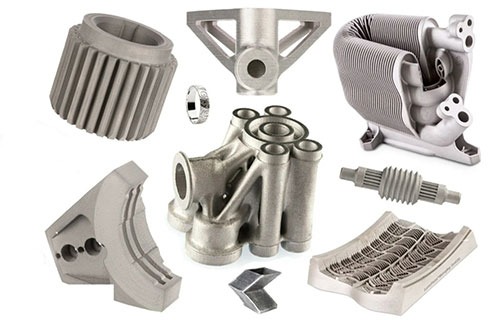
For centuries, the 12 Zodiac animals have been immortalized through wood carving, jade sculpture, and metal casting. While these traditional crafts hold deep cultural reverence, they face modern limitations: high costs for customization, rigid production scales, and the loss of intricate details in mass reproduction.
Key takeaways
- 3D printing, or additive manufacturing, builds objects layer by layer from a digital model.
- The design phase is where tradition meets digital innovation. Success hinges on respecting cultural authenticity while leveraging geometric freedom.
- The material choice profoundly impacts the object’s feel, appearance, and longevity. Different materials serve different artistic and practical goals.
- 3D printing enables diverse use cases that were previously impractical due to cost or scale.
What Makes 3D Printing a Transformative Tool for Cultural Artifacts?
3D printing, or additive manufacturing, builds objects layer by layer from a digital model. For cultural creations like the Zodiac, this shift from subtractive or formative methods (carving, casting) to an additive process is foundational. It allows for the preservation and reinterpretation of cultural motifs with unprecedented flexibility and precision.
The core value lies in democratizing access. A digital design file of an intricately modeled “Year of the Dragon” can be shared, scaled, and printed anywhere in the world, enabling global engagement with cultural symbols. It also supports sustainable practices by minimizing material waste compared to traditional carving, where up to 80% of a raw block can be removed.
How Do You Design 3D Printable Zodiac Models?
The design phase is where tradition meets digital innovation. Success hinges on respecting cultural authenticity while leveraging geometric freedom.
What Are the Key Design Principles?
- Capture Essence Over Literal Representation: The most successful 3D models stylize the animal’s form while amplifying its symbolic traits. For example, a Rabbit model might emphasize long, graceful ears and a gentle posture, using smooth, flowing curves rather than hyper-realistic fur.
- Optimize for Printability and Strength: Design with the printing process in mind. Overhangs like a dragon’s protruding whiskers or a goat’s horns require support structures during printing. Strategic design, such as angling these features, can minimize supports and improve the final surface quality.
- Integrate Function with Form: Beyond static sculpture, designs can incorporate function. A Pig model can be designed as a hollow container with a removable head; a Snake’s coiled body can form the base for a ring holder. This adds modern utility to symbolic art.
Where Can You Source or Create Models?
- Digital Repositories: Platforms like Thingiverse, Cults3D, or MyMiniFactory host thousands of artist-created Zodiac models, from minimalist silhouettes to highly detailed figurines. This is an excellent starting point.
- 3D Scanning Traditional Artifacts: For preservation, high-resolution 3D scanners can digitize existing artifacts, creating an exact digital archive that can be reproduced or carefully modified.
- Original Digital Sculpting: Using software like ZBrush, Blender, or Fusion 360, artists can create entirely original interpretations. This allows for the greatest creative control and the development of a unique artistic style for the Zodiac series.
Which Materials Best Convey the Right Aesthetic and Durability?
The material choice profoundly impacts the object’s feel, appearance, and longevity. Different materials serve different artistic and practical goals.
| Material Category | Specific Examples | Aesthetic & Haptic Qualities | Best For | Key Consideration |
|---|---|---|---|---|
| Standard Polymers (FDM) | PLA, PETG, ABS | Matte, layered texture. Can be sanded and painted. Wide color range. | Desktop decor, educational kits, affordable art prints. Prototyping designs before committing to expensive materials. | Layer lines are visible. Best for stylized rather than hyper-realistic finishes. |
| High-Detail Resins (SLA/DLP) | Standard, Tough, Castable Resins | Exceptionally smooth surface, fine detail capture. Can be transparent, colored, or painted. | Jewelry (pendants, rings), miniature collectibles, high-fidelity figurines where detail is paramount. | More brittle than FDM plastics. Requires post-processing (washing, curing). |
| Composites & Specialties | Wood-Filled PLA, Metal-Filled PLA, Stone-Filled Resins | Unique finishes: wood-like, metallic sheen, or stone texture. Can be post-processed (sanded, polished, patinated). | Premium decorative pieces that mimic traditional materials like carved wood or bronze. | Often require specific printer settings (hardened nozzles for abrasives). |
| Castable Materials | Castable Wax Resin, Castable PLA | Designed to be burned out in a lost-wax casting process. | Creating masters for producing limited edition series in silver, gold, or bronze, connecting 3D printing directly to traditional fine art metalworking. | The printed model is an intermediate step, not the final piece. |
What Are the Practical Applications and Economic Models?
3D printing enables diverse use cases that were previously impractical due to cost or scale.
How is it Used in Cultural Commerce and Preservation?
- Customized Souvenirs & Gifts: Retailers or museums can offer personalized Zodiac charms—where a name or date is integrated into the design—printed on-demand. A visitor born in the Year of the Tiger can receive a unique, locally produced memento.
- Limited Edition Art Series: Artists can design a cohesive set of 12 sculptures and produce numbered, limited runs without the massive upfront cost of molding. Each piece can be slightly varied, making each one unique.
- Educational Kits & Interactive Exhibits: Museums can provide 3D-printed tactile models of Zodiac animals for visually impaired visitors or for hands-on educational workshops, enhancing accessibility and engagement.
What Are the Production Economics?
The economic argument is strongest for low-to-medium volume production.
- Elimination of Tooling Costs: Unlike injection molding, which requires a $5,000-$50,000 mold, 3D printing has near-zero setup cost for a new design. This makes producing all 12 animals economically viable, even in small quantities.
- On-Demand & Distributed Manufacturing: Inventory risk is minimized. Items can be printed as orders are received. Furthermore, digital files can be securely sent to local print hubs around the world for fulfillment, reducing shipping costs and carbon footprint.
How to write a spec that gets priced correctly
A drawing is a contract. If it leaves a number open, the shop fills that number in with its own default. The default is rarely the one you had in mind. Put these five lines on every RFQ and most of the back-and-forth disappears before it starts.
- File format and units, with the model exported in millimetres
- Process and material grade, not a trade name
- Critical features and the tolerance each one needs
- Surface finish and the faces it applies to
- Quantity for the pilot build and for the year
The point is not paperwork. Each line removes a decision the shop would otherwise make for you. A complete RFQ comes back priced. An incomplete one comes back guessed.
What actually drives the price
Buyers usually push on material because it is the line they can see. In practice the material is rarely the biggest number on a quote. These five lines decide most of it:
- build volume and orientation
- layer height and support structure
- material grade and colour
- post-processing and hand finishing
- quantity per build plate
Ask for the quote split by line. A supplier who cannot break it down is guessing, and you will pay for the guess. The line you can usually renegotiate is the tolerance band, not the raw material.
Problems you will meet, and the fix
Every process has a failure mode it prefers. The same four show up again and again on this kind of work, and none of them are mysteries once you know what to look for.
- Warping on long flat faces where the part lifts off the plate
- Layer lines showing through a cosmetic surface
- Support scars on a mating face nobody flagged
- Dimensional drift on thin walls after cooling
Catch the fault on the first part, not the hundredth. A first-article check costs an hour. A bad batch costs the whole order. Write the check into the purchase order so nobody has to remember it.
What to check on the first article
The first article is the cheapest inspection you will ever buy. Use it properly and the rest of the run becomes boring, which is exactly what you want.
- Every dimension on the drawing, with the measured value written beside it.
- The material certificate, matched to the heat or lot number on the parts.
- The finish against the sample you approved, under the same light.
- Fit against the mating part, assembled rather than measured.
- Packaging, because parts that arrive damaged were never in tolerance.
Check in this order: datums, then mating features, then cosmetic faces. If the datums are wrong, every number after them is noise. Keep the report on file. When a problem shows up in month six, that document is the only thing that tells you what changed.
How to compare two quotes fairly
Two numbers are not comparable unless the scope matches. Line them up before you decide, because a low number with three gaps is not a low number.
Same drawing, same material, same finish, same inspection. Anything else is a different job wearing the same part number. Then look at what each quote leaves out. Freight, packaging, certificates and tooling are the usual gaps.
Ask each supplier to state their assumptions in writing. The one who does is usually the one who has run the process before.
Scaling from one part to a batch
The first part teaches you the process. The hundredth teaches you the process cost.
Watch three things as volume grows: setup amortisation, tool wear, and how much hand work the finish still needs. If the unit price barely moves between ten and a hundred, the cost sits in material or in hand work, not in setup. Ask which, because only one of them is negotiable.
Lead time behaves the same way. A one-off is scheduled around other jobs. A repeat order is scheduled around your forecast. Give the shop a forecast and the lead time gets shorter, not longer.
How to read a supplier's quote
A quote is a short document with a long shadow. Four things in it decide whether the job runs smoothly, and only one of them is the price.
- The scope line. It should name the process, the material and the finish, not just the part.
- The tolerance basis. General tolerance or the drawing, and which standard it follows.
- The exclusions. Tooling, freight, certificates and inspection are the usual omissions.
- The validity date. Material prices move, and an open-ended quote is a promise nobody can keep.
Read the exclusions before you read the total. A quote that leaves out tooling is not cheaper. It is a quote for a different job.
Can You Share a Real-World Project Example?
Project: “Zodiac Guardians” Contemporary Art Collection
Challenge: A contemporary artist wanted to create a series of 12 modern Zodiac sculptures that blended traditional symbolism with biomimetic, organic forms inspired by marine life. Traditional sculpting in clay followed by casting was estimated to cost over $100,000 and take 18 months.
Solution & Workflow:
- Digital Sculpting: The artist designed the series in ZBrush, creating complex, flowing forms with intricate surface textures that would be impossible to carve by hand.
- Prototyping: Each design was first printed in inexpensive PLA to verify scale and form. Feedback was incorporated digitally.
- Final Material Selection: For the final collection, pieces were printed using a large-format SLA printer with a “ceramic-like” rigid resin. This provided the desired smooth, stone-like aesthetic with incredible detail fidelity.
- Finishing: Pieces were hand-sanded, primed, and finished with professional airbrushing to add depth and subtle color gradients.
Outcome: The artist produced a limited edition of 12 sets (144 individual sculptures) within 6 months and at one-third of the estimated traditional cost. The digital assets also allowed for the creation of high-resolution digital renders and NFTs, creating a parallel digital art offering.
3D printing is not merely a new tool for making objects; it is a new medium for cultural expression. For the 12 Zodiac, it offers a path to preserve, personalize, and proliferate these ancient symbols in ways that are both respectful of their origins and excitingly modern. By enabling unprecedented design complexity, material experimentation, and economically viable small-batch production, it empowers artists, entrepreneurs, and cultural stewards to share these stories with wider audiences. The future of cultural artifacts like the Zodiac lies in this synergy—where the depth of tradition informs the possibilities of digital creation, ensuring these symbols remain vibrant and relevant for generations to come.
FAQ: 3D Printing the 12 Zodiac
Q: How do I ensure my 3D-printed Zodiac designs are culturally respectful and accurate?
A: This requires intentional research and collaboration. Start by studying historical representations of each Zodiac animal from reputable museum collections or academic sources. Consider consulting with cultural historians or traditional artisans to understand the core symbolism. The goal is not to copy, but to interpret with understanding. Document your design choices and the symbolic elements you’ve incorporated to share the cultural narrative alongside the physical piece.
Q: Can I sell 3D-printed Zodiac models based on a design I downloaded?
A: You must strictly adhere to the designer’s license. Many models on sharing platforms are for personal use only. Commercial use often requires purchasing a commercial license, contacting the designer for permission, or using platforms that explicitly offer royalty-free commercial files. Never assume a download grants you sales rights. Creating and selling your own original designs is always the safest and most ethical path.
Q: What’s the best way to achieve a traditional “gold leaf” or “bronze patina” finish on a 3D print?
A: This is achieved through skilled post-processing. After printing and sanding smooth:
- For metallic finishes: Use a high-quality primer/filler, then apply metallic spray paint (e.g., gold, copper, bronze). For a more authentic look, apply chemical patina solutions over the metallic paint to create aged, verdigris effects.
- For gold leaf: Apply an adhesive size to the primed print, then carefully apply imitation or real gold leaf sheets. Seal with a clear coat. This technique works best on models with larger, smoother planes rather than highly intricate textures.
Q: How durable are 3D-printed resin Zodiac figures for daily handling?
A: Standard resins can be brittle. For decorative pieces that will be displayed in a cabinet, they are perfectly durable. For items meant to be handled frequently (like a desk ornament), choose a “Tough” or “Durable” formulation of resin, which has higher impact resistance. Alternatively, consider using MJF (Multi Jet Fusion) technology with Nylon, which produces very strong, slightly flexible parts ideal for functional items.
Our solution for 3D Printing Unlock
YiguProto runs 3D printing in house, from a single prototype to a production batch. We quote the process, the material and the finish as separate lines, so you can see where the money goes instead of arguing with one number.
Send a STEP file or a drawing and you get a DFM report in one to two business days. It flags the features that add cost and the features that will not hold tolerance on the process you picked.
Every order ships with an inspection report on the features you call out. If a part misses, we make it again. Ready to price a part? Start with a free quote and DFM review, or read more about our 3D printing. You can also talk to an engineer before you commit to a drawing.
FAQ about 3D Printing Unlock
What happens if a part is out of specification?
We measure it against the same drawing you approved and, if it misses, we make it again. What matters is that the report exists, because a disagreement without data is just an opinion.
What files do you need in order to quote?
A STEP file plus a PDF drawing that carries the same revision letter. The model carries the geometry and the drawing carries the intent. When the two disagree, the shop picks one, and it is never the one you meant.
What should I check before approving the parts?
Datums first, then the features that mate, then the cosmetic faces. Ask for a dimensional report, a material certificate and a finish sample. A part can be inside every tolerance and still not fit, so assemble one before you sign.
Is there a minimum order quantity?
No hard minimum. One part is fine. What changes with volume is which costs dominate, so a single unit is priced mostly on setup and a thousand units are priced mostly on cycle time and material.
What tolerance can you hold on 3D Printing Unlock?
The working default is ±0.1 mm on small features, ±0.3% on long spans. Tighter than that the process changes and so does the price, because every step tighter adds inspection time. Call out only the faces that mate with something else and leave the rest on the general tolerance.
How do I compare two quotes fairly?
Match the scope first: same drawing, same material, same finish, same inspection. Then read the exclusions. Freight, tooling and certificates are the usual gaps, and a low number with three gaps is not a low number.
The short version
3D Printing Unlock rewards the buyer who reads the data sheet and the drawing together. Pick the option for the property that matters, not for the price per kilo.
Tighten only what mates. Test a sample before the run. Then let the process do the rest.