
Industry Applications
What Is the Best Material for Your Medical Device Shell?
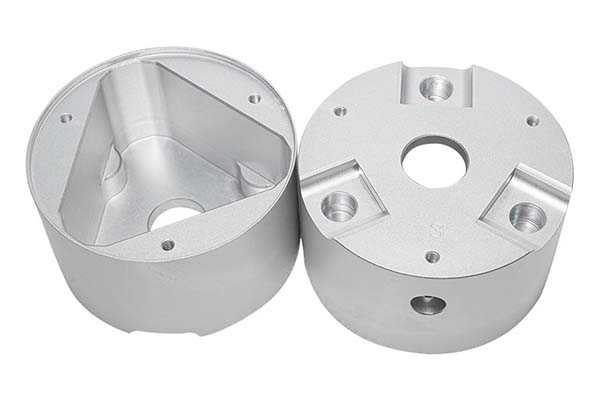
If you are a medical device manufacturer, the shell that houses your product is far more than just a cover. It is a critical component that must protect sensitive electronics, ensure patient safety, and withstand harsh sterilization environments—all while meeting strict regulatory standards. Choosing the wrong material can lead to device failure, costly redesigns, or regulatory delays.
Key takeaways
- Medical device shells require a unique combination of properties: they must be biocompatible, durable, sterilizable, and often have a specific aesthetic or feel.
- Choosing the right material involves evaluating several key factors to ensure safety, performance, and regulatory compliance.
- Different device types have unique requirements that guide material choice.
- Selecting the right material for a medical device shell is a complex but critical decision.
What Are the Essential Materials for Medical Device Shells?
Medical device shells require a unique combination of properties: they must be biocompatible, durable, sterilizable, and often have a specific aesthetic or feel. The materials used fall into several main categories.
Medical-Grade Plastics
Plastics are widely used for non-implantable device housings due to their versatility, cost-effectiveness, and ease of machining.
- ABS (Acrylonitrile Butadiene Styrene): A popular choice for diagnostic equipment and instrument casings. It offers good impact resistance and dimensional stability. It can be easily colored or textured. ABS has a tensile strength of 3,000–5,000 psi and can withstand limited cycles of autoclaving at 121°C.
- Polycarbonate (PC): Valued for its transparency and high impact resistance. Medical-grade PC is used for surgical light housings, endoscope components, and medication delivery devices. It can withstand repeated autoclaving and meets USP Class VI biocompatibility standards.
- PEEK (Polyetheretherketone): A high-performance plastic for demanding applications. It offers excellent chemical resistance, thermal stability up to 260°C, and is radiolucent (transparent to X-rays). It is used for implantable device shells, surgical instruments, and MRI-compatible equipment.
- Ultem (PEI – Polyetherimide): Known for its high strength, broad chemical resistance, and ability to withstand repeated sterilization cycles (autoclave, EtO, gamma). It is commonly used for reusable instrument trays and surgical device casings.
Stainless Steels
Stainless steels are preferred when strength and durability are paramount.
- 316L Stainless Steel: The gold standard for many medical applications. This low-carbon alloy offers excellent corrosion resistance in bodily fluids and harsh cleaning environments. Its tensile strength is 70,000–90,000 psi. It is used for surgical instrument handles, patient monitor housings, and reusable equipment.
- 17-4 PH Stainless Steel: A precipitation-hardening steel that provides even higher strength (up to 170,000 psi). It is used for heavy-duty medical devices and surgical tools where maximum durability is required.
Titanium Alloys
Titanium is chosen for its exceptional strength-to-weight ratio and superior biocompatibility.
- Ti-6Al-4V (Grade 5 Titanium): A versatile alloy used for portable medical device shells and surgical instruments. It has a tensile strength of 130,000–140,000 psi while being 40% lighter than steel. It offers superior corrosion resistance in physiological environments.
- Commercially Pure Titanium (Grades 1-4): Used when extreme strength isn’t required but biocompatibility is critical. Grade 2 is commonly used for implantable device casings, like pacemakers and defibrillators.
Aluminum Alloys
Aluminum is valued for its light weight and cost-effectiveness.
- 6061 Aluminum: A popular choice for non-sterile device shells, such as MRI machine enclosures and equipment frames. It offers good machinability and can be anodized for enhanced durability. Its tensile strength is 30,000–40,000 psi.
- 7075 Aluminum: Used when higher strength is needed in a lightweight structure, such as for portable medical equipment.
| Material | Tensile Strength | Biocompatibility | Sterilization Methods | Common Applications |
|---|---|---|---|---|
| ABS Plastic | 3,000–5,000 psi | Limited contact | Limited autoclave, EtO | Diagnostic equipment housings |
| Polycarbonate | 9,000–11,000 psi | USP Class VI | Autoclave, gamma, EtO | Surgical light shells, endoscope housings |
| PEEK | 10,000–15,000 psi | ISO 10993 | Autoclave, gamma | Implantable device shells, surgical tools |
| 316L Stainless Steel | 70,000–90,000 psi | Excellent | All methods | Surgical instrument shells, monitors |
| Ti-6Al-4V | 130,000–140,000 psi | Superior | All methods | Portable device shells, implant housings |
| 6061 Aluminum | 30,000–40,000 psi | Good for external use | Limited autoclave | MRI enclosures, equipment frames |
What Critical Factors Guide Material Selection?
Choosing the right material involves evaluating several key factors to ensure safety, performance, and regulatory compliance.
Biocompatibility
This is non-negotiable. The material must not cause adverse reactions, toxicity, or inflammation. Standards like ISO 10993 and USP Class VI provide guidelines for testing and evaluation. For shells in direct contact with skin or bodily fluids, materials like 316L stainless steel, titanium, and PEEK are preferred due to their proven track record.
Sterilization Compatibility
The shell must withstand repeated sterilization without degrading. Common methods include:
- Autoclaving (Steam): Requires materials to withstand high temperatures (121–134°C) and pressure. Metals, PEEK, Ultem, and some polycarbonates handle this well.
- Gamma Radiation: Can cause some plastics to become brittle. PEEK, Ultem, and metals are radiation-stable.
- Ethylene Oxide (EtO): Compatible with most plastics and metals but requires proper aeration to remove residues.
Mechanical Properties
The material must have the necessary strength, rigidity, and impact resistance.
- Shells for portable devices need to be lightweight yet strong, making titanium and aluminum good choices.
- Shells protecting delicate internal electronics require high impact resistance, where polycarbonate excels.
- Reusable device shells demand high durability and wear resistance, pointing towards stainless steel or Ultem.
Corrosion Resistance
Exposure to cleaning agents, disinfectants, and bodily fluids makes corrosion resistance essential. Titanium and 316L stainless steel offer superior resistance. For plastics, PEEK and Ultem provide excellent chemical resistance.
Machinability and Manufacturing Costs
How easily a material can be machined affects production cost and lead time.
- Aluminum and 316L stainless steel are relatively easy to machine, keeping costs down.
- Titanium and PEEK are more challenging, requiring specialized tools and slower speeds, which increases manufacturing cost.
- While the raw material cost for some plastics is low, the machining cost can be significant if the part design is complex.
Regulatory Compliance
Materials with a history of safe use in medical devices simplify the regulatory approval process. Most medical-grade plastics, stainless steels, and titanium alloys have established regulatory acceptance with bodies like the FDA and CE.
How to write a spec that gets priced correctly
A drawing is a contract. If it leaves a number open, the shop fills that number in with its own default. The default is rarely the one you had in mind. Put these five lines on every RFQ and most of the back-and-forth disappears before it starts.
- The application and the environment it runs in
- The standard the part must meet
- Process and material that can meet it
- Inspection and documentation package
- Volume and ramp schedule
The point is not paperwork. Each line removes a decision the shop would otherwise make for you. A complete RFQ comes back priced. An incomplete one comes back guessed.
What actually drives the price
Buyers usually push on material because it is the line they can see. In practice the material is rarely the biggest number on a quote. These five lines decide most of it:
- process selection
- material and certification
- tolerance band
- inspection and documentation
- volume
Ask for the quote split by line. A supplier who cannot break it down is guessing, and you will pay for the guess. The line you can usually renegotiate is the tolerance band, not the raw material.
Problems you will meet, and the fix
Every process has a failure mode it prefers. The same four show up again and again on this kind of work, and none of them are mysteries once you know what to look for.
- A consumer-grade process chosen for an industrial duty
- Documentation that arrives after the parts
- A tolerance tighter than the application needs
- No plan for the second source
Catch the fault on the first part, not the hundredth. A first-article check costs an hour. A bad batch costs the whole order. Write the check into the purchase order so nobody has to remember it.
What to check on the first article
The first article is the cheapest inspection you will ever buy. Use it properly and the rest of the run becomes boring, which is exactly what you want.
- Every dimension on the drawing, with the measured value written beside it.
- The material certificate, matched to the heat or lot number on the parts.
- The finish against the sample you approved, under the same light.
- Fit against the mating part, assembled rather than measured.
- Packaging, because parts that arrive damaged were never in tolerance.
Check in this order: datums, then mating features, then cosmetic faces. If the datums are wrong, every number after them is noise. Keep the report on file. When a problem shows up in month six, that document is the only thing that tells you what changed.
How to compare two quotes fairly
Two numbers are not comparable unless the scope matches. Line them up before you decide, because a low number with three gaps is not a low number.
Same drawing, same material, same finish, same inspection. Anything else is a different job wearing the same part number. Then look at what each quote leaves out. Freight, packaging, certificates and tooling are the usual gaps.
Ask each supplier to state their assumptions in writing. The one who does is usually the one who has run the process before.
Scaling from one part to a batch
The first part teaches you the process. The hundredth teaches you the process cost.
Watch three things as volume grows: setup amortisation, tool wear, and how much hand work the finish still needs. If the unit price barely moves between ten and a hundred, the cost sits in material or in hand work, not in setup. Ask which, because only one of them is negotiable.
Lead time behaves the same way. A one-off is scheduled around other jobs. A repeat order is scheduled around your forecast. Give the shop a forecast and the lead time gets shorter, not longer.
How to read a supplier's quote
A quote is a short document with a long shadow. Four things in it decide whether the job runs smoothly, and only one of them is the price.
- The scope line. It should name the process, the material and the finish, not just the part.
- The tolerance basis. General tolerance or the drawing, and which standard it follows.
- The exclusions. Tooling, freight, certificates and inspection are the usual omissions.
- The validity date. Material prices move, and an open-ended quote is a promise nobody can keep.
Read the exclusions before you read the total. A quote that leaves out tooling is not cheaper. It is a quote for a different job.
What to send with the first order
The first order sets the pattern for every order after it. Send a complete package once and the shop files it, and the second order takes a fraction of the time.
- A STEP or native model plus a PDF drawing carrying the same revision letter.
- The material callout by standard number, not by trade name.
- The finish and the exact faces it applies to.
- Any test the part must pass: fit, seal, drop, salt spray, dielectric.
- A contact who can answer a question inside one working day.
Then write down what was agreed. An email that confirms the material, the finish and the date is worth more than a longer purchase order that leaves them open.
When this is the wrong choice
A good supplier tells you when the process does not fit. These are the cases where we say so.
- The volume is so low that setup costs more than the parts are worth.
- The tolerance is tighter than the process can hold without a second operation.
- The geometry cannot be made without a tool feature that will not pay back.
- The material you need is not available in the form the process requires.
- The schedule is shorter than the tooling or setup time, and nobody has said so yet.
None of these are refusals. They are reasons to look at a different route, and the earlier that conversation happens the cheaper it is. The most expensive mistake in manufacturing is a process chosen before the question was understood.
Planning the ramp from prototype to production
The gap between one good part and a thousand identical ones is a plan, not a machine. Three decisions close it.
First, freeze the design. Every change after tooling starts is a re-cut, and re-cuts are where schedules go. Second, decide the inspection level. A prototype is checked by eye; a production part is checked against a report. Third, agree the change process in writing, including who pays for it.
Write the ramp down as dates and owners, not as intentions. A ramp plan with three names and three dates is worth more than a page of good intentions.
What documentation to expect
Paperwork is not bureaucracy when a part fails at the customer. It is the only record of what was agreed. A normal shipment should carry four documents.
- A dimensional report covering every callout on the drawing.
- A material certificate traceable to the heat or lot number.
- A finish or coating certificate where the specification requires one.
- A packing list that matches the carton labels.
If a supplier cannot produce these on request, they are not running a controlled process. Ask for one sample set before you place the first order and you will know exactly what you are buying.
What Are Application-Specific Recommendations?
Different device types have unique requirements that guide material choice.
Diagnostic Equipment Shells
Devices like ultrasound machines and blood analyzers need shells that are durable and aesthetically pleasing.
- Recommended Materials: ABS for cost-sensitive parts, polycarbonate for transparent windows, and aluminum for structural frames.
- Key Properties: Dimensional stability, impact resistance.
Surgical Instrument Housings
Handpieces and powered instruments must withstand repeated sterilization and provide a secure grip.
- Recommended Materials: 316L stainless steel for durability, PEEK for lightweight, high-performance tools, and Ultem for handles.
- Key Properties: Corrosion resistance, heat resistance.
Implantable Device Casings
Shells for pacemakers and neurostimulators must be hermetically sealed and biocompatible.
- Recommended Materials: Titanium alloys (Grade 2 and Grade 5) and PEEK.
- Key Properties: Biocompatibility, corrosion resistance, radiolucency for imaging.
Portable Medical Device Shells
Insulin pumps and handheld monitors need to be lightweight and durable.
- Recommended Materials: Titanium alloys for the best strength-to-weight ratio, aluminum for cost-effectiveness, and reinforced plastics like Ultem.
- Key Properties: Lightweight, impact resistance.
Selecting the right material for a medical device shell is a complex but critical decision. It requires balancing biocompatibility, sterilization needs, mechanical performance, and cost against the specific requirements of your device. By understanding the key properties of medical-grade plastics, stainless steels, titanium, and aluminum, and by using a structured selection process that considers regulatory standards and application-specific demands, you can choose a material that ensures patient safety, device reliability, and a smooth path to market.
How we can help
YiguProto runs contract manufacturing in house, from a single prototype to a production batch. We quote the process, the material and the finish as separate lines, so you can see where the money goes instead of arguing with one number.
Send a STEP file or a drawing and you get a DFM report in one to two business days. It flags the features that add cost and the features that will not hold tolerance on the process you picked.
Every order ships with an inspection report on the features you call out. If a part misses, we make it again. Ready to price a part? Start with a free quote and DFM review, or read more about our contract manufacturing. You can also talk to an engineer before you commit to a drawing.
Frequently asked questions
Does the process work for prototypes as well as production?
Yes, and that is usually the point. Running the prototype on the production process removes a whole class of surprises, because the part you test is made the same way as the part you sell.
What happens if a part is out of specification?
We measure it against the same drawing you approved and, if it misses, we make it again. What matters is that the report exists, because a disagreement without data is just an opinion.
Is there a minimum order quantity?
No hard minimum. One part is fine. What changes with volume is which costs dominate, so a single unit is priced mostly on setup and a thousand units are priced mostly on cycle time and material.
How do I compare two quotes fairly?
Match the scope first: same drawing, same material, same finish, same inspection. Then read the exclusions. Freight, tooling and certificates are the usual gaps, and a low number with three gaps is not a low number.
What files do you need in order to quote?
A STEP file plus a PDF drawing that carries the same revision letter. The model carries the geometry and the drawing carries the intent. When the two disagree, the shop picks one, and it is never the one you meant.
What should I check before approving the parts?
Datums first, then the features that mate, then the cosmetic faces. Ask for a dimensional report, a material certificate and a finish sample. A part can be inside every tolerance and still not fit, so assemble one before you sign.
The short version
Good parts reward the buyer who reads the data sheet and the drawing together. Pick the option for the property that matters, not for the price per kilo.
Tighten only what mates. Test a sample before the run. Then let the process do the rest.