
Sheet Metal
Is Brown Sheet Metal the Right Choice for Your Project?
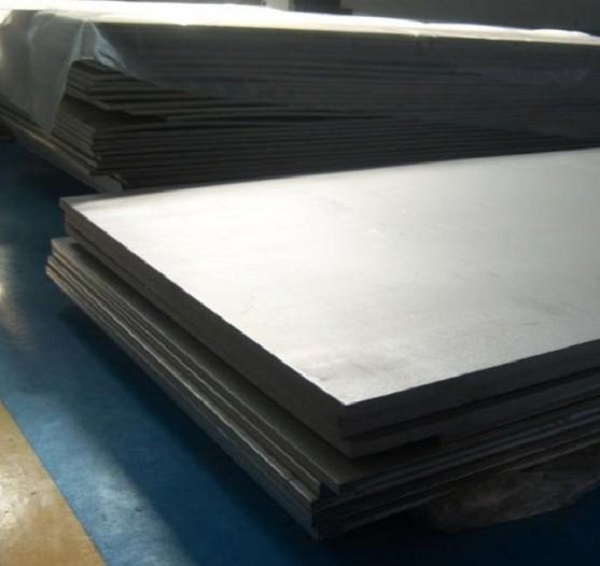
Brown sheet metal has become increasingly popular in recent years. You’ve likely seen it on modern farmhouses, rustic cabins, and sleek commercial buildings. But what exactly is it? Brown sheet metal is typically steel or aluminum with a durable brown coating. It offers a unique combination of natural appearance and industrial strength.
What Are Your Options in Brown Sheet Metal?
When we talk about brown sheet metal, we’re really discussing two components: the base metal that provides strength, and the finish that provides color and protection. The combination you choose affects appearance, durability, and cost.
Common base metals
Galvanized steel (G-90) is the most common choice. It has a steel core coated with zinc for corrosion protection. G-90 indicates a thicker, more protective zinc coating—the standard for rust prevention in most environments. It provides a strong, affordable base for painted finishes. Widely used for residential and agricultural buildings where good performance at reasonable cost matters.
Galvalume® steel offers enhanced long-term rust protection. The steel core receives a coating of zinc and aluminum alloy. The aluminum creates a strong barrier against corrosion, while zinc protects cut edges. This dual protection makes Galvalume significantly more corrosion-resistant than standard galvanized steel. Preferred for high-end roofing and projects in humid or coastal areas.
Aluminum is naturally corrosion-resistant, making it excellent for the toughest conditions, especially coastal environments with salt spray. It’s much lighter than steel, reducing structural load and easing installation. However, aluminum costs more than steel and is softer, making it more susceptible to denting from hail or impacts. Its main advantage: it cannot form red rust.
Finish options for brown color
Painted finishes are the most common way to achieve specific brown colors. Paint quality determines long-term appearance.
SMP (silicone-modified polyester) is a reliable, widely used paint system offering good performance at reasonable cost. The silicone-polyester blend provides solid color retention and durability. SMP finishes typically carry paint warranties covering chalking and fading for 20 to 30 years. Excellent value for sheds, barns, and budget-conscious home projects.
Kynar 500® / Hylar 5000® (PVDF) represents the gold standard for painted metal finishes. PVDF resin provides exceptional resistance to chemical damage and UV exposure. Colors and gloss retain remarkably well over time. Panels with Kynar 500® finishes carry premium warranties, often 30 to 40 years, promising minimal fading and chalking. The top choice for architectural projects, high-end homes, and any application where long-term color stability is critical.
Weathering steel (Corten) offers a completely different “living” finish. This steel alloy forms a stable, rust-like protective layer when exposed to weather. The coating starts as bright orange and gradually darkens over several years to a deep, rich, textured brown. It requires no paint or maintenance—the rust layer itself seals the steel from further corrosion. Key consideration: during initial weathering, it can produce rust-colored runoff that may stain nearby surfaces like concrete, stone, or stucco.
Other finishes: Powder coating applies dry powder electrostatically, then heat-cures to form a hard, durable finish. Excellent for smaller parts, trim pieces, or custom color jobs. Some manufacturers offer textured finishes mimicking wood grain or stucco, adding design flexibility.
Where Is Brown Sheet Metal Used?
Roofing and siding
As a building’s primary protective layer, metal is ideal for roofs and walls. Brown colors complement natural landscapes particularly well.
Residential and commercial roofing: Brown metal roofing offers exceptional longevity—often exceeding 50 years. It performs well in all climates, shedding snow easily, resisting high winds, and withstanding hail far better than traditional materials. Profile choices create different aesthetics. Standing seam panels with clean vertical lines and hidden fasteners provide a sharp, modern look. Corrugated or exposed-fastener panels in Corten-like brown offer classic, rustic appearance perfect for farmhouses or cabins. Many brown colors incorporate “cool roof” technology, reflecting solar heat to improve energy efficiency.
Exterior siding and cladding: Brown sheet metal works equally well as siding. It can serve as full exterior covering for a durable, low-maintenance building envelope. More often, it’s used as accent material to create visual interest and texture. Pairing dark brown vertical siding with light-colored stone or warm wood creates striking modern farmhouse aesthetics. Walls clad in horizontally-installed weathering steel panels provide powerful industrial-chic statements.
Interior and decorative uses
Brown sheet metal isn’t limited to exteriors. Bringing it inside adds texture, durability, and unique focal points.
Interior accent walls: A feature wall of brown metal panels can transform a space. In living rooms or home offices, dark brown textured panels add sophisticated, industrial feel. In restaurants or retail settings, walls of rustic, weathered-looking steel create warm, inviting atmospheres that are also incredibly durable and easy to clean.
Wainscoting and bar fronts: In high-traffic areas, brown sheet metal provides stylish, practical protection. Its tough surface resists scuffs, kicks, and spills far better than drywall or wood. Smooth dark brown panels create sleek looks; lightly corrugated panels add subtle texture and depth.
Landscaping and garden features: Weathering steel has become a landscape designer favorite. Its earthy, evolving coating blends perfectly with plants, stone, and wood. Commonly used for raised garden beds, landscape edging, and low retaining walls. When building Corten steel planters, add a waterproof liner inside. This slows weathering from the soil side, preventing premature rust and significantly extending planter life.
How Do Brown Metal Options Compare?
| Feature | Kynar® Painted Galvalume | SMP Painted Galvanized | A606-4 Weathering Steel (Corten) |
|---|---|---|---|
| Look | Crisp, uniform, modern color. Wide brown range. | Good uniform color. Slightly less vibrant. | Changing, rustic, textured coating. Deep orange to dark brown. |
| Durability | Excellent. 40+ year paint warranty. Superior base. | Good. 20–30 year paint warranty. Standard protection. | Excellent. Forms own protective layer. 50+ years. |
| Maintenance | Very low. Occasional cleaning. | Low. May show chalking/fading sooner. | Almost none. The “rust” is the protection. |
| Cost | High (premium) | Medium (budget-friendly) | High (premium) |
| Best for | High-end homes, commercial, coastal, color-critical | Sheds, barns, agricultural, budget-conscious | Architectural accents, landscaping, rustic/industrial looks |
| Key concern | Higher initial investment | Faster fading/chalking over lifespan | Rust runoff staining nearby surfaces during initial weathering |
This table highlights clear trade-offs. Kynar-painted Galvalume delivers ultimate performance and color stability, justifying premium cost for high-value projects. SMP-painted galvanized offers excellent balance of good looks and solid durability for tighter budgets. Weathering steel stands apart, offering unmatched aesthetic for those wanting dynamic, maintenance-free material who can accommodate its unique runoff characteristics.
Can You Install a Brown Metal Accent Wall Yourself?
One of the most accessible ways to use this material is building a brown metal accent wall. It adds immense character to a room and can be completed in a weekend with basic tools.
Tools and materials needed
Tools:
- Measuring tape and pencil
- Level and chalk line
- Metal snips (aviation snips) or circular saw with metal-cutting blade
- Drill/driver with magnetic hex head bit
- Color-matched self-tapping screws with EPDM washers
- Safety glasses and gloves
Materials:
- Your chosen brown sheet metal panels (corrugated or flat)
- J-channel or other trim pieces for edge finishing
- 1×3 or 1×4 wood furring strips (if attaching to drywall)
- Construction adhesive (optional, for added stability)
Step-by-step guide
1. Preparation: Measure your wall space carefully. Add 10% to material order to account for cuts and potential mistakes—cheaper than placing a second small order. If installing over drywall, use stud finder to locate studs. Attach vertical furring strips directly to studs. This provides solid, even surface for fastening panels.
2. Plan your layout: Before cutting, lay a panel on floor and decide on fastener pattern. Consistent, symmetrical pattern is secret to professional-looking installation. Measure and mark screw lines on panel to ensure consistency.
3. Make the cuts: For straight cuts across panels, circular saw with fine-toothed metal-cutting blade provides fastest, cleanest edge. For smaller notches, curves, or cutting around outlets, red (left-cutting) and green (right-cutting) aviation snips provide needed control. Pro tip: Always cut painted panels from the back side. This places any minor burrs or scratches on unseen surface, preserving perfect finish on front.
4. Install first panel: Start at one corner. Place first panel against furring strips and use level to ensure it’s perfectly plumb (vertical). This is most critical step. If first panel is crooked, every following panel will be as well. Once plumb, secure with color-matched screws, driving into furring strips. EPDM washer creates seal and protects paint.
5. Overlap and continue: Take next panel and overlap on top of first, following manufacturer’s specified rib overlap. Most corrugated panels interlock. Secure second panel by driving fasteners through both layers of metal into furring strip below. This ensures tight, secure connection. Continue across wall.
6. Finishing touches: Once main panels installed, add trim. Measure and cut J-channel trim to fit top, bottom, and side edges. Trim neatly slides over cut edges, hiding imperfections and giving project clean, framed, complete look.
How Much Does Brown Sheet Metal Cost?
Factors affecting price
Material and finish: This is the single biggest factor. Budget-friendly SMP painted finishes are most affordable. High-performance Kynar painted finishes and unique A606-4 weathering steel are both premium options, often with similar price points. Base material also matters: Galvalume costs more than standard galvanized.
Gauge (thickness): Lower gauge number = thicker, stronger, more expensive metal. 24-gauge costs more per square foot than 29-gauge. While 29-gauge suits some light-duty uses, 26-gauge and 24-gauge are common standards for residential and architectural projects requiring greater stiffness and impact resistance.
Panel profile: Simple, widely produced profiles like standard corrugated or Tuff-Rib generally cost less than complex architectural profiles. Standing seam panels require more detailed manufacturing and specialized installation—significant step up in material and labor cost.
Order size and trim: Economy of scale applies. Small custom orders have higher per-square-foot cost than large bulk orders. Remember: panels are only part of cost. Budget for all necessary trim pieces (ridges, valleys, corners, J-channels), color-matched screws, underlayment, and accessories.
Labor: If not DIY, professional installation is significant portion of total cost. Labor varies by region, project complexity, and installer experience. Standing seam installation is more labor-intensive and expensive than exposed-fastener systems.
Rough price ranges (materials only, 2024 estimates)
| Product | Price per square foot |
|---|---|
| SMP painted panels (29 gauge) | $2.50 – $4.50 |
| Kynar painted panels (26 or 24 gauge) | $4.00 – $7.00 |
| Weathering steel (Corten, 16–22 gauge) | $5.00 – $9.00+ |
Note: Estimates for materials only. Prices change based on steel market conditions, supplier, and location. Get detailed custom quotes from local suppliers for accurate costs.
How to write a spec that gets priced correctly
A drawing is a contract. If it leaves a number open, the shop fills that number in with its own default. The default is rarely the one you had in mind. Put these five lines on every RFQ and most of the back-and-forth disappears before it starts.
- Flat pattern or STEP file plus a dimensioned drawing
- Material grade and thickness with the standard number
- Bend radii, K-factor and the direction of the grain
- Finish, masking and which faces stay bare
- Quantity and the assembly sequence
The point is not paperwork. Each line removes a decision the shop would otherwise make for you. A complete RFQ comes back priced. An incomplete one comes back guessed.
What actually drives the price
Buyers usually push on material because it is the line they can see. In practice the material is rarely the biggest number on a quote. These five lines decide most of it:
- blank size and nesting efficiency
- number of bends and weld joints
- material grade and thickness
- finish and masking
- batch quantity
Ask for the quote split by line. A supplier who cannot break it down is guessing, and you will pay for the guess. The line you can usually renegotiate is the tolerance band, not the raw material.
Problems you will meet, and the fix
Every process has a failure mode it prefers. The same four show up again and again on this kind of work, and none of them are mysteries once you know what to look for.
- Stretching at a bend that is tighter than the material allows
- Hole distortion when a hole sits too close to a bend line
- Weld draw on a visible face
- Springback that pulls a formed angle out of tolerance
Catch the fault on the first part, not the hundredth. A first-article check costs an hour. A bad batch costs the whole order. Write the check into the purchase order so nobody has to remember it.
How Do You Choose the Right Brown Sheet Metal?
Ask these four questions:
1. What is my main goal: looks or longevity?
- If consistent, non-fading color for 40 years is top priority, Kynar finish is your best investment.
- If unique, changing, deeply textured rustic appearance is the point, Weathering Steel is the only choice.
- If you need solid, dependable, attractive brown finish for utility building or budget-conscious project, SMP provides excellent value.
2. What is my environment?
- Coastal area with salt spray or region with high humidity? Prioritize superior base material like Galvalume or naturally rust-proof aluminum.
3. What is my budget?
- Be realistic about total project cost. Don’t just look at per-square-foot panel price. Factor in trim, accessories, fasteners, and potential labor. Get multiple quotes.
4. What is my skill level (for DIY)?
- Exposed fastener panel systems are generally more forgiving and require fewer specialized tools than standing seam.
- If choosing Weathering Steel, have plan to manage rust runoff during initial weathering to protect surrounding surfaces.
Brown sheet metal has earned its place as a premier building material. It offers a rare combination of natural, earthy aesthetics with the high-performance, low-maintenance benefits of modern metal manufacturing. It’s both timeless and contemporary.
The “best” brown sheet metal is the one that aligns with your specific project goals. The choice balances excellent value of SMP, ultimate long-term performance of Kynar, and unmatched organic style of Weathering Steel. Armed with this knowledge, you’re ready to select the perfect brown sheet metal to bring your project to life.
Our solution for Brown Sheet Metal
YiguProto runs sheet metal fabrication in house, from a single prototype to a production batch. We quote the process, the material and the finish as separate lines, so you can see where the money goes instead of arguing with one number.
Send a STEP file or a drawing and you get a DFM report in one to two business days. It flags the features that add cost and the features that will not hold tolerance on the process you picked.
Every order ships with an inspection report on the features you call out. If a part misses, we make it again. Ready to price a part? Start with a free quote and DFM review, or read more about our sheet metal fabrication. You can also talk to an engineer before you commit to a drawing.
FAQ about Brown Sheet Metal
What files do you need in order to quote?
A STEP file plus a PDF drawing that carries the same revision letter. The model carries the geometry and the drawing carries the intent. When the two disagree, the shop picks one, and it is never the one you meant.
What is the lead time for Brown Sheet Metal?
Expect 3 to 7 business days after drawing release. Tooling, material stock and the finishing queue all move that number, so we confirm the date in writing before the run starts rather than after.
Is there a minimum order quantity?
No hard minimum. One part is fine. What changes with volume is which costs dominate, so a single unit is priced mostly on setup and a thousand units are priced mostly on cycle time and material.
How long does a first article take?
Usually a few business days once the drawing is frozen, and longer if tooling is involved. The date we give you is the date we confirm in writing, not the date we hope for.
What tolerance can you hold on Brown Sheet Metal?
The working default is ±0.2 mm on formed features, ±0.1 mm on laser-cut holes. Tighter than that the process changes and so does the price, because every step tighter adds inspection time. Call out only the faces that mate with something else and leave the rest on the general tolerance.
Can Brown Sheet Metal be made in small quantities?
Yes, and small quantities are where a good supplier earns the next order. Setup dominates the price at low volume, so the cheapest route is usually the one with the fewest operations, not the cheapest material.
The short version
Brown Sheet Metal rewards the buyer who reads the data sheet and the drawing together. Pick the option for the property that matters, not for the price per kilo.
Tighten only what mates. Test a sample before the run. Then let the process do the rest.