
Blogs
Our Fused Deposition Modeling (FDM) Services
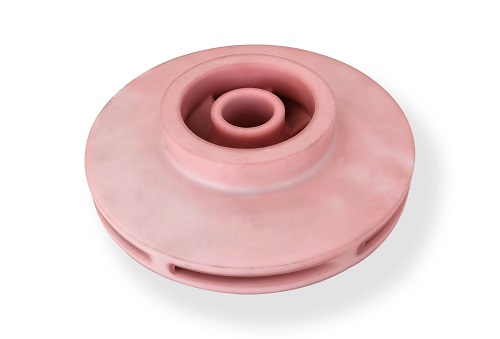
Our Fused Deposition Modeling (FDM) Services, explained the way we would explain it across a table: what it is good at, what it costs you, and the details that keep the part out of the scrap bin.
Key takeaways
- Unlock fast, cost-effective, and flexible 3D printingwith Fused Deposition Modeling (FDM)—the backbone of modern additive manufacturing processes.
- At our shop we leverage decades of FDM expertise to deliver tailored solutions that align with your project goals.
- Fused Deposition Modeling (FDM) is a leading 3D printing technology and additive manufacturing process that builds parts layer by layer.
- The FDM printing process follows a structured, repeatable workflow that ensures consistency across every part.
Our Fused Deposition Modeling (FDM) Services
Unlock fast, cost-effective, and flexible 3D printingwith Fused Deposition Modeling (FDM)—the backbone of modern additive manufacturing processes.
Whether you need custom prototypes, end-use parts, or scalable production, our in-house FDM services combine expert technical skills, diverse material options (from PLA to high-performance composites), and strict tolerance control to turn your ideas into reality. Trust our shop for reliable FDM solutions that meet industry demands across automotive, medical, and aerospace sectors.

Our FDM Capabilities & Service Offerings
At our shop we leverage decades of FDM expertise to deliver tailored solutions that align with your project goals. Our FDM printing capabilities cover everything from prototyping to end-use manufacturing, supported by in-house resources that ensure speed, quality, and consistency.
| Capability Area | Key Offerings | Technical Strengths |
| Custom Solutions | Custom FDM solutions for unique part designs (e.g., automotive brackets, medical devices) | Ability to adapt to complex geometries and tight deadlines |
| In-House Services | On-site FDM printing, design consultation, and post-processing | Reduced lead times (3–7 business days for standard orders) and quality oversight |
| Capacity | 24/7 production with 15+ industrial FDM machines | Monthly output of 5,000+ parts (varies by size and complexity) |
| Technical Skills | Toolpath optimization, material selection guidance, and tolerance calibration | Team of 8+ certified FDM engineers with 5+ years of industry experience |
Our FDM service offerings don’t end at printing—we also provide pre-production design reviews and post-processing support to ensure your parts meet your exact specifications.
What Is Fused Deposition Modeling (FDM)?
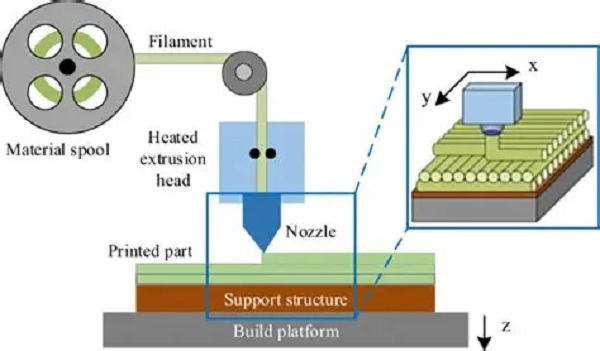
Fused Deposition Modeling (FDM) is a leading 3D printing technology and additive manufacturing process that builds parts layer by layer. The core FDM principle (or FDM mechanism) involves melting thermoplastic filaments and extruding them through a nozzle, which deposits the material onto a build platform following a pre-programmed path. Over time, these layers bond to form a solid, three-dimensional object.
At its heart, the FDM concept is simple yet powerful: it transforms digital designs into physical parts without the need for molds or tooling, making it ideal for rapid iteration and low-to-medium volume production. Unlike other 3D printing methods, FDM stands out for its accessibility, material variety, and ability to create large or complex geometries—all at a lower cost.
The FDM Printing Process: Step-by-Step Workflow
The FDM printing process follows a structured, repeatable workflow that ensures consistency across every part. Below is a breakdown of the key FDM production steps (or FDM build process):
- Design Preparation: Convert a 3D CAD model into a printable file (STL format) and use slicing software to define parameters like layer height, infill density, and print speed. This step is critical for optimizing FDM toolpath and ensuring part strength.
- Machine Setup: Load the chosen FDM filament (e.g., PLA, ABS) into the printer, calibrate the nozzle height and build platform, and preheat the system to the filament’s melting temperature.
- Layer-by-Layer Printing: The printer’s nozzle moves horizontally while extruding melted filament, depositing one layer at a time. Each layer cools and bonds to the one below it—this FDM layer-by-layer process is what gives FDM its Iconic flexibility.
- Post-Processing: Once printing is complete, remove the part from the build platform and perform FDM post-processing (e.g., sanding, painting) to enhance its surface finish and functionality.
This FDM operation process (or FDM manufacturing procedure) is highly automated, reducing human error and making it easy to scale production.
FDM Materials: Options, Properties, and Uses
Choosing the right FDM materials is key to achieving optimal part performance. FDM filaments range from common thermoplastics to high-strength composites, each with unique properties suited for specific applications.
| Material | Key Properties | Typical Applications |
| PLA (Polylactic Acid) | Biodegradable, low melting point (180–220°C), easy to print | Prototypes, consumer products (e.g., toys, household items), educational models |
| ABS (Acrylonitrile Butadiene Styrene) | High impact resistance, heat-resistant (80–100°C), durable | Automotive parts (e.g., interior trim), electronic enclosures, tool handles |
| PETG (Polyethylene Terephthalate Glycol) | Transparent, chemical-resistant, strong | Food-safe containers, display cases, mechanical parts (e.g., gears) |
| TPU (Thermoplastic Polyurethane) | Flexible, elastic, resistant to oil and grease | Gaskets, seals, phone cases, medical devices (e.g., prosthetic components) |
| Nylon | High tensile strength, wear-resistant, lightweight | Aerospace parts (e.g., brackets), industrial components (e.g., bearings) |
| Composite materials for FDM (e.g., carbon fiber-reinforced PLA) | Extra strength, stiffness, and heat resistance | High-performance parts (e.g., drone frames, racing components) |
Understanding FDM material properties (e.g., strength, temperature resistance, flexibility) helps us match your project to the best filament—ensuring your parts perform as intended.
FDM Surface Treatment: Enhancing Finish and Function
While FDM parts are functional right off the printer, FDM surface finishing (a key part of FDM post-processing) can improve their appearance, durability, and usability. Common FDM surface treatment techniques include:
- Sanding FDM prints: Using fine-grit sandpaper (200–800 grit) to smooth layer lines. This is ideal for parts where a matte finish is desired (e.g., prototypes, decorative items).
- Painting FDM parts: Applying acrylic or spray paint to add color or protect the surface. Priming the part first helps the paint adhere better and hides remaining layer lines.
- Coating FDM surfaces: Using epoxy resin or polyurethane coatings to create a glossy, waterproof finish. This is useful for parts exposed to moisture (e.g., outdoor fixtures).
- Polishing FDM models: Using compounds (e.g., rubbing alcohol for PLA) or heat guns (carefully!) to melt and smooth the surface. This technique works best for small, detailed parts.
Our team specializes in FDM surface enhancement—we’ll recommend the right method based on your material choice and end-use requirements.
FDM Applications Across Industries
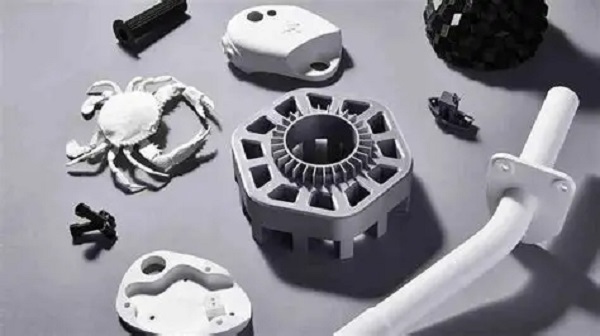
FDM applications span nearly every sector, thanks to its versatility, cost-effectiveness, and material flexibility. Below are key use cases in major industries:
- FDM in manufacturing: Production of jigs, fixtures, and custom tooling that speed up assembly lines. For example, a car manufacturer might use FDM to print lightweight, durable fixtures for holding parts during welding.
- FDM in automotive: Prototyping of interior components (e.g., dashboard knobs) and end-use parts like sensor housings. FDM’s ability to print with heat-resistant materials (e.g., ABS) makes it ideal for under-hood parts.
- FDM in aerospace: Creation of lightweight, high-strength parts (e.g., brackets, cable organizers) using composite materials. FDM reduces part weight by up to 30%, improving fuel efficiency for aircraft.
- FDM in medical: Production of custom medical devices (e.g., orthopedic insoles, surgical guides) and patient-specific models for pre-surgery planning. Biodegradable PLA is often used for temporary implants.
- FDM in consumer products: Manufacturing of personalized items like phone cases, jewelry, and home decor. FDM’s low cost lets brands offer custom designs without high price tags.
- FDM in education: Hands-on 3D printing projects for students, from engineering prototypes to art models. FDM teaches design thinking and manufacturing principles in a tangible way.
- FDM in architecture: Creation of detailed scale models of buildings and urban plans. FDM lets architects test spatial relationships and present ideas to clients more effectively.
- FDM in electronics: Printing of custom enclosures for sensors, routers, and other electronic devices. Materials like PETG provide chemical resistance to protect sensitive components.
FDM Case Studies: Real-World Success
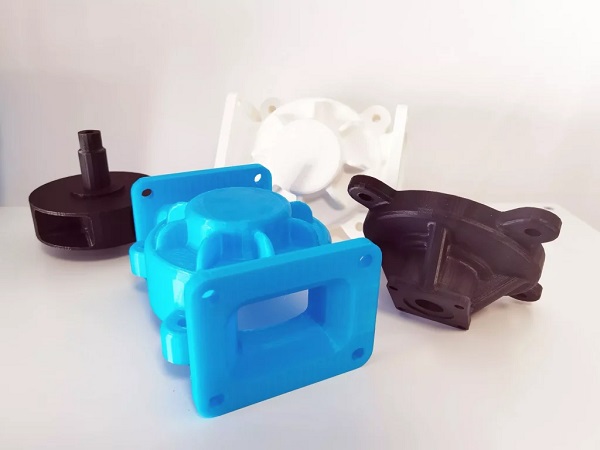
Our FDM case studies demonstrate how we’ve helped clients solve complex challenges and achieve their goals. Here are two examples:
Case Study 1: Automotive Prototyping for a Global Brand
A leading automotive company needed to prototype a new dashboard component quickly to test fit and functionality. Using FDM in manufacturing, we printed 10 ABS prototypes in 5 days (compared to 4 weeks with traditional methods). The parts met tight FDM tolerances (±0.2 mm) and were used to identify design flaws early—saving the client $50,000 in rework costs.
Case Study 2: Medical Device Production for a Local Clinic
A small medical clinic required custom surgical guides for orthopedic procedures. We used TPU (a flexible FDM material) to print 20 guides, each tailored to a patient’s anatomy. The guides improved surgical precision and reduced operation time by 30%. Post-processing (including sanding FDM prints and coating FDM surfaces) ensured the parts were sterile and durable.
These successful FDM projects highlight our ability to deliver FDM application examples that drive value for clients across industries.
Why Choose Our FDM Services?
When you partner with our shop for FDM services, you get more than just 3D printing—you get a reliable partner committed to your success. Here are the top reasons to choose our FDM services:
- Our FDM advantages: Decades of expertise, state-of-the-art machines, and a focus on quality control. We meet ISO 9001 standards for manufacturing, ensuring consistent results.
- Unique FDM offerings: Custom design support, rapid turnaround times (3–7 days for standard orders), and end-to-end post-processing. We also offer material testing to help you select the best filament for your project.
- Quality FDM solutions: Strict FDM tolerance control, regular machine calibration, and thorough quality checks for every part. We guarantee your parts will meet your specifications—or we’ll reprint them for free.
- Reliable FDM partners: A dedicated account manager who will guide you through every step of the process, from design to delivery. We’re available 24/7 to answer questions and address concerns.
FDM customer satisfaction: 98% of our clients report being “very satisfied” with our services, and 85% return for future projects. Our FDM value proposition is simple: deliver high-quality parts on time and within budget.
How to write a spec that gets priced correctly
A drawing is a contract. If it leaves a number open, the shop fills that number in with its own default. The default is rarely the one you had in mind. Put these five lines on every RFQ and most of the back-and-forth disappears before it starts.
- A model and a drawing that agree
- Material by standard number
- Tolerance only where it mates
- Finish and the faces it applies to
- Quantity and required date
The point is not paperwork. Each line removes a decision the shop would otherwise make for you. A complete RFQ comes back priced. An incomplete one comes back guessed.
What actually drives the price
Buyers usually push on material because it is the line they can see. In practice the material is rarely the biggest number on a quote. These five lines decide most of it:
- process choice
- material
- tolerance band
- finish
- volume
Ask for the quote split by line. A supplier who cannot break it down is guessing, and you will pay for the guess. The line you can usually renegotiate is the tolerance band, not the raw material.
Problems you will meet, and the fix
Every process has a failure mode it prefers. The same four show up again and again on this kind of work, and none of them are mysteries once you know what to look for.
- A drawing that contradicts the model
- A tolerance with no datum
- A cosmetic callout with no approved sample
- A quote compared against a different scope
Catch the fault on the first part, not the hundredth. A first-article check costs an hour. A bad batch costs the whole order. Write the check into the purchase order so nobody has to remember it.
What to check on the first article
The first article is the cheapest inspection you will ever buy. Use it properly and the rest of the run becomes boring, which is exactly what you want.
- Every dimension on the drawing, with the measured value written beside it.
- The material certificate, matched to the heat or lot number on the parts.
- The finish against the sample you approved, under the same light.
- Fit against the mating part, assembled rather than measured.
- Packaging, because parts that arrive damaged were never in tolerance.
Check in this order: datums, then mating features, then cosmetic faces. If the datums are wrong, every number after them is noise. Keep the report on file. When a problem shows up in month six, that document is the only thing that tells you what changed.
How to compare two quotes fairly
Two numbers are not comparable unless the scope matches. Line them up before you decide, because a low number with three gaps is not a low number.
Same drawing, same material, same finish, same inspection. Anything else is a different job wearing the same part number. Then look at what each quote leaves out. Freight, packaging, certificates and tooling are the usual gaps.
Ask each supplier to state their assumptions in writing. The one who does is usually the one who has run the process before.
Scaling from one part to a batch
The first part teaches you the process. The hundredth teaches you the process cost.
Watch three things as volume grows: setup amortisation, tool wear, and how much hand work the finish still needs. If the unit price barely moves between ten and a hundred, the cost sits in material or in hand work, not in setup. Ask which, because only one of them is negotiable.
Lead time behaves the same way. A one-off is scheduled around other jobs. A repeat order is scheduled around your forecast. Give the shop a forecast and the lead time gets shorter, not longer.
How to read a supplier's quote
A quote is a short document with a long shadow. Four things in it decide whether the job runs smoothly, and only one of them is the price.
- The scope line. It should name the process, the material and the finish, not just the part.
- The tolerance basis. General tolerance or the drawing, and which standard it follows.
- The exclusions. Tooling, freight, certificates and inspection are the usual omissions.
- The validity date. Material prices move, and an open-ended quote is a promise nobody can keep.
Read the exclusions before you read the total. A quote that leaves out tooling is not cheaper. It is a quote for a different job.
Fused Deposition Modeling (FDM) FAQ
Our solution for Our Fused Deposition Modeling (FDM)
YiguProto runs custom manufacturing in house, from a single prototype to a production batch. We quote the process, the material and the finish as separate lines, so you can see where the money goes instead of arguing with one number.
Send a STEP file or a drawing and you get a DFM report in one to two business days. It flags the features that add cost and the features that will not hold tolerance on the process you picked.
Every order ships with an inspection report on the features you call out. If a part misses, we make it again. Ready to price a part? Start with a free quote and DFM review, or read more about our custom manufacturing. You can also talk to an engineer before you commit to a drawing.
FAQ about Our Fused Deposition Modeling (FDM)
What is the typical lead time for FDM printing services?
Our standard lead time is 3–7 business days for most FDM projects. For urgent orders (e.g., prototyping for time-sensitive launches), we offer expedited services with lead times as short as 1–2 days—contact our team for details.
Can FDM parts be used for end-use applications, or are they only for prototyping?
FDM parts are absolutely suitable for end-use applications! With the right FDM materials (e.g., ABS, nylon, composites) and FDM surface treatment, parts can withstand wear, heat, and chemical exposure. We’ve supplied end-use FDM parts for automotive, medical, and aerospace clients.
How do you ensure FDM parts meet my tolerance requirements?
We use a three-step process for FDM tolerance control: (1) Pre-print calibration of machines (nozzle height, flow rate, platform level); (2) In-print monitoring to catch issues early; (3) Post-print inspection with precision tools (e.g., calipers, 3D scanners) to verify dimensions. We also share tolerance test reports for critical projects.
How do I compare two quotes fairly?
Match the scope first: same drawing, same material, same finish, same inspection. Then read the exclusions. Freight, tooling and certificates are the usual gaps, and a low number with three gaps is not a low number.
How much does Our Fused Deposition Modeling (FDM) cost?
Price comes from five lines: material, machine or tool time, setup, finishing and inspection. The material itself is usually the smallest of them. Send a drawing and we will split the quote so you can see which line is doing the damage.
Does the process work for prototypes as well as production?
Yes, and that is usually the point. Running the prototype on the production process removes a whole class of surprises, because the part you test is made the same way as the part you sell.
The short version
Our Fused Deposition Modeling (FDM) rewards the buyer who reads the data sheet and the drawing together. Pick the option for the property that matters, not for the price per kilo.
Tighten only what mates. Test a sample before the run. Then let the process do the rest.