
3D Printing
What Materials Work for Additive Manufacturing? A Full Practical Guide
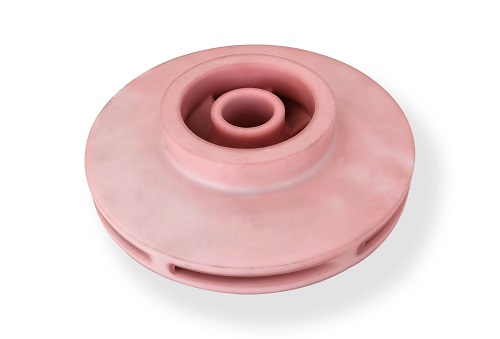
Additive manufacturing (AM), or 3D printing as most people call it, is changing how we make parts—from small prototypes to big industrial components. But if you’re new to AM or looking to improve your projects, one question always comes first: what materials can you actually use? The right material doesn’t just make your project work; it makes it better—cheaper, stronger, or more suited to its job.
Key takeaways
- Choosing a material isn’t just about picking something “strong” or “cheap.” It means matching the material’s properties to your project’s needs.
- The AM material world is changing fast. New innovations are making 3D printing more versatile, sustainable, and powerful.
- Additive manufacturing materials are the backbone of any successful 3D printing project.
- Q1: What’s the cheapest AM material? PLA is the cheapest common material, costing $20–$50 per kilogram.
What Are the Main AM Material Types?
Not every 3D printing material works with every machine. Your choice depends on two things: your AM method (like FDM or SLM) and your project goals (like durability or cost). Below are the six most common material categories, with all the details you need to use them right.
Why Use Thermoplastics?
Thermoplastics are the most used materials in AM—and for good reason. They’re cheap, easy to work with, and flexible. They soften when heated and harden when cooled, which makes them perfect for extrusion-based AM methods like Fused Deposition Modeling (FDM). Most hobbyists and small businesses start with thermoplastics because they’re forgiving and versatile.
A key fact: thermoplastics make up about 60% of all AM materials (Source: Wohlers Report 2024). That means if you’re working on a standard project, a thermoplastic is probably your best bet. Below are the most common types, with real-world uses.
| Thermoplastic Type | Key Properties | Common Uses | Real Case |
|---|---|---|---|
| PLA (Polylactic Acid) | Low cost, biodegradable, easy to print | Prototypes, toys, packaging | A small design studio used PLA to print 50+ prototypes for a new kitchen gadget in 3 days. This cut costs by 70% compared to traditional machining. |
| ABS (Acrylonitrile Butadiene Styrene) | Impact-resistant, heat-resistant (up to 90°C) | Automotive parts, electronic enclosures | A car maker used ABS to print custom dashboard brackets for a limited-edition model. Lead time dropped from 4 weeks to 2 days. |
| PETG (Polyethylene Terephthalate Glycol) | Strong, chemical-resistant, food-safe | Water bottles, medical devices, outdoor parts | A startup printed food-safe PETG containers for meal kits. They met FDA standards while keeping production costs low. |
| Nylon (Polyamide) | High strength, flexible, wear-resistant | Gears, hinges, industrial components | An aerospace supplier used nylon to print lightweight gear parts for a drone. Part weight dropped by 30% without losing durability. |
When to Choose Metals?
Metal 3D printing is for projects that need strength and performance. It’s changing industries like aerospace, healthcare, and automotive because it makes complex, lightweight parts that traditional manufacturing can’t. The main AM methods for metals are Selective Laser Melting (SLM) and Direct Metal Laser Sintering (DMLS).
Metals cost more than plastics, but they last longer for high-stress jobs. Below are the most common metal types used in AM.
- Titanium Alloys: These are biocompatible (safe for the human body) and resist corrosion. They’re used for medical implants and aerospace parts. Case: A hospital worked with an AM company to print custom titanium hip implants for 12 patients. Surgery time fell by 45%, and patients recovered faster.
- Aluminum Alloys: Lightweight (1/3 the weight of steel) and strong. They’re used for automotive frames and aerospace parts. Fact: Boeing uses aluminum AM parts in its 787 Dreamliner, cutting the plane’s weight by 150 pounds (Source: Boeing 2024 Sustainability Report).
- Stainless Steel: Resists corrosion and is durable. It’s used for industrial tools and food-processing equipment. Case: A food maker printed stainless steel nozzles for its production line. Maintenance costs dropped by 30% because the parts lasted 3x longer than machined ones.
- Cobalt-Chromium Alloys: Heat-resistant and strong. They’re used for dental crowns and turbine blades. Fact: Over 50% of dental crowns in Europe are now 3D-printed with these alloys (Source: European Dental Association 2024).
Are Resins Good for Precision?
Yes—photopolymers (or resins) are liquid materials that harden when hit by UV light or a laser. They’re used in Stereolithography (SLA) and Digital Light Processing (DLP), which make ultra-detailed parts with smooth surfaces. Resins are great for projects where looks and precision matter most.
| Resin Type | Key Properties | Common Uses | Real Case/Fact |
|---|---|---|---|
| Standard Resins | Low cost, good detail | Prototypes, jewelry, figurines | A jewelry designer used standard resin to print 100+ custom necklace pendants. Customers chose designs and got products in 48 hours. |
| Engineering Resins | Heat-resistant, strong | Functional parts (gears, electronic housings) | Fact: Engineering resins can handle temperatures up to 200°C, making them good for under-the-hood car parts (Source: Formlabs 2024 Material Guide). |
| Biocompatible Resins | Safe for skin/tissue contact | Dental models, medical device prototypes | A dental clinic printed biocompatible resin models of patients’ teeth. This cut down on messy impressions and made treatment planning easier. |
Do Ceramics Have a Place in AM?
Ceramics are less common than plastics or metals in AM, but they’re essential for jobs that need extreme heat resistance or biocompatibility. They’re used in methods like Ceramic Stereolithography (CerSLA) and Selective Laser Sintering (SLS). Ceramics are brittle, but their unique properties make them irreplaceable for some projects.
- Alumina: Handles high heat (up to 2000°C) and insulates electricity. It’s used for industrial furnace parts and electrical components. Fact: A power plant used 3D-printed alumina parts in its furnaces. Maintenance intervals went from 6 months to 2 years (Source: Energy Industry Report 2024).
- Zirconia: Biocompatible and strong. It’s used for dental crowns and hip implant parts. Case: A dental lab printed zirconia crowns that matched patients’ natural teeth better. Customer satisfaction rose by 25%.
- Silicon Carbide: Ultra-hard and heat-resistant. It’s used for aerospace turbine parts and cutting tools.
Why Use Composites?
Composites are made by mixing two or more materials (like plastic and carbon fiber) to get better properties than either alone. In AM, they’re often called “filled” materials (e.g., carbon fiber-filled PLA). They’re perfect for projects that need strength and light weight without the high cost of metals.
- Carbon Fiber-Filled Plastics: Stronger and stiffer than pure plastics. They’re used for drone frames, bike parts, and car components. Case: A bike maker printed carbon fiber-filled nylon handlebars. Weight dropped by 20%, and strength went up by 15%.
- Glass Fiber-Filled Plastics: Cheaper than carbon fiber, with good strength. They’re used for industrial brackets and consumer goods. Fact: Glass fiber-filled materials can cut part weight by up to 10% vs. pure plastics (Source: Stratasys 2024 Material Report).
- Metal Matrix Composites (MMCs): Mix metal and ceramic (e.g., aluminum + silicon carbide). They’re used for high-temperature aerospace parts.
Are Sustainable Materials Viable?
As more companies focus on sustainability, AM materials made from renewable sources are becoming more popular. These materials cut waste and carbon footprints, and they often cost less than traditional options. They’re perfect for eco-friendly projects or businesses looking to reduce their impact.
- Bio-PLA: Made from corn starch or sugarcane (not petroleum). It’s biodegradable and used for packaging, disposable products, and prototypes. Case: A packaging company used bio-PLA to print compostable food containers. Carbon emissions dropped by 40% vs. plastic containers.
- Recycled Thermoplastics: Made from plastic waste (e.g., PET bottles). They’re used for low-stress parts like planters or decor. Fact: Using recycled plastics in AM can cut material costs by up to 30% (Source: Circular Economy Institute 2024).
- Algae-Based Resins: Made from algae (a renewable resource). They’re biodegradable and used for prototypes and art projects.
How to Pick the Right AM Material?
Choosing a material isn’t just about picking something “strong” or “cheap.” It means matching the material’s properties to your project’s needs. Follow these four simple steps to make the right choice every time.
Step 1: Define Your Goals
Start by asking yourself these questions:
- Is the part functional (like a gear) or decorative (like a figurine)?
- Will it be exposed to heat, moisture, or chemicals?
- Does it need to be lightweight (aerospace) or heavy-duty (industrial tools)?
- What’s your budget?
Example: If you’re printing a water bottle prototype, pick food-safe PETG—not a heat-resistant metal. The metal would be overkill and too expensive.
Step 2: Match Material to AM Tech
Not all materials work with every 3D printer. Here’s a quick guide:
- FDM printers: Use thermoplastics (PLA, ABS, PETG).
- SLA/DLP printers: Use resins.
- SLM/DMLS printers: Use metals.
Common Mistake: Trying to print metal on an FDM printer. It won’t work—FDM machines can’t get hot enough to melt metal. Always check your printer’s material compatibility first.
Step 3: Think About Post-Processing
Some materials need extra work after printing (like sanding or curing) to look or perform their best. For example:
- Resin parts: Need washing in isopropyl alcohol and UV curing.
- Metal parts: May need sanding to remove rough edges.
Tip: If you’re short on time, choose materials that need minimal post-processing (like PLA, which is often smooth right off the printer).
Step 4: Check Industry Standards
If you work in a regulated industry (healthcare, aerospace), your material must meet specific standards. For example:
- Medical implants: Must be biocompatible (FDA-approved).
- Aerospace parts: Must meet ASTM or ISO strength standards.
Case: A medical device company had to switch from standard PLA to biocompatible resin for a surgical tool prototype. The standard PLA didn’t meet FDA rules.
What’s Next for AM Materials?
The AM material world is changing fast. New innovations are making 3D printing more versatile, sustainable, and powerful. Here are three key trends to watch in the coming years.
Smart Materials on the Rise?
Smart materials (or “responsive materials”) change properties when exposed to heat, light, or moisture. They’re opening up new possibilities for AM:
- Shape-Memory Alloys (SMAs): These can “remember” their original shape and return to it when heated. They’re used for self-healing aerospace parts—if a part bends, heating it fixes it.
- Hydrogels: These water-absorbing polymers are used in medical wound dressings that expand to fit the wound.
Fact: The global smart materials market for AM is set to grow by 28% every year through 2030 (Source: Grand View Research 2024).
Sustainability Becomes Standard?
More companies are focusing on circularity (reusing and recycling materials) to cut waste. Examples include:
- Recycled Metal Powders: In metal AM, unused powder can be collected and reused, cutting waste by up to 90% (Source: Metal AM Magazine 2024).
- Biodegradable Composites: Materials like hemp-filled PLA that break down in compost, perfect for packaging.
Case: A furniture company now uses 100% recycled PETG to print custom chair legs. This cut its plastic waste by 50% and attracted eco-conscious customers.
Custom Material Blends?
New AM tech lets manufacturers create “tailored” materials—blends of two or more substances designed for a specific job. For example:
- An aerospace company made a custom aluminum-titanium blend. It’s lighter than aluminum and stronger than titanium, perfect for jet engine parts.
- A sports brand blended carbon fiber with a flexible polymer to make bike frames that are strong and shock-absorbent.
Additive manufacturing materials are the backbone of any successful 3D printing project. From cheap, easy-to-use thermoplastics to high-performance metals and precision resins, there’s a material for every goal and budget. The key is to match the material’s properties to your project’s needs—whether that’s strength, sustainability, precision, or cost. By following the steps in this guide, you can avoid common mistakes and choose a material that makes your project work better. And as trends like smart materials and sustainability grow, the future of AM materials will only get more exciting. Whether you’re a hobbyist, a small business owner, or an industrial engineer, understanding these materials is the first step to unlocking the full potential of 3D printing.
How to write a spec that gets priced correctly
A drawing is a contract. If it leaves a number open, the shop fills that number in with its own default. The default is rarely the one you had in mind. Put these five lines on every RFQ and most of the back-and-forth disappears before it starts.
- File format and units, with the model exported in millimetres
- Process and material grade, not a trade name
- Critical features and the tolerance each one needs
- Surface finish and the faces it applies to
- Quantity for the pilot build and for the year
The point is not paperwork. Each line removes a decision the shop would otherwise make for you. A complete RFQ comes back priced. An incomplete one comes back guessed.
What actually drives the price
Buyers usually push on material because it is the line they can see. In practice the material is rarely the biggest number on a quote. These five lines decide most of it:
- build volume and orientation
- layer height and support structure
- material grade and colour
- post-processing and hand finishing
- quantity per build plate
Ask for the quote split by line. A supplier who cannot break it down is guessing, and you will pay for the guess. The line you can usually renegotiate is the tolerance band, not the raw material.
Problems you will meet, and the fix
Every process has a failure mode it prefers. The same four show up again and again on this kind of work, and none of them are mysteries once you know what to look for.
- Warping on long flat faces where the part lifts off the plate
- Layer lines showing through a cosmetic surface
- Support scars on a mating face nobody flagged
- Dimensional drift on thin walls after cooling
Catch the fault on the first part, not the hundredth. A first-article check costs an hour. A bad batch costs the whole order. Write the check into the purchase order so nobody has to remember it.
FAQ: Common AM Material Questions
Q1: What’s the cheapest AM material? PLA is the cheapest common material, costing $20–$50 per kilogram. It’s great for hobbyists, students, and low-stress prototypes.
Q2: Can I use recycled materials in 3D printing? Yes! Recycled thermoplastics (PET, ABS) and metal powders are easy to find. Just check that the recycled material works with your printer—impurities can hurt print quality.
Q3: Are 3D-printed metal parts as strong as machined ones? In most cases, yes—sometimes stronger. SLM/DMLS metal parts are 99.9% dense (for titanium) and have uniform strength. Fact: 3D-printed stainless steel has a tensile strength of 550 MPa, vs. 500 MPa for machined stainless steel (Source: ASTM International 2024).
Q4: What’s the most biocompatible AM material? Titanium alloys and certain resins (like Formlabs BioMed Resin) are the most biocompatible. They’re FDA-approved for medical implants like hip replacements and dental crowns.
Q5: Can I mix different materials in one print? Some printers (like dual-extruder FDM machines) let you mix two thermoplastics (e.g., PLA and TPU for flexible-rigid parts). Mixing metals or resins is harder and needs special equipment.
How we can help
YiguProto runs 3D printing in house, from a single prototype to a production batch. We quote the process, the material and the finish as separate lines, so you can see where the money goes instead of arguing with one number.
Send a STEP file or a drawing and you get a DFM report in one to two business days. It flags the features that add cost and the features that will not hold tolerance on the process you picked.
Every order ships with an inspection report on the features you call out. If a part misses, we make it again. Ready to price a part? Start with a free quote and DFM review, or read more about our 3D printing. You can also talk to an engineer before you commit to a drawing.
Frequently asked questions
What happens if a part is out of specification?
We measure it against the same drawing you approved and, if it misses, we make it again. What matters is that the report exists, because a disagreement without data is just an opinion.
What material should I specify?
Specify by standard, not by trade name. A trade name can change under you between two orders; a standard number cannot. Then add the one property that actually decides the part, whether that is strength, heat resistance or chemical exposure.
How long does a first article take?
Usually a few business days once the drawing is frozen, and longer if tooling is involved. The date we give you is the date we confirm in writing, not the date we hope for.
Is there a minimum order quantity?
No hard minimum. One part is fine. What changes with volume is which costs dominate, so a single unit is priced mostly on setup and a thousand units are priced mostly on cycle time and material.
Does the process work for prototypes as well as production?
Yes, and that is usually the point. Running the prototype on the production process removes a whole class of surprises, because the part you test is made the same way as the part you sell.
What files do you need in order to quote?
A STEP file plus a PDF drawing that carries the same revision letter. The model carries the geometry and the drawing carries the intent. When the two disagree, the shop picks one, and it is never the one you meant.
The short version
Good parts reward the buyer who reads the data sheet and the drawing together. Pick the option for the property that matters, not for the price per kilo.
Tighten only what mates. Test a sample before the run. Then let the process do the rest.