
Blogs
Our Polyurethane PU Injection Molding Services
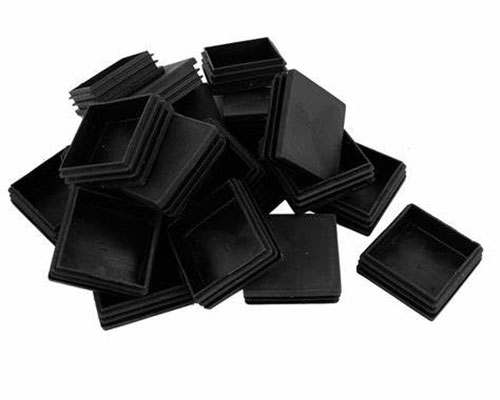
Our Polyurethane PU Injection Molding Services, explained the way we would explain it across a table: what it is good at, what it costs you, and the details that keep the part out of the scrap bin.
Key takeaways
- Elevate your components with our PolyurethaneInjection Molding services—where versatile thermoset polyurethane meets tailored liquid injection molding (LIM) and reaction injection molding (RIM) solutions.
- At our shop, our PU Injection Molding Capacity covers every stage of production, from prototyping to mass manufacturing.
- PolyurethaneInjection Molding(often called PU Molding) is a manufacturing process that transforms liquid polyurethane (PU) materials into custom-shaped parts.
- The Polyurethane Molding Steps vary slightly by method (RIM vs. LIM) but follow a core sequence focused on precise mixing and controlled curing.
Our Polyurethane PU Injection Molding Services
Elevate your components with our PolyurethaneInjection Molding services—where versatile thermoset polyurethane meets tailored liquid injection molding (LIM) and reaction injection molding (RIM) solutions.
From flexible footwear midsoles to rigid automotive fascias, we deliver precision, durability, and design freedom that outperforms rubber and metal, backed by decades of PU chemistry expertise.

Our Capabilities: Mastering PU Injection Molding Solutions
At our shop, our PU Injection Molding Capacity covers every stage of production, from prototyping to mass manufacturing. We specialize in both RIM Molding and LIM Molding, plus advanced techniques to meet complex project demands. Here’s a detailed breakdown of our core capabilities:
Core Capabilities Overview
| Capability | Description | Key Benefits | Ideal For |
| RIM Molding | Low-pressure process for large, thick-walled parts (up to 2m in length); uses two-component PU systems | Reduces material waste (3–5% vs. 10–15% for thermoplastics); cost-effective for big parts | Automotive bumper fascias, construction panels |
| LIM Molding | Medium-pressure process for small, precise parts; uses pre-metered liquid PU | Fast cycle times (10–30s); tight tolerances (±0.02mm); ideal for high-volume runs | Medical device housings, electronic encapsulation |
| Low-Pressure Molding | Gentle injection (5–30 bar) for parts with delicate inserts (e.g., electronics) | Prevents damage to sensors/wiring; improves part integrity | Encapsulated circuit boards, smart device components |
| High-Pressure Molding | 150–200 bar injection for dense, high-strength parts | Creates parts with superior abrasion resistance; suitable for load-bearing use | Industrial rollers, heavy-duty seals |
| Prototype to High-Volume | Seamless scaling from 1–100 prototypes to 100,000+ monthly parts | Validates designs fast; avoids production disruptions during scaling | Startup product launches, seasonal consumer goods |
| Multi-Shot Molding | Injects two PU grades (e.g., rigid + flexible) in one cycle | Creates parts with mixed properties (e.g., soft-touch grips on hard housings) | Sports padding, tool handles |
| Precision Tooling | In-house design of aluminum/steel molds with conformal cooling | Reduces cure time by 20–30%; ensures consistent part quality | All high-precision applications (medical, electronics) |
| In-House Design & Engineering | 3D modeling (CAD/CAM) and simulation to optimize part/mold design | Eliminates design flaws early; cuts lead times by 15% | Custom projects with unique geometries |
| Tight-Tolerance Molding | CNC-controlled machines for parts with ±0.01mm tolerance | Meets strict industry standards (e.g., medical, aerospace) | Miniature medical components, precision seals |
Our team’s deep expertise in PU Injection Moldingensures we select the right process for your project—whether you need a single prototype or a million parts monthly.
Definition: Understanding Polyurethane Injection Molding
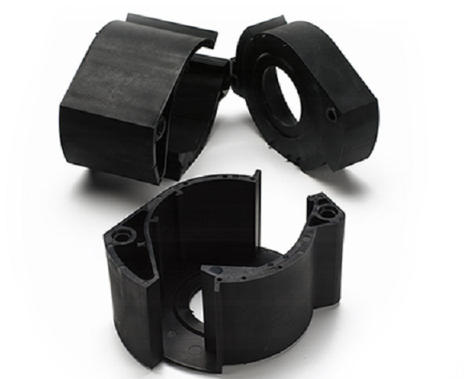
PolyurethaneInjection Molding(often called PU Molding) is a manufacturing process that transforms liquid polyurethane (PU) materials into custom-shaped parts. Unlike thermoplastics, PU is a thermoset polyurethane—it cures (hardens permanently) when reactive components mix, making it ideal for parts needing flexibility, durability, or insulation. Two primary methods dominate this field: RIM vs LIM (Reaction Injection Molding vs. Liquid Injection Molding), each suited to different applications. Below are key technical specifications that define quality PU injection molding:
| Technical Specification | RIM Standard Range | LIM Standard Range | Key Purpose |
| Mix Ratio (Isocyanate:Polyol) | 1:1 to 2:1 | 1:1 (fixed) | Ensures proper curing and material properties |
| Mold Temperature | 40–60°C | 80–120°C | Accelerates curing; improves part surface finish |
| Injection Pressure | 5–50 bar (low-pressure) | 50–200 bar (medium-pressure) | Fills mold without damaging delicate inserts |
| Cure Time | 30–120 seconds | 10–30 seconds | Balances production speed and part strength |
| Shore Hardness (Finished Part) | Shore A 30 – Shore D 60 | Shore 00 10 – Shore A 90 | Matches part flexibility/stiffness to application needs |
In short, Polyurethane Injection Molding leverages PU’s unique chemistry to create parts that blend strength, flexibility, and design versatility—filling gaps where traditional materials fall short.
Process: Step-by-Step Polyurethane Injection Molding
The Polyurethane Molding Steps vary slightly by method (RIM vs. LIM) but follow a core sequence focused on precise mixing and controlled curing. Below is a universal breakdown of the process, optimized for quality and efficiency:
- Meter-Mix-Dispense: The foundation of PU molding—two reactive components (isocyanate and polyol, from TDI/MDI Prepolymers or polyether/polyester polyols) are measured in exact ratios (via computer-controlled meters) and mixed in a static/dynamic mixer. For RIM, mixing happens at low pressure; for LIM, it’s pre-metered to ensure consistency.
- Mold Preparation: The mold (aluminum for prototypes, steel for high-volume) is preheated to the target temperature (40–120°C) and coated with a release agent (to prevent sticking). If the part has inserts (e.g., metal threads, electronics), they’re placed in the mold cavity at this stage.
- Mold Clamping: The mold is closed and clamped with enough force to resist injection pressure (5–200 bar). Clamping force depends on part size—large RIM parts need 50–200 tons of force; small LIM parts need 5–50 tons.
- Injection & Curing Cycle: The mixed PU is injected into the mold cavity. For RIM, low pressure ensures even filling of large cavities; for LIM, faster injection works for small parts. The curing cycle begins immediately—PU reacts chemically (not just cools) to harden. Cure time varies: 10–30s for LIM, 30–120s for RIM.
- Demolding: Once cured, the mold opens, and the part is removed (manually for large RIM parts, automatically for small LIM parts). No cooling step is needed (unlike thermoplastics) because curing generates heat.
- Post-Curing (If Needed): For parts requiring maximum strength (e.g., load-bearing industrial components), post-curing in an oven (60–80°C for 1–2 hours) enhances chemical cross-linking. This step boosts abrasion resistance by 15–20%.
- Quality Checks: Every part undergoes inspection—dimensional testing (via calipers/CMM), hardness testing (Shore durometer), and visual checks (for bubbles, flash, or defects). Failed parts are recycled (PU is 100% recyclable into regrind for non-critical parts).
- Process Optimization: We analyze cycle times, material usage, and defect rates monthly to tweak parameters (e.g., mix ratio, mold temperature) for better efficiency. This keeps costs low and quality high.
Materials: Choosing the Right PU for Your Project
PU Systems are highly customizable, with formulations tailored to specific hardness, flexibility, and performance needs. The choice depends on your part’s function—whether it needs to flex, insulate, or resist impact. Below is a guide to common PU materials and their applications:
| PU Type | Key Components | Shore Hardness Range | Key Properties | Recommended Applications |
| Flexible PU | Polyether polyols + TDI prepolymer | Shore A 20 – Shore A 80 | High elasticity, impact resistance, soft touch | Footwear midsoles, sports padding, seat cushions |
| Rigid PU | Polyester polyols + MDI prepolymer | Shore D 40 – Shore D 70 | High stiffness, thermal insulation, low weight | Construction panels, refrigeration insulation, automotive structural parts |
| Foam PU | PU systems with blowing agents | Density: 10–80 kg/m³ | Lightweight (40–60% lighter than solid PU), sound absorption | Packaging inserts, acoustic panels, furniture cushions |
| Microcellular PU | PU systems with micro-blowing agents | Shore A 30 – Shore A 90 | Dense yet lightweight; mimics rubber but more durable | Seals & gaskets, industrial rollers, O-rings |
| Bio-Based PU | Plant-derived polyols (soybean/castor oil) + isocyanate | Shore A 40 – Shore D 50 | Eco-friendly (30–50% renewable content); similar performance to traditional PU | Sustainable consumer goods, outdoor gear (e.g., hiking boot soles) |
| Filled/Reinforced PU | PU + glass fibers/carbon black | Shore D 50 – Shore D 80 | High tensile strength (20–30% stronger than standard PU); abrasion resistance | Heavy-duty industrial parts, marine components, load-bearing rollers |
Material Selection Guide
- Define Core Needs: List your part’s must-have properties (e.g., “needs to resist oil” or “must be soft to the touch”).
- Match to PU Type: Use the table above to narrow options (e.g., oil resistance = polyester-based PU; soft touch = flexible polyether PU).
- Test Prototypes: We create 3–5 prototypes with different PU grades to validate performance (e.g., impact testing for sports gear).
- Optimize for Cost: For high-volume runs, we recommend standard grades (e.g., polyether flexible PU) to keep costs low; for specialized needs (e.g., medical), we use FDA-compliant formulations.
We source PU materials from top suppliers (e.g., BASF, Covestro) to ensure consistency—every batch meets ISO 9001 standards for purity and performance.
Advantages: Why Polyurethane Injection Molding Outperforms Other Methods
PU Molding Benefits make it a top choice for industries ranging from automotive to medical. Compared to rubber, metal, and thermoplastics, PU offers a unique blend of flexibility, strength, and cost-effectiveness:
- Design Freedom: PU flows easily into complex molds (even with undercuts, thin walls, or intricate details) that metal/rubber can’t match. Multi-Shot Molding adds more versatility—create parts with mixed hard/soft zones in one step. This is ideal for custom components (e.g., ergonomic tool handles).
- Thick-Wall Parts Made Easy: Unlike thermoplastics (which warp when thick), PU cures uniformly—perfect for large, thick-walled parts (e.g., automotive bumper fascias, 50mm thick) without shrinkage or defects. RIM molding makes these parts cost-effective, too.
- Lightweight: PU parts are 30–50% lighter than metal and 10–20% lighter than rubber. For automotive applications, this cuts fuel consumption by 2–3% per vehicle; for portable medical devices, it improves user comfort.
- Superior Impact & Abrasion Resistance: Flexible PU absorbs impacts (it bounces back after being compressed 50%)—better than rubber for high-impact parts (e.g., sports padding). Reinforced PU resists abrasion 2x better than thermoplastics, making it ideal for industrial rollers.
- Chemical & Environmental Resistance: PU resists oils, solvents, and extreme temperatures (-40°C to 120°C). It also stands up to UV radiation (with UV-resistant coating) and humidity—perfect for outdoor/marine parts.
- Thermal Insulation: Rigid PU has an R-value (insulation) of 3.6–4.0 per inch—better than fiberglass (R-3.2) and foam plastic (R-2.8). This makes it the top choice for refrigeration, construction, and HVAC parts.
- Short Lead-Time: PU tooling (aluminum molds) is cheaper and faster to make (2–4 weeks vs. 6–8 weeks for steel thermoplastic molds). LIM molding’s fast cycle times (10–30s) also speed up production.
- Cost vs Rubber/Metal: PU parts cost 15–20% less than rubber (no vulcanization needed) and 30–40% less than metal (fewer secondary operations like machining). Low-Cost Tooling for RIM/LIM further reduces upfront costs.
Applications Industry: Where PU Injection Molding Excels
PU Injection Molding Uses span nearly every industry, thanks to PU’s adaptability. Below are key sectors and their most common PU components:
| Industry | Key Applications | PU Type Used | Critical Properties Leveraged |
| Automotive | Bumper fascias, door panels, seat cushions, suspension bushings | Rigid PU (fascias), flexible PU (cushions), microcellular PU (bushings) | Lightweight, impact resistance, cost-effectiveness |
| Medical Devices | Device housings, patient cushions, surgical tool grips, encapsulation for electronics | FDA-compliant flexible PU, rigid PU (housings), microcellular PU (cushions) | Biocompatibility, soft touch, chemical resistance |
| Electronics | Circuit board encapsulation, connector seals, device grips, thermal insulation pads | LIM-molded flexible PU, rigid PU (insulation), microcellular PU (seals) | Electrical insulation, tight tolerances, impact protection |
| Industrial | Conveyor rollers, pump seals, gaskets, wear pads, vibration dampeners | Filled/reinforced PU (rollers), microcellular PU (seals), rigid PU (dampeners) | Abrasion resistance, load-bearing strength, vibration absorption |
| Sports & Recreation | Helmet liners, padding for gear (football, hockey), footwear midsoles, bike grips | Flexible PU (padding), foam PU (liners), microcellular PU (grips) | Impact absorption, comfort, durability |
| Footwear | Running shoe midsoles, boot soles, sandal straps, orthotic insoles | Flexible polyether PU (midsoles), foam PU (insoles), filled PU (soles) | Cushioning, shock absorption, slip resistance |
For example, in automotive manufacturing, our RIM Molding produces bumper fascias that are 40% lighter than metal, while in medical devices, our LIM Molding creates precision housings that meet FDA Class I/II standards.
How to write a spec that gets priced correctly
A drawing is a contract. If it leaves a number open, the shop fills that number in with its own default. The default is rarely the one you had in mind. Put these five lines on every RFQ and most of the back-and-forth disappears before it starts.
- A model and a drawing that agree
- Material by standard number
- Tolerance only where it mates
- Finish and the faces it applies to
- Quantity and required date
The point is not paperwork. Each line removes a decision the shop would otherwise make for you. A complete RFQ comes back priced. An incomplete one comes back guessed.
Case Studies: Real-World Success with PU Injection Molding
Our PU Molding Success Stories demonstrate how we solve complex challenges for clients—from reducing costs to improving part performance. Below are three detailed case studies with measurable results:
Case Study 1: Automotive Bumper Fascias for a Global OEM
- Challenge: A leading car manufacturer needed to replace metal bumper fascias with a lighter alternative to improve fuel efficiency. The new part required impact resistance (to pass 5mph crash tests), UV stability (no fading for 5+ years), and a sleek, paintable finish. Their previous thermoplastic fascias cracked in cold weather (-30°C).
- Solution: We recommended RIM Molding with rigid PU (Shore D 50) reinforced with 10% glass fiber. We added an in-mold UV-resistant coating to prevent fading and optimized the mold design for uniform curing (avoiding cold spots that cause cracking).
- Result: The PU fascias weighed 3.2kg vs. 5.5kg (metal), cutting vehicle weight by 2.3kg and improving fuel efficiency by 2.1%. They passed 10+ cold-impact tests (-30°C) without cracking and maintained color consistency after 2,000 hours of UV exposure. We scaled production to 50,000 units/month with a 99.8% defect-free rate.
- Customer Testimonial: “The PU fascias exceeded our performance goals—they’re lighter, tougher, and cheaper than metal. The team’s expertise in RIM molding made the transition seamless.” — Automotive Materials Engineer
Case Study 2: Medical Device Grips for a Diagnostic Company
- Challenge: A medical tech startup needed ergonomic grips for handheld diagnostic tools. The grips required a soft, non-slip surface (for wet hands), biocompatibility (FDA Class II), and compatibility with autoclave sterilization (121°C, 30 minutes). Their initial rubber grips degraded after 10 sterilization cycles.
- Solution: We used multi-shot LIM Molding—injecting a rigid PU core (Shore D 60) for structural support and a soft, flexible PU overmold (Shore A 30) for grip. We formulated the soft PU with medical-grade additives to ensure biocompatibility and resistance to autoclave heat.
- Result: The grips survived 50+ autoclave cycles without cracking or hardening. Nurses reported a 40% reduction in hand fatigue (due to the ergonomic design), and the non-slip surface reduced tool drops by 25%. We delivered 10,000 units in 6 weeks (3 weeks faster than the client’s timeline) via our prototype to high-volume capability.
- ROI Analysis: The PU grips cost 18% more than rubber upfront but lasted 5x longer, cutting the client’s annual replacement costs by $75,000.
Our solution for Our Polyurethane PU Injection Molding
YiguProto runs custom manufacturing in house, from a single prototype to a production batch. We quote the process, the material and the finish as separate lines, so you can see where the money goes instead of arguing with one number.
Send a STEP file or a drawing and you get a DFM report in one to two business days. It flags the features that add cost and the features that will not hold tolerance on the process you picked.
Every order ships with an inspection report on the features you call out. If a part misses, we make it again. Ready to price a part? Start with a free quote and DFM review, or read more about our custom manufacturing. You can also talk to an engineer before you commit to a drawing.
FAQ about Our Polyurethane PU Injection Molding
What’s the difference between RIM and LIM molding, and how do I choose?
RIM (Reaction Injection Molding) is for large, thick-walled parts (up to 2m) with low pressure (5–50 bar) and longer cure times (30–120s)—ideal for automotive fascias, construction panels, or large industrial parts. LIM (Liquid Injection Molding) is for small, precise parts with medium pressure (50–200 bar) and fast cure times (10–30s)—best for medical devices, electronics, or high-volume small components. To choose: If your part is >30cm in length or needs thick walls (>10mm), pick RIM; if it’s <30cm or requires tight tolerances (±0.02mm), pick LIM. Our team can also run prototype tests with both methods to validate.
Can you produce FDA-compliant PU parts for medical applications?
es! We specialize in FDA-compliant PU molding for medical devices (Class I, II, and III). We use medical-grade PU systems (free of BPA, phthalates, and heavy metals) and follow strict cleanroom protocols (Class 8) for production. All medical parts undergo biocompatibility testing (ISO 10993) and sterilization validation (autoclave, ethylene oxide, gamma radiation). We also maintain detailed batch records for traceability—critical for FDA audits. Past medical projects include device housings, surgical tool grips, and orthopedic padding.
How long does it take to get a PU injection molding project from design to production?
Timelines depend on project complexity, but we average:Prototyping: 2–4 weeks (includes DFM review, tooling (aluminum mold), and 1–100 prototype parts).Tooling for Production: 4–6 weeks (steel molds for high-volume runs; includes testing and adjustments).Production: 1–3 weeks for small batches (1,000–10,000 parts); 3–5 weeks for high-volume (10,000+ parts).For urgent projects (e.g., startup launches), we can expedite prototyping to 1–2 weeks and production to 1–2 weeks by prioritizing tooling and using automated lines. We also offer “bridge production” (using prototype molds for small runs) to get parts to market faster while final production molds are built.
Does the process work for prototypes as well as production?
Yes, and that is usually the point. Running the prototype on the production process removes a whole class of surprises, because the part you test is made the same way as the part you sell.
Is there a minimum order quantity?
No hard minimum. One part is fine. What changes with volume is which costs dominate, so a single unit is priced mostly on setup and a thousand units are priced mostly on cycle time and material.
What is Our Polyurethane PU Injection Molding used for?
Our Polyurethane PU Injection Molding turns up wherever the part has to do a real job at a predictable cost: brackets, housings, fixtures, covers and the fittings that hold them together. The honest test is whether the properties match the load and the environment, not whether the material is fashionable.
The short version
Our Polyurethane PU Injection Molding rewards the buyer who reads the data sheet and the drawing together. Pick the option for the property that matters, not for the price per kilo.
Tighten only what mates. Test a sample before the run. Then let the process do the rest.