
Rapid Prototyping
Why Are Soft Electronic Product Prototype Models Essential for Modern Devices?
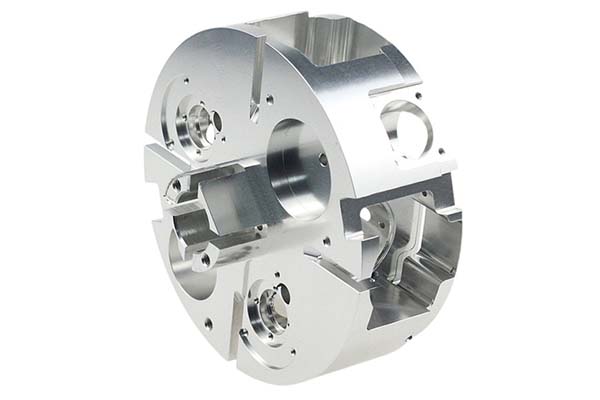
In today’s fast-paced electronics world, getting your product design right before manufacturing is critical. Soft electronic product prototype models help you test ideas, check functionality, and fix problems early—all without spending a fortune on production tooling.
Key takeaways
- Soft adhesive materials shine in electronics because they meet strict industry demands: flexibility for tight spaces, heat resistance for components, and durability for long-term use.
- Picking the correct material determines whether your tests give useful data. Ask yourself these questions before deciding:
- Creating reliable soft electronic product prototype models requires a proven six-step workflow.
- Testing should match real usage as closely as possible. Here are essential tests with target values:
What Makes Soft Electronic Prototypes Different from Hard Ones?
The key difference lies in realistic performance testing. Hard prototypes cannot show how flexible parts behave when bent, compressed, or exposed to heat. Soft materials change shape under pressure, create watertight seals, and absorb shocks—behaviors essential for modern electronics.
Think about a smartwatch wristband. A hard plastic prototype feels stiff and uncomfortable. It won’t show you how the band flexes during daily wear or whether it irritates skin after hours of use. A soft TPU or silicone prototype lets you test comfort, flexibility, and durability just like the final product.
Why Can’t You Skip Soft Prototyping?
Skipping this step creates expensive problems. A wearable tech company once designed a fitness tracker with a rigid prototype. Everything looked fine in CAD and initial testing. When they moved to production with soft rubber bands, they discovered the material caused skin irritation in 15% of users. Fixing this after production meant recalling 10,000 units and spending $150,000 on replacements. A simple silicone prototype test would have caught this issue for under $500.
How Do Soft Adhesive Materials Work for Electronic Prototypes?
Soft adhesive materials shine in electronics because they meet strict industry demands: flexibility for tight spaces, heat resistance for components, and durability for long-term use. Here is a breakdown of top materials with real applications:
| Material | Key Properties | Best Electronic Uses | Temperature Range |
|---|---|---|---|
| TPU (Thermoplastic Polyurethane) | Great wear resistance, high elasticity, easy to mold | Flexible phone cases, smartwatch bands, cable strain reliefs | -40°C to 120°C |
| Silicone Rubber | Excellent heat resistance, chemical inertness, soft touch | Battery gaskets, earbud tips, waterproof seals | -60°C to 230°C |
| EPDM (Ethylene Propylene Rubber) | Strong weather resistance, low compression set | Outdoor device gaskets, charging cable sleeves | -50°C to 150°C |
Real Case: Smartphone Screen Protector Testing
A major smartphone brand needed to test a new flexible screen protector design. They made TPU prototypes and ran 10,000+ bending cycles to mimic daily use like putting phones in pockets or bags. The prototypes showed no cracking or delamination, proving the design worked. Finding this early saved the company $80,000 in potential mold modifications and production delays.
How Do You Choose the Right Material for Your Prototype?
Picking the correct material determines whether your tests give useful data. Ask yourself these questions before deciding:
Will the Part Face Heat?
If your prototype sits near a battery, processor, or charging coil, silicone is your best choice. A consumer electronics supplier once used EPDM for a battery compartment gasket thinking it would save money. During testing at 80°C, the EPDM softened and leaked. Switching to silicone prototypes fixed the issue, but the wrong choice caused a 2-week project delay.
Does It Need Scratch Resistance?
For parts that face daily wear like phone cases or watch bands, TPU offers excellent abrasion resistance. A tablet keyboard manufacturer tested TPU prototypes for their foldable cover. After 5,000 opening cycles, the material showed minimal wear marks—matching their quality targets perfectly.
Will It Live Outdoors?
For fitness trackers, outdoor sensors, or any device exposed to sun and rain, EPDM provides superior UV and ozone resistance. A sports watch company left EPDM prototypes in direct sunlight for 6 months. The material showed no fading, cracking, or loss of flexibility—perfect for outdoor use.
What Is the Step-by-Step Process for Making Soft Electronic Prototypes?
Creating reliable soft electronic product prototype models requires a proven six-step workflow. Each step needs careful attention to ensure your prototype matches production parts within tight tolerances.
Step 1: Material Selection – Get the Foundation Right
Start by matching material properties to your use case. Create a simple checklist:
- Heat exposure? → Choose silicone
- Daily wear and tear? → Choose TPU
- Outdoor weather? → Choose EPDM
- Need both flexibility and strength? → TPU blends work well
A smart home device maker needed buttons that felt soft but lasted for years. They tested three silicone formulations with different hardness levels—40, 50, and 60 Shore A. The 50 Shore A version gave the best balance of comfort and durability.
Step 2: Data Collection – Capture Every Detail
This step ensures your prototype matches your design exactly:
3D file preparation: Provide CAD files in standard formats like STEP or IGES. These files guide every cutting path. A tablet manufacturer once sent incomplete CAD files missing port cutouts. The first prototype arrived with misaligned charging ports, causing a 1-week rework delay. Always double-check your files before sending.
Gypsum sample verification: Make a cheap plaster model to confirm shape and size. This “test run” catches errors early. A laptop brand uses gypsum samples to check the curve of soft palm rests. They verify fit within 0.1mm tolerance before machining expensive rubber.
Step 3: CNC Machining – Shape with Precision
CNC machining delivers the accuracy electronics demand:
Programming: Engineers use software like Mastercam to map cutting paths. The machine removes extra material while preserving the exact shape. Modern CNC achieves surface roughness as low as Ra 0.8μm—smooth enough for tight-sealing gaskets.
Multi-axis cutting: For complex parts like curved earbud tips, 5-axis CNC machines cut everything in one setup. A wearable tech firm switched from 3-axis to 5-axis machining and cut prototype production time from 4 days to 1.5 days—a 62% time savings.
Accuracy check: Laser scanners verify every dimension. Critical features like sealing surfaces get checked against CAD within ±0.02mm tolerance.
Step 4: Post-Treatment – Boost Durability and Looks
Finishing touches make your prototype ready for testing:
Deburring: Use fine sandpaper (400-grit or finer) to smooth edges. Even tiny burrs can damage electronic components. A connector prototype with a small burr once scratched a circuit board during testing—catching this early prevents assembly line issues.
Surface treatment: Add coatings for protection or branding. Options include:
- Painting for color matching
- Screen printing for buttons and labels
- Texture coating for better grip
A headphone manufacturer screen-printed volume symbols on soft rubber ear cup buttons. After 1,000+ presses, the labels showed no fading—proving durability.
Step 5: Assembly and Testing – Confirm It Works
This step verifies your prototype meets all requirements:
Fit check: Assemble all parts together. A wireless earbud maker found a 0.2mm gap between their silicone tip and the plastic body during assembly. Adjusting the design before production prevented sound leakage issues.
Functional tests: Simulate real use with three key tests:
- Structural stability: Drop from 1.5 meters (simulating a fall) for 50 cycles—no cracks allowed
- Mechanical properties: Test tensile strength—TPU prototypes typically hit 50-70 MPa
- Environmental simulation: Expose to -20°C to 60°C for 100 hours—no deformation or cracking
Step 6: Packaging and Shipping – Protect Your Investment
Your prototype represents weeks of work—ship it safely:
Secure packaging: Use custom foam inserts and rigid boxes. A supplier once shipped delicate silicone gaskets in thin envelopes. 15% arrived crushed and unusable. Quality packaging costs more upfront but saves rework time.
Clear communication: If materials face delays (like silicone shortages during high demand), tell customers immediately. Early warning lets them adjust schedules.
What Real Problems Do Soft Electronic Prototypes Solve?
Here are three cases showing how prototyping prevented major issues.
Case 1: The Melting Battery Gasket
A power bank manufacturer designed a silicone gasket to seal the battery compartment. They skipped prototyping and went straight to production molds. The first production run revealed the gasket melted at 75°C—well below the required 100°C rating. Redesigning the mold cost $25,000 and delayed launch by 6 weeks. A competitor testing silicone prototypes first would have caught this for under $1,000.
Case 2: The Ill-Fitting Earbud Tip
An audio company designed new wireless earbuds with replaceable silicone tips. Their CAD model looked perfect, but when they made prototypes, the tips fell off inside users’ ears during testing. The retention feature needed 0.3mm more interference to stay secure. Fixing this before production saved $60,000 in tooling changes and prevented negative reviews.
Case 3: The Cracked Smartwatch Band
A fitness tracker company tested TPU prototypes for their new watch band. After 2,000 bending cycles, micro-cracks appeared near the buckle attachment. Analysis showed the radius was too sharp, concentrating stress. They increased the radius by 1mm, retested, and the new design survived 15,000 cycles. Catching this early avoided a warranty nightmare.
How Do You Test Soft Electronic Prototypes Effectively?
Testing should match real usage as closely as possible. Here are essential tests with target values:
| Test Type | What It Measures | Target Values for Electronics |
|---|---|---|
| Tensile strength | Resistance to stretching | TPU: 50-70 MPa, Silicone: 8-12 MPa |
| Tear resistance | Resistance to tearing | TPU: 60-100 kN/m, Silicone: 20-40 kN/m |
| Compression set | Ability to return to shape after squashing | Under 25% after 22 hours at 70°C |
| Hardness | Softness or firmness (Shore A scale) | 40-80 depending on application |
| Temperature cycling | Survival through hot/cold changes | No cracks after -20°C to 60°C, 100 cycles |
How Many Test Cycles Are Enough?
For consumer electronics, follow these industry guidelines:
- Wearable bands: 10,000+ bending cycles
- Button presses: 50,000+ actuations
- Charging port covers: 5,000+ open/close cycles
- Drop protection: 50+ drops from 1 meter
How to write a spec that gets priced correctly
A drawing is a contract. If it leaves a number open, the shop fills that number in with its own default. The default is rarely the one you had in mind. Put these five lines on every RFQ and most of the back-and-forth disappears before it starts.
- A model you are willing to freeze for the build
- The question the prototype must answer
- Process and material that can answer it
- Tolerance on the features under test
- How many iterations you have budgeted
The point is not paperwork. Each line removes a decision the shop would otherwise make for you. A complete RFQ comes back priced. An incomplete one comes back guessed.
What actually drives the price
Buyers usually push on material because it is the line they can see. In practice the material is rarely the biggest number on a quote. These five lines decide most of it:
- process choice
- part size and feature count
- material
- finish and fit checks
- number of iterations
Ask for the quote split by line. A supplier who cannot break it down is guessing, and you will pay for the guess. The line you can usually renegotiate is the tolerance band, not the raw material.
Problems you will meet, and the fix
Every process has a failure mode it prefers. The same four show up again and again on this kind of work, and none of them are mysteries once you know what to look for.
- A prototype that is too good and hides a production problem
- A prototype that is too rough to test the real question
- Material chosen for speed rather than for the test
- No measurement plan, so the result is an opinion
Catch the fault on the first part, not the hundredth. A first-article check costs an hour. A bad batch costs the whole order. Write the check into the purchase order so nobody has to remember it.
What to check on the first article
The first article is the cheapest inspection you will ever buy. Use it properly and the rest of the run becomes boring, which is exactly what you want.
- Every dimension on the drawing, with the measured value written beside it.
- The material certificate, matched to the heat or lot number on the parts.
- The finish against the sample you approved, under the same light.
- Fit against the mating part, assembled rather than measured.
- Packaging, because parts that arrive damaged were never in tolerance.
Check in this order: datums, then mating features, then cosmetic faces. If the datums are wrong, every number after them is noise. Keep the report on file. When a problem shows up in month six, that document is the only thing that tells you what changed.
How to compare two quotes fairly
Two numbers are not comparable unless the scope matches. Line them up before you decide, because a low number with three gaps is not a low number.
Same drawing, same material, same finish, same inspection. Anything else is a different job wearing the same part number. Then look at what each quote leaves out. Freight, packaging, certificates and tooling are the usual gaps.
Ask each supplier to state their assumptions in writing. The one who does is usually the one who has run the process before.
What Should You Look for in a Prototype Supplier?
Choosing the right partner matters as much as choosing the right material. Here is what to check:
Quality Certifications
Look for ISO 9001 certification—this proves the supplier follows consistent quality processes. Ask about their inspection methods and whether they provide certificates of analysis with each prototype.
Electronics Experience
Suppliers who understand electronics know your pain points. They should ask about:
- Heat generation near components
- Chemical exposure from cleaning products
- Skin contact safety requirements
- Assembly methods in your factory
Past Case Studies
Ask for examples of similar work. A good supplier will share:
- Materials they recommended for past clients
- Problems they caught during prototyping
- How they helped improve designs
A medical device company once chose a general prototyping shop for their wearable heart monitor. The shop had no electronics experience and delivered prototypes that failed basic skin irritation tests. Switching to an electronics-focused supplier saved their project.
Soft electronic product prototype models bridge the gap between computer designs and real-world performance. They let you test flexibility, sealing ability, and durability before committing to expensive production tooling. By choosing the right material—TPU for wear resistance, silicone for heat protection, EPDM for outdoor use—and following a precise manufacturing process, you can validate designs with confidence. Real cases show that companies investing in proper soft prototyping avoid costly failures, speed up development, and bring better products to market. Whether you are designing smartwatch bands, battery seals, or earbud tips, soft prototypes give you the data needed to make smart decisions.
Our solution for Soft Electronic Product Prototype Models
YiguProto runs rapid prototyping in house, from a single prototype to a production batch. We quote the process, the material and the finish as separate lines, so you can see where the money goes instead of arguing with one number.
Send a STEP file or a drawing and you get a DFM report in one to two business days. It flags the features that add cost and the features that will not hold tolerance on the process you picked.
Every order ships with an inspection report on the features you call out. If a part misses, we make it again. Ready to price a part? Start with a free quote and DFM review, or read more about our rapid prototyping. You can also talk to an engineer before you commit to a drawing.
FAQ about Soft Electronic Product Prototype Models
How much does Soft Electronic Product Prototype Models cost?
Price comes from five lines: material, machine or tool time, setup, finishing and inspection. The material itself is usually the smallest of them. Send a drawing and we will split the quote so you can see which line is doing the damage.
Can Soft Electronic Product Prototype Models be made in small quantities?
Yes, and small quantities are where a good supplier earns the next order. Setup dominates the price at low volume, so the cheapest route is usually the one with the fewest operations, not the cheapest material.
Is there a minimum order quantity?
No hard minimum. One part is fine. What changes with volume is which costs dominate, so a single unit is priced mostly on setup and a thousand units are priced mostly on cycle time and material.
Does the process work for prototypes as well as production?
Yes, and that is usually the point. Running the prototype on the production process removes a whole class of surprises, because the part you test is made the same way as the part you sell.
How do I compare two quotes fairly?
Match the scope first: same drawing, same material, same finish, same inspection. Then read the exclusions. Freight, tooling and certificates are the usual gaps, and a low number with three gaps is not a low number.
What tolerance can you hold on Soft Electronic Product Prototype Models?
The working default is ±0.1 mm on most processes, tighter after machining. Tighter than that the process changes and so does the price, because every step tighter adds inspection time. Call out only the faces that mate with something else and leave the rest on the general tolerance.
The short version
Soft Electronic Product Prototype Models rewards the buyer who reads the data sheet and the drawing together. Pick the option for the property that matters, not for the price per kilo.
Tighten only what mates. Test a sample before the run. Then let the process do the rest.