
Sheet Metal
What Are the Application Areas of Bending Molding? A Complete Industry Guide
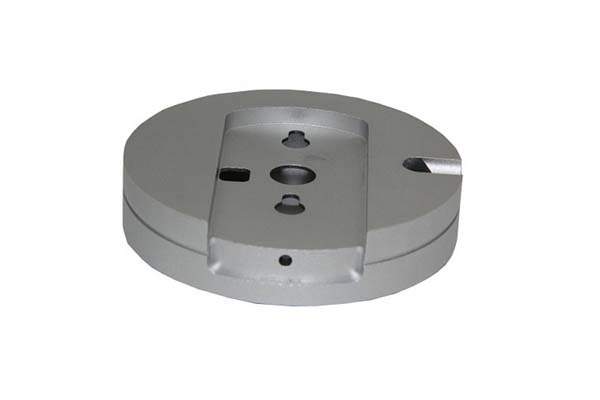
Bending molding is everywhere in modern manufacturing. You see its results daily—from the sleek laptop on your desk to the car you drive and the building where you work. This metal forming process shapes sheet metal into precise angles and forms without requiring expensive custom molds. For industries, this means lower costs, faster production, and design freedom. But where exactly do companies use bending molding?
Why Do Industries Prefer Bending Molding?
Three Core Advantages Over Other Methods
Bending molding stands out from casting, forging, or welding for simple reasons. First, it cuts costs dramatically. You avoid custom mold expenses, which typically represent 40% to 60% of upfront production costs. Second, speed matters. Parts move from design to finished product in hours rather than days. Third, flexibility wins. The same machine handles thin 0.1mm foils or thick 20mm plates, and works for batches of ten or ten thousand parts.
Who Benefits Most From This Process?
Any industry working with metal sheets gains from bending molding. Construction firms need structural parts fast. Electronics companies demand precision for tiny components. Automotive manufacturers chase weight reduction. Aerospace requires extreme reliability. Renewable energy seeks durability outdoors. Bending molding delivers on all these fronts.
How Does Construction Use Bending Molding?
Structural Components That Bear Loads
Construction relies on bending molding for load-bearing parts like curtain wall supports, beams, and brackets. Steel dominates here because it offers strength at reasonable cost. A typical skyscraper project might use 1.5mm steel sheets bent into hundreds of brackets. Compared to welding separate pieces, bending cuts production time by about 35% while meeting strict safety standards.
Decorative Elements That Impress
Beyond structure, bending creates architectural details—door frames, window trim, ceiling panels. Architects love the clean lines possible with bent metal. Aluminum often works best here because it resists corrosion and takes finishes well. A hotel lobby might feature curved aluminum panels that would cost five times more if cast.
Real Data: Construction Project Results
Consider a stadium roof project. Engineers needed beams supporting ten times their own weight. They chose bent steel over precast concrete. The result? Fifty thousand dollars saved and installation completed three weeks faster. Load tests confirmed each beam handled stresses beyond requirements.
What Role Does Bending Play in Electronics?
Casings That Protect and Impress
Electronics demand precision enclosures. Your television, computer, and smartphone all contain bent metal parts. Thin aluminum sheets from 0.5mm to 1mm thickness create lightweight casings that shield internal components while looking good. A laptop casing must fit motherboard, battery, and screen within tight tolerances—often 0.1mm accuracy.
Internal Supports That Organize Components
Inside devices, bent metal forms brackets and frames holding circuit boards, drives, and connectors. Server racks in data centers use bent steel supports because they bear heavy equipment reliably. The precision matters less for appearance here but critically for function—misaligned holes mean components won’t mount.
Case Study: Audio Headphone Frames
A premium audio brand needed headphone frames combining light weight with durability. They chose 0.8mm aluminum bent to 0.1mm tolerance. The bending process created consistent curves that held ear cushions perfectly. Production ran 10,000 units with defect rates below 1%. Users got comfortable headphones lasting years.
How Is Automotive Manufacturing Transformed by Bending?
Body Panels That Shape Vehicles
Car bodies use extensive bent metal. Door panels, roof sections, and hood supports all come from sheet metal forming. A major manufacturer produces half a million door panels yearly using 1.2mm steel. Each bent panel weighs 15% less than welded alternatives, directly improving fuel economy.
Chassis Components That Ensure Safety
Under the visible body, bent parts provide structural integrity. Frame rails, cross members, and reinforcement brackets use thicker materials—sometimes 3mm to 5mm steel. These parts must absorb crash forces while keeping passengers safe. Bending creates continuous grain flow in the metal, making parts stronger than welded assemblies.
Numbers That Matter in Automotive
That door panel production saves eight kilograms per vehicle. Multiply by 500,000 vehicles annually, and material savings reach two million dollars. The weight reduction also cuts fuel consumption across the vehicle fleet, reducing carbon emissions substantially.
What Demands Does Aerospace Place on Bending Molding?
Extreme Conditions Require Extreme Materials
Aerospace pushes materials to limits. Titanium bending creates parts for aircraft, rockets, and satellites. Titanium handles temperature swings from minus 180 degrees Celsius to positive 200 degrees without cracking. It also resists corrosion from fuels and atmospheric conditions.
Critical Components That Must Not Fail
Consider rocket fuel tank brackets. These small parts hold tanks containing propellants under tremendous pressure. If a bracket fails during launch, the result is catastrophic. An aerospace company bent 1.0mm titanium sheets into brackets that passed NASA stress tests with 100% success. Production time dropped from two weeks to three days compared to machining from solid blocks.
Satellite Frames That Last Decades
In orbit, no repairs happen. Satellite frames must survive launch vibrations, temperature cycling, and space radiation for fifteen years or more. Bent aluminum frames provide the strength-to-weight ratio needed while allowing complex shapes that fit within launch fairings.
How Does Mechanical Manufacturing Apply Bending?
Machine Housings That Protect Equipment
Industrial machinery needs protective enclosures. Gear housings, motor covers, and control panels all use bent metal. Steel from 2mm to 15mm thickness creates rugged boxes keeping dust, coolant, and debris away from moving parts. Unlike assembled housings with bolted joints, bent housings eliminate leak paths.
Conveyor Systems That Move Materials
Factories rely on conveyors. Bent frames support belts carrying heavy loads hour after hour. A machinery plant made 200 conveyor frames from 2.0mm steel. The bent frames lasted three years longer than previous bolted designs. Maintenance costs dropped 30% while daily loads reached 500 kilograms without deflection.
Precision Parts That Connect Systems
Connectors, brackets, and mounts fill every factory. Bending produces these supporting components quickly and consistently. Copper appears in electrical connectors because it conducts well while bending easily. Steel handles mechanical connections where strength matters most.
What Is Bending Molding’s Role in Renewable Energy?
Solar Panel Frames That Face Weather
Solar installations live outdoors for decades. Frames must hold panels securely against wind, rain, and snow while resisting corrosion. Aluminum bending dominates here. A solar company produced 5,000 frames from 1.0mm aluminum sheets. The corrosion-resistant material extended panel life from 20 to 25 years compared to steel frames.
Wind Turbine Components Under Stress
Wind turbines experience continuous vibration and extreme weather. Tower supports, nacelle frames, and internal brackets all use bent metal. A wind farm installed bent aluminum supports that survived eight years of coastal exposure with zero rust. The bent shapes matched turbine curves perfectly, simplifying installation.
Battery Enclosures for Energy Storage
As battery storage grows, so does demand for protective enclosures. Bent steel cabinets house battery racks in solar farms and backup systems. The cabinets must contain potential fires while allowing ventilation. Bending creates strong, sealed boxes meeting safety standards at reasonable cost.
How Does Bending Molding Solve Industry Challenges?
| Industry | Main Challenge | Bending Solution | Measured Impact |
|---|---|---|---|
| Construction | High material and labor costs | Bent steel brackets replace welded assemblies | 35% faster production, 25% lower labor |
| Electronics | Miniaturization demands | Thin aluminum bent to 0.1mm tolerance | Defect rates below 1% |
| Automotive | Weight reduction needs | Bent panels 15% lighter than welded | 8kg weight saving per vehicle |
| Aerospace | Extreme environment survival | Titanium parts resist -180°C to +200°C | 100% pass rate on NASA tests |
| Mechanical | Durability under load | Continuous grain flow in bent parts | 3 years longer service life |
| Renewable | Outdoor corrosion | Aluminum frames resist rust | 5 years added panel life |
What Materials Work Best for Different Applications?
Steel: The Workhorse Material
Steel dominates construction, automotive, and heavy machinery. It offers strength at low cost and bends reliably across thickness ranges. Mild steel works for most applications. High-strength steels need more powerful presses but save weight where needed.
Aluminum: Lightweight Champion
Electronics, aerospace, and renewable energy prefer aluminum. It weighs one-third of steel while resisting corrosion naturally. Thinner sections work for casings and frames. Aircraft grades add strength through alloying while maintaining formability.
Titanium: Premium Performance
Aerospace and medical devices use titanium where conditions exceed other materials’ capabilities. It costs more but delivers unmatched strength-to-weight and temperature resistance. Bending requires specialized equipment due to springback characteristics.
Copper and Brass: Specialized Applications
Electrical components use copper for conductivity. Decorative hardware uses brass for appearance. Both bend well but need care with surface finish to maintain aesthetics.
How Do You Choose the Right Bending Approach?
Consider Your Production Volume
Low volumes of ten to a hundred parts work perfectly with bending. No mold investment means each part costs only machine time and material. High volumes of ten thousand plus still benefit because setup times stay minimal between batches.
Evaluate Material and Thickness
Thin materials under 1mm need careful handling to avoid marking. Thick materials over 10mm require powerful presses and larger bend radii. Your material choice affects tooling needs and production speeds.
Think About Precision Requirements
Standard bending holds tolerances around 0.5mm. Precision bending with advanced machines achieves 0.1mm. Match your tolerance needs to equipment capabilities to control costs.
How to write a spec that gets priced correctly
A drawing is a contract. If it leaves a number open, the shop fills that number in with its own default. The default is rarely the one you had in mind. Put these five lines on every RFQ and most of the back-and-forth disappears before it starts.
- Flat pattern or STEP file plus a dimensioned drawing
- Material grade and thickness with the standard number
- Bend radii, K-factor and the direction of the grain
- Finish, masking and which faces stay bare
- Quantity and the assembly sequence
The point is not paperwork. Each line removes a decision the shop would otherwise make for you. A complete RFQ comes back priced. An incomplete one comes back guessed.
What actually drives the price
Buyers usually push on material because it is the line they can see. In practice the material is rarely the biggest number on a quote. These five lines decide most of it:
- blank size and nesting efficiency
- number of bends and weld joints
- material grade and thickness
- finish and masking
- batch quantity
Ask for the quote split by line. A supplier who cannot break it down is guessing, and you will pay for the guess. The line you can usually renegotiate is the tolerance band, not the raw material.
Problems you will meet, and the fix
Every process has a failure mode it prefers. The same four show up again and again on this kind of work, and none of them are mysteries once you know what to look for.
- Stretching at a bend that is tighter than the material allows
- Hole distortion when a hole sits too close to a bend line
- Weld draw on a visible face
- Springback that pulls a formed angle out of tolerance
Catch the fault on the first part, not the hundredth. A first-article check costs an hour. A bad batch costs the whole order. Write the check into the purchase order so nobody has to remember it.
What to check on the first article
The first article is the cheapest inspection you will ever buy. Use it properly and the rest of the run becomes boring, which is exactly what you want.
- Every dimension on the drawing, with the measured value written beside it.
- The material certificate, matched to the heat or lot number on the parts.
- The finish against the sample you approved, under the same light.
- Fit against the mating part, assembled rather than measured.
- Packaging, because parts that arrive damaged were never in tolerance.
Check in this order: datums, then mating features, then cosmetic faces. If the datums are wrong, every number after them is noise. Keep the report on file. When a problem shows up in month six, that document is the only thing that tells you what changed.
How to compare two quotes fairly
Two numbers are not comparable unless the scope matches. Line them up before you decide, because a low number with three gaps is not a low number.
Same drawing, same material, same finish, same inspection. Anything else is a different job wearing the same part number. Then look at what each quote leaves out. Freight, packaging, certificates and tooling are the usual gaps.
Ask each supplier to state their assumptions in writing. The one who does is usually the one who has run the process before.
Scaling from one part to a batch
The first part teaches you the process. The hundredth teaches you the process cost.
Watch three things as volume grows: setup amortisation, tool wear, and how much hand work the finish still needs. If the unit price barely moves between ten and a hundred, the cost sits in material or in hand work, not in setup. Ask which, because only one of them is negotiable.
Lead time behaves the same way. A one-off is scheduled around other jobs. A repeat order is scheduled around your forecast. Give the shop a forecast and the lead time gets shorter, not longer.
What Future Trends Affect Bending Molding Applications?
Automation and Robotics
Robotic bending cells run lights-out manufacturing. Parts load, bend, and unload without human intervention. This trend makes bending economical for more applications by reducing labor costs further.
Advanced Materials
New alloys and composites push bending capabilities. High-strength steels need more force but save weight. Aluminum-lithium alloys serve aerospace better. Bending technology evolves alongside materials.
Sustainability Demands
Recyclability matters increasingly. Bent metal parts recycle completely, unlike some composites. Energy efficiency in production also improves as equipment becomes more efficient.
Bending molding serves nearly every industry using metal. From skyscraper brackets to laptop casings, car doors to rocket parts, this versatile process delivers cost savings, speed, and design flexibility. Construction relies on its strength and economy. Electronics demands its precision. Automotive pursues its weight reduction. Aerospace trusts its reliability. Renewable energy values its durability.
Understanding these application areas helps you apply bending molding effectively to your own projects. Whether you need ten custom parts or ten thousand production components, bending offers a practical path from design to finished product. The technology continues evolving, opening new possibilities across all industries.
Our solution for Application Areas
YiguProto runs sheet metal fabrication in house, from a single prototype to a production batch. We quote the process, the material and the finish as separate lines, so you can see where the money goes instead of arguing with one number.
Send a STEP file or a drawing and you get a DFM report in one to two business days. It flags the features that add cost and the features that will not hold tolerance on the process you picked.
Every order ships with an inspection report on the features you call out. If a part misses, we make it again. Ready to price a part? Start with a free quote and DFM review, or read more about our sheet metal fabrication. You can also talk to an engineer before you commit to a drawing.
FAQ about Application Areas
Is there a minimum order quantity?
No hard minimum. One part is fine. What changes with volume is which costs dominate, so a single unit is priced mostly on setup and a thousand units are priced mostly on cycle time and material.
How much does Application Areas cost?
Price comes from five lines: material, machine or tool time, setup, finishing and inspection. The material itself is usually the smallest of them. Send a drawing and we will split the quote so you can see which line is doing the damage.
How do I compare two quotes fairly?
Match the scope first: same drawing, same material, same finish, same inspection. Then read the exclusions. Freight, tooling and certificates are the usual gaps, and a low number with three gaps is not a low number.
How long does a first article take?
Usually a few business days once the drawing is frozen, and longer if tooling is involved. The date we give you is the date we confirm in writing, not the date we hope for.
What should I check before approving the parts?
Datums first, then the features that mate, then the cosmetic faces. Ask for a dimensional report, a material certificate and a finish sample. A part can be inside every tolerance and still not fit, so assemble one before you sign.
What tolerance can you hold on Application Areas?
The working default is ±0.2 mm on formed features, ±0.1 mm on laser-cut holes. Tighter than that the process changes and so does the price, because every step tighter adds inspection time. Call out only the faces that mate with something else and leave the rest on the general tolerance.
The short version
Application Areas rewards the buyer who reads the data sheet and the drawing together. Pick the option for the property that matters, not for the price per kilo.
Tighten only what mates. Test a sample before the run. Then let the process do the rest.