
Die Casting
What Causes Loss in Zinc Alloy Die Casting and How to Reduce It?
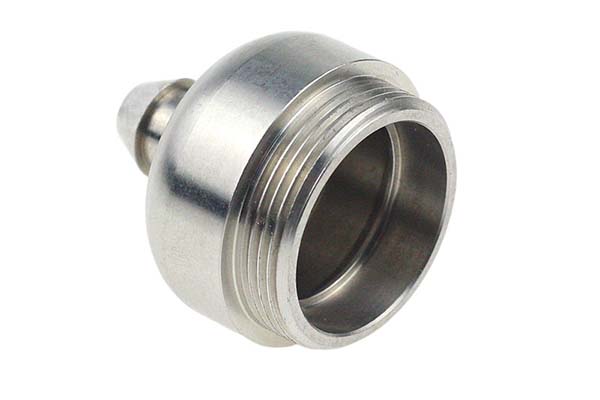
Zinc alloy die casting loss eats away 15–35% of your material budget every year. That scrap, runners, flash, and defective parts add up fast. For a shop producing one million zinc phone frames annually, cutting loss by just 5% saves over $50,000. But where does all this material go? Why do some operations waste far more than others? And what practical steps actually reduce loss without hurting quality?
Key takeaways
- A medium-sized shop producing 500 tons of zinc alloy parts annually at 28% loss currently wastes 140 tons of material.
- I have watched dozens of die casting shops try to cut loss over twenty years in this industry. The ones who succeed share common traits.
- Zinc alloy die casting loss is not inevitable—it is manageable waste that directly impacts your profitability.
What Is a Typical Loss Rate for Zinc Die Casting?
Loss benchmarks by operation type
Not every die casting shop loses material at the same rate. Your loss depends heavily on management quality, equipment age, and part complexity. Here is how different scenarios compare:
| Production Scenario | Loss Rate Range | What Characterizes This Operation |
|---|---|---|
| High-Quality Management | Under 20% | Precision molds, CNC machining, real-time monitoring, 100% X-ray inspection |
| Normal Working Conditions | 20–30% | Semi-automated equipment, standard molds, basic visual checks only |
| Complex or Inefficient | Over 35% | Old hydraulic presses, complex thin-wall parts, experience-based adjustments |
| Theoretical Minimum | Around 10% | Ideal conditions with no defects, optimized runners, zero errors |
What drives these differences
High-end 3C product manufacturers running zinc alloy laptop hinges achieve under 20% loss through precision control. Household hardware producers making faucet handles with semi-automated lines sit in the 20–30% range. Custom industrial component shops with old equipment and complex parts often exceed 35% loss. The gap between best and worst performers represents hundreds of thousands in potential savings.
Where Does the Material Actually Go?
Breaking down the loss categories
To fix loss, you must first understand where your material disappears. Here is how typical zinc alloy die casting loss breaks down by category:
| Loss Type | Share of Total | How It Happens |
|---|---|---|
| Gating System Residue | 8–12% | Runners and sprues solidify and get trimmed off |
| Flash Burrs | 5–8% | Metal leaks at parting lines or ejector pins |
| Trial and Debugging | 3–5% | Test shots for new molds get scrapped |
| Surface Treatment | 2–4% | Shot blasting removes surface material |
| Random Disruptions | 2–3% | Power outages or jams waste metal |
The gating system is your biggest target
Runners and gates account for the largest single chunk of loss—8–12% of total material. Traditional systems use 20–30% of all metal just to fill the channels leading to the part. This material gets recycled, but each remelting cycle adds cost and quality risks.
Flash adds up fast
Flash forms when molten metal squeezes into gaps at parting lines, ejector pins, or slider mechanisms. A gap of just 0.05mm creates visible flash. Each additional parting surface in complex molds increases flash risk by 20–30%. For multi-slider parts, flash can hit 8% of total material.
How Does Product Design Drive Loss?
Geometric complexity multiplies waste
Complex shapes with special contours or multi-slider mechanisms force more parting surfaces. Every parting line creates flash potential. Parts requiring thin walls under 1mm need higher injection pressure, which increases flash and turbulence. A complex sensor housing might lose 5–10% more material than a simple block shape.
Wall thickness variation creates hidden loss
Local thick sections over 5mm cool slower than surrounding thin walls. This difference creates shrinkage cavities that scrap parts or require larger risers to feed metal during solidification. Those risers add 3–5% static material loss plus another 2–3% when you cut them off.
Machining allowances waste good metal
Traditional die casting leaves 0.5–1mm of material on critical surfaces for machining. That material gets cut away and turned into chips. For a part weighing 100 grams, machining allowance can waste 8–15 grams. Precision die casting eliminates this loss entirely by holding tolerances of ±0.05mm right from the mold.
What Process Control Issues Increase Loss?
Injection system problems
Your runner design directly controls how much metal becomes permanent waste. Runners with cross-sections over 10mm² use excessive material. Injection speed matters too—too fast creates turbulence and porosity, too slow causes cold shuts. Both increase scrap rates.
Modern solutions include hot runner systems that keep metal molten in the channels, cutting gate residue by 40%. Controlling gate speed at 30–50 meters per second with proper exhaust plugs prevents defects while minimizing runner size.
Temperature control failures
Zinc alloys have a narrow 420–450°C sweet spot for pouring. Drop below 420°C and you get cold shuts—visible lines where metal failed to fuse, scrapping 3% more parts. Go above 450°C and oxidation increases, wasting 2% of material to dross.
Mold temperature matters equally. A temperature gradient over 10°C across the mold creates uneven solidification. Thicker sections stay hot while thin sections freeze, creating internal stresses and shrinkage. This adds 3–8% loss from porosity defects.
Release mechanism issues
Poor ejector pin design causes part deformation during ejection, increasing scrap by 5%. Excessive release agent creates surface defects that require rework or scrapping, adding 3–5% loss. High-precision beveled thimbles with self-lubricating coatings reduce deformation by 70%. Automatic spray systems holding 5–8μm coating thickness eliminate over-spray waste.
How Do Equipment and Operations Contribute?
Worn injection systems
A punch with eccentricity over 0.1mm from wear creates uneven metal flow. This increases porosity defects and flash formation. For a 100,000-part run, worn injection components waste 500–1,200kg of zinc alloy beyond normal levels. That is pure profit disappearing.
Clamping force problems
Insufficient clamping lets the mold open slightly during injection. Molten metal shoots out through the gap in what operators call “flying material.” Each incident wastes 2–5kg of alloy and stops production for 10–15 minutes of cleanup. Servo-driven clamping systems holding accuracy within ±1% eliminate this loss.
Manual handling damage
Operators removing hot parts by hand inevitably drop some or damage them with tools. Manual extraction adds 7% secondary damage loss from parts that looked good coming out of the mold but get scrapped before packaging. Robotic pick-up arms cut this loss by 70%.
Random disruptions
Power outages lasting just seconds let metal solidify in the injection chamber and gooseneck. Clearing that 5–10kg of solidified alloy takes 30–45 minutes and scraps the material. UPS backup power systems prevent this loss entirely. Quick-mold-change systems reduce jamming-related waste by 60%.
What Does a Real Loss Reduction Plan Look Like?
Step 1: Diagnose your specific loss nodes
Start by tracking material flow with RFID chips on each batch. Record weight at melting, injection, trimming, and final inspection. You will quickly see where loss concentrates. Focus first on parts over 50 grams with loss rates above 30% —these offer the biggest savings opportunities.
Step 2: Prioritize high-impact improvements
Pouring system upgrades deliver the fastest returns. Hot runner systems cut gate residue by 40%. Vacuum die casting reduces porosity scrap by up to 90%. Together, these changes can lower total loss by 5–8% within weeks.
Temperature and exhaust improvements add another 3–5% reduction. Slotted exhaust plugs at 0.8–1.2mm eliminate air entrapment. Dual-circuit cooling maintains mold temperature gradient under 5°C, preventing shrinkage defects.
Automation stops the hidden losses. Robotic extraction cuts secondary damage by 70%. Real-time pressure monitoring keeps injection parameters within ±5% of target, preventing flash and short shots.
| Improvement | Loss Reduction | Time to Result |
|---|---|---|
| Hot runner system | 5–8% | 1–2 months |
| Vacuum die casting | 3–5% | 2–4 weeks |
| Temperature control | 3–5% | 2–4 weeks |
| Robotic extraction | 2–3% | 2–4 weeks |
| Pressure monitoring | 2–4% | 1–2 months |
Step 3: Monitor and sustain gains
Generate monthly loss reports tracking progress against baseline. Hold teams accountable for specific metrics—“gating loss reduced from 12% to 8%” rather than vague goals.
Build a graded recycling system to protect quality while reusing material. Primary return material with no contamination can go back at 85% proportion with nitrogen protection. Secondary crushed material needs magnetic separation and should go into prefabricated ingots only.
How Much Can You Really Save?
A medium-sized shop producing 500 tons of zinc alloy parts annually at 28% loss currently wastes 140 tons of material. At $2.50 per kg alloy price, that is $350,000 in wasted metal yearly.
Cutting loss to 18% through the measures above saves 50 tons of material—$125,000 annually. Equipment upgrades might cost $80,000–120,000, paying back in under a year. Then those savings continue year after year.
For a high-volume 3C manufacturer running 1,000 tons annually, the numbers get even bigger. Dropping from 25% to 15% loss saves 100 tons—$250,000 per year. That is real money dropping straight to the bottom line.
How to write a spec that gets priced correctly
A drawing is a contract. If it leaves a number open, the shop fills that number in with its own default. The default is rarely the one you had in mind. Put these five lines on every RFQ and most of the back-and-forth disappears before it starts.
- 3D model with the parting line marked
- Alloy grade and the standard it meets
- Wall thickness and draft on every face
- Machining allowance on the faces that will be cut
- Pressure tightness or porosity class
The point is not paperwork. Each line removes a decision the shop would otherwise make for you. A complete RFQ comes back priced. An incomplete one comes back guessed.
What actually drives the price
Buyers usually push on material because it is the line they can see. In practice the material is rarely the biggest number on a quote. These five lines decide most of it:
- die steel and cavity count
- part weight and wall section
- draft and slide count
- porosity requirement
- machining allowance
Ask for the quote split by line. A supplier who cannot break it down is guessing, and you will pay for the guess. The line you can usually renegotiate is the tolerance band, not the raw material.
Problems you will meet, and the fix
Every process has a failure mode it prefers. The same four show up again and again on this kind of work, and none of them are mysteries once you know what to look for.
- Cold shuts where two flow fronts meet
- Porosity that shows up only after machining
- Soldering on a hot spot in the die
- Shrinkage voids in a heavy section
Catch the fault on the first part, not the hundredth. A first-article check costs an hour. A bad batch costs the whole order. Write the check into the purchase order so nobody has to remember it.
What to check on the first article
The first article is the cheapest inspection you will ever buy. Use it properly and the rest of the run becomes boring, which is exactly what you want.
- Every dimension on the drawing, with the measured value written beside it.
- The material certificate, matched to the heat or lot number on the parts.
- The finish against the sample you approved, under the same light.
- Fit against the mating part, assembled rather than measured.
- Packaging, because parts that arrive damaged were never in tolerance.
Check in this order: datums, then mating features, then cosmetic faces. If the datums are wrong, every number after them is noise. Keep the report on file. When a problem shows up in month six, that document is the only thing that tells you what changed.
How to compare two quotes fairly
Two numbers are not comparable unless the scope matches. Line them up before you decide, because a low number with three gaps is not a low number.
Same drawing, same material, same finish, same inspection. Anything else is a different job wearing the same part number. Then look at what each quote leaves out. Freight, packaging, certificates and tooling are the usual gaps.
Ask each supplier to state their assumptions in writing. The one who does is usually the one who has run the process before.
Scaling from one part to a batch
The first part teaches you the process. The hundredth teaches you the process cost.
Watch three things as volume grows: setup amortisation, tool wear, and how much hand work the finish still needs. If the unit price barely moves between ten and a hundred, the cost sits in material or in hand work, not in setup. Ask which, because only one of them is negotiable.
Lead time behaves the same way. A one-off is scheduled around other jobs. A repeat order is scheduled around your forecast. Give the shop a forecast and the lead time gets shorter, not longer.
How to read a supplier's quote
A quote is a short document with a long shadow. Four things in it decide whether the job runs smoothly, and only one of them is the price.
- The scope line. It should name the process, the material and the finish, not just the part.
- The tolerance basis. General tolerance or the drawing, and which standard it follows.
- The exclusions. Tooling, freight, certificates and inspection are the usual omissions.
- The validity date. Material prices move, and an open-ended quote is a promise nobody can keep.
Read the exclusions before you read the total. A quote that leaves out tooling is not cheaper. It is a quote for a different job.
Industry Experience: What Actually Works
I have watched dozens of die casting shops try to cut loss over twenty years in this industry. The ones who succeed share common traits. They measure before they act, targeting specific loss categories rather than vague improvement goals. They invest in hot runner systems and vacuum assist before buying new machines. They automate handling before chasing exotic process tweaks.
One phone frame manufacturer cut loss from 28% to 18% in six months. They started with MAGMAsoft simulation to optimize runner design, cutting gate residue by 40%. Next came robotic extraction, eliminating damaged parts. Finally, AI pressure control stabilized the process, reducing flash and short shots. Total savings: 12,000kg of zinc alloy yearly.
A hardware producer making faucet handles took a different path. Their 32% loss came mostly from flash and surface defects. Dual-circuit cooling balanced mold temperature, cutting flash by 60%. Automated spray systems eliminated release agent waste. Robotic pick-up arms stopped secondary damage. Final loss: 22%—a 10-point improvement with no new machines.
The common thread? Both shops diagnosed first, then targeted specific loss categories with proven solutions. They did not try to fix everything at once.
Zinc alloy die casting loss is not inevitable—it is manageable waste that directly impacts your profitability. Understanding where material goes—gating systems, flash, defects, handling damage—lets you target the biggest savings opportunities first. Hot runner systems, vacuum assist, temperature control, and automation each deliver measurable reductions. A systematic approach of diagnosis, prioritized improvement, and ongoing monitoring typically cuts loss by 10–15 percentage points within a year. For most shops, that represents hundreds of thousands in annual savings with payback measured in months, not years.
Our solution for Causes Loss
YiguProto runs die casting in house, from a single prototype to a production batch. We quote the process, the material and the finish as separate lines, so you can see where the money goes instead of arguing with one number.
Send a STEP file or a drawing and you get a DFM report in one to two business days. It flags the features that add cost and the features that will not hold tolerance on the process you picked.
Every order ships with an inspection report on the features you call out. If a part misses, we make it again. Ready to price a part? Start with a free quote and DFM review, or read more about our die casting. You can also talk to an engineer before you commit to a drawing.
FAQ about Causes Loss
What is the lead time for Causes Loss?
Expect 20 to 30 business days including die build. Tooling, material stock and the finishing queue all move that number, so we confirm the date in writing before the run starts rather than after.
How long does a first article take?
Usually a few business days once the drawing is frozen, and longer if tooling is involved. The date we give you is the date we confirm in writing, not the date we hope for.
What happens if a part is out of specification?
We measure it against the same drawing you approved and, if it misses, we make it again. What matters is that the report exists, because a disagreement without data is just an opinion.
What tolerance can you hold on Causes Loss?
The working default is ±0.1 mm on cast features, ±0.05 mm after machining. Tighter than that the process changes and so does the price, because every step tighter adds inspection time. Call out only the faces that mate with something else and leave the rest on the general tolerance.
Can Causes Loss be made in small quantities?
Yes, and small quantities are where a good supplier earns the next order. Setup dominates the price at low volume, so the cheapest route is usually the one with the fewest operations, not the cheapest material.
How do I compare two quotes fairly?
Match the scope first: same drawing, same material, same finish, same inspection. Then read the exclusions. Freight, tooling and certificates are the usual gaps, and a low number with three gaps is not a low number.
The short version
Causes Loss rewards the buyer who reads the data sheet and the drawing together. Pick the option for the property that matters, not for the price per kilo.
Tighten only what mates. Test a sample before the run. Then let the process do the rest.