
Sheet Metal
What Materials Work Best for Bending Molding? Your Practical Guide
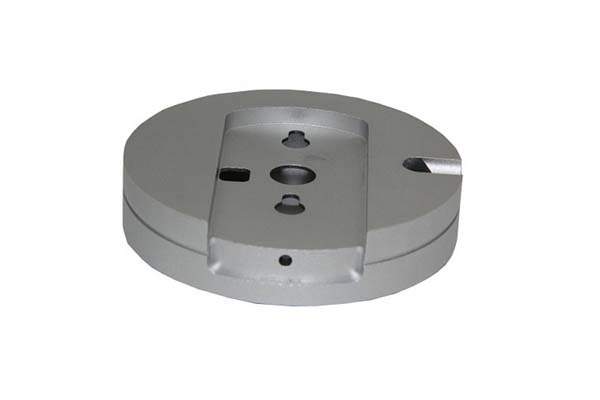
Bending molding shapes sheet metal into useful parts by applying pressure. It’s fast, cost-effective, and needs no custom molds. But here’s the thing: not every material bends well. Choose wrong, and you’ll get cracks, weak spots, or wasted time. Choose right, and your parts form cleanly, perform as needed, and stay within budget.
How Does Bending Molding Actually Work?
The science of plastic deformation
Bending works through plastic deformation. Think of it as pushing metal past its elastic limit—the point where it would normally spring back—so it stays in the new shape. The metal stretches on the outside of the bend and compresses on the inside. Success depends on the material’s ability to handle this without cracking.
Two rules that never fail
Every experienced shop follows basic guidelines. First, bending height should be at least 2× the material thickness plus the bend radius. A 2mm thick sheet with a 3mm radius needs 7mm minimum height. Second, the bend radius must exceed the material’s minimum bending radius. Go smaller, and the outside surface tears.
Why material choice matters most
Different metals behave differently under pressure. Some stretch easily. Others fight back. Some spring back more after bending. Understanding these differences separates good parts from scrap bins.
What Makes a Material Good for Bending?
Ductility is the key trait
Ductility measures how much a material stretches before breaking. High ductility means tight bends without cracks. Low ductility means fractures. Copper and aluminum score high. Certain steels score medium. Cast materials? Usually too brittle.
Grain structure plays a role
Rolled sheet metal has grain direction from the rolling process. Bending perpendicular to the grain follows the path of least resistance. Bending parallel to the grain risks cracking along grain boundaries. Smart shops orient parts to bend across the grain when possible.
Thickness affects formability
Thin sheets bend easily but may wrinkle. Thick sheets resist bending and need more machine power. Each material has a practical thickness range for bending. Outside that range, other forming methods make more sense.
Which Metals Work Best for Bending Molding?
Steel: The workhorse option
Steel dominates bending applications for good reason. It offers high strength, consistent ductility, and the lowest cost per pound. Most shops keep standard steel sheets in stock for everyday jobs.
Minimum bend radius: 1.5× material thickness for mild steel
Typical uses: Construction brackets, automotive frames, appliance housings
Cost factor: Baseline (1×)
A truck trailer manufacturer bends 3mm steel sheets into frame rails. Each rail supports 15 tons of cargo daily. They chose steel because it handles the load at half the cost of aluminum alternatives. Their bending line produces 400 rails per shift with defect rates under 0.5%.
Aluminum: Lightweight champion
Aluminum weighs one-third as much as steel but still bends well. It naturally forms a protective oxide layer that resists corrosion. No painting needed for many outdoor applications.
Minimum bend radius: 1.0× material thickness (for 5000 and 6000 series)
Typical uses: Bicycle frames, electronics cases, solar panel mounts
Cost factor: 3–4× steel
A bicycle manufacturer switched from steel to 0.8mm aluminum handlebars. Each bike dropped 1.2kg—enough for riders to notice. The aluminum bends easily on existing press brakes. Handlebars now ship 20% faster because the material forms without cracking. Riders report no corrosion after two years in rain and snow.
Copper: The conductor’s choice
Copper bends like butter compared to other metals. Its exceptional ductility allows tight radii without cracking. Electrical conductivity remains unmatched among common bending materials.
Minimum bend radius: 0.8× material thickness
Typical uses: Electrical bus bars, heat exchanger coils, plumbing fittings
Cost factor: 4–5× steel
An electronics firm bends 0.5mm copper sheets into smartphone connectors. Each connector carries high-frequency signals to the display. Copper’s conductivity ensures no signal loss. The ductility allows 90-degree bends in spaces thinner than a pencil. They produce 50,000 units daily with zero conductivity failures.
Stainless Steel: Corrosion fighter
Stainless steel adds chromium to resist rust and staining. It bends differently than mild steel—more springback, more work hardening. But for parts that face moisture or chemicals, it’s often the only choice.
Minimum bend radius: 1.8× material thickness
Typical uses: Food equipment, medical instruments, architectural trim
Cost factor: 4–6× steel
A commercial kitchen supplier bends 1.2mm stainless sheets into sink basins. The material withstands daily sanitizer exposure for years without pitting. Each basin holds 100°C water during cleaning cycles. Stainless maintains its appearance while cheaper materials would rust within months.
Titanium: High-performance specialist
Titanium combines aerospace strength with excellent corrosion resistance. It’s expensive and harder to bend, but for critical applications, nothing else works as well.
Minimum bend radius: 2.0× material thickness
Typical uses: Medical implants, aircraft components, marine hardware
Cost factor: 15–20× steel
A medical device company bends 1.0mm titanium sheets into hip implant shells. Each implant must support body weight for decades without reacting with tissue. Titanium’s biocompatibility means the body accepts it. The material bends precisely to match patient anatomy. Their defect rate holds at 0.2% despite the challenging material.
Brass: Decorative and functional
Brass (copper and zinc alloy) bends easily and looks good doing it. It machines well and resists tarnishing with proper coating.
Minimum bend radius: 1.0× material thickness
Typical uses: Decorative hardware, musical instruments, precision fittings
Cost factor: 5–7× steel
A lighting fixture company bends 0.6mm brass sheets into vintage-style lamp shades. The warm gold tone matches their design aesthetic without painting. Brass forms cleanly on standard tooling. Each shade takes 3 minutes to bend and assemble.
How Do You Choose the Right Material?
Match material to application requirements
Start with what the part must do. Electrical parts need conductivity—copper wins. Structural parts need strength—steel or titanium. Lightweight parts need low density—aluminum. Write down your must-haves before comparing options.
Consider the operating environment
Where will the part live? Indoors in controlled conditions? Steel works fine. Outdoors in rain? Aluminum or stainless steel resists corrosion. Chemical exposure? Stainless or titanium. Human body contact? Titanium is proven safe.
Factor total cost, not material price
Material cost per kilogram tells only part of the story. Titanium costs 15× more than steel, but if it lasts 20× longer in your application, the math shifts. Include fabrication costs too. Harder materials need slower speeds and more tooling maintenance.
Quick selection guide
| If You Need… | Best Material Choice | Why |
|---|---|---|
| Lowest cost | Steel | Widely available, easy to form |
| Light weight | Aluminum | 1/3 steel density, good strength |
| Electrical conductivity | Copper | Best conductor among bendable metals |
| Corrosion resistance | Stainless or Titanium | Natural oxide layers protect |
| Biocompatibility | Titanium | Proven safe for implants |
| Decorative appearance | Brass or Stainless | Looks good without coating |
What Problems Happen With Wrong Material Choice?
Cracking at the bend line
Choosing material below minimum bend radius causes outside surface cracking. The stretched metal simply can’t take the elongation. Parts fail immediately or later under load. A furniture maker once used low-ductility steel for chair frames. 30% cracked during bending. They switched to proper grade and now see 0% cracking.
Excessive springback
Some materials spring back more after bending. High-strength steels and certain tempers of stainless require overbending to reach final angle. If you don’t account for this, parts come out wrong. One aerospace supplier found their titanium brackets spring back 3 degrees consistently. They now program that into the machine.
Wrinkling on inside radius
Thin materials or improper tooling can cause wrinkling on the compressed side of bends. This weakens the part and looks unprofessional. Adjusting die opening and pressure usually fixes it, but some material combinations fight harder than others.
Work hardening difficulties
Some materials harden as they bend. Stainless steel does this noticeably. Multiple bends on the same part get progressively harder. Machine operators must account for this or risk inconsistent angles. Annealing between operations helps but adds cost.
What New Materials Are Emerging?
Advanced high-strength steels
Automotive industry drives development of stronger steels that still bend. These materials allow thinner sections with same strength, reducing vehicle weight. Minimum bend radii are larger, requiring updated tooling and techniques.
Pre-finished materials
More shops now bend pre-painted or pre-coated sheets. This eliminates secondary painting operations but requires care—tooling must not scratch the finish. Protective films and urethane tooling protect surfaces during bending.
Multi-material laminates
Some applications use bonded sheets—aluminum bonded to steel, copper bonded to aluminum. Bending these requires understanding how each layer behaves. Delamination risks increase at tight radii.
Choosing the right material for bending molding directly affects your part quality, production speed, and bottom line. Steel remains the cost-effective workhorse for most applications. Aluminum wins when weight matters. Copper carries current better than any alternative. Stainless and titanium handle harsh environments where other metals fail. Match your material to the application requirements, environmental conditions, and honest cost analysis. Test before committing to large runs. And remember—the best material choice makes your parts work right the first time, every time.
How to write a spec that gets priced correctly
A drawing is a contract. If it leaves a number open, the shop fills that number in with its own default. The default is rarely the one you had in mind. Put these five lines on every RFQ and most of the back-and-forth disappears before it starts.
- Flat pattern or STEP file plus a dimensioned drawing
- Material grade and thickness with the standard number
- Bend radii, K-factor and the direction of the grain
- Finish, masking and which faces stay bare
- Quantity and the assembly sequence
The point is not paperwork. Each line removes a decision the shop would otherwise make for you. A complete RFQ comes back priced. An incomplete one comes back guessed.
What actually drives the price
Buyers usually push on material because it is the line they can see. In practice the material is rarely the biggest number on a quote. These five lines decide most of it:
- blank size and nesting efficiency
- number of bends and weld joints
- material grade and thickness
- finish and masking
- batch quantity
Ask for the quote split by line. A supplier who cannot break it down is guessing, and you will pay for the guess. The line you can usually renegotiate is the tolerance band, not the raw material.
Problems you will meet, and the fix
Every process has a failure mode it prefers. The same four show up again and again on this kind of work, and none of them are mysteries once you know what to look for.
- Stretching at a bend that is tighter than the material allows
- Hole distortion when a hole sits too close to a bend line
- Weld draw on a visible face
- Springback that pulls a formed angle out of tolerance
Catch the fault on the first part, not the hundredth. A first-article check costs an hour. A bad batch costs the whole order. Write the check into the purchase order so nobody has to remember it.
What to check on the first article
The first article is the cheapest inspection you will ever buy. Use it properly and the rest of the run becomes boring, which is exactly what you want.
- Every dimension on the drawing, with the measured value written beside it.
- The material certificate, matched to the heat or lot number on the parts.
- The finish against the sample you approved, under the same light.
- Fit against the mating part, assembled rather than measured.
- Packaging, because parts that arrive damaged were never in tolerance.
Check in this order: datums, then mating features, then cosmetic faces. If the datums are wrong, every number after them is noise. Keep the report on file. When a problem shows up in month six, that document is the only thing that tells you what changed.
How to compare two quotes fairly
Two numbers are not comparable unless the scope matches. Line them up before you decide, because a low number with three gaps is not a low number.
Same drawing, same material, same finish, same inspection. Anything else is a different job wearing the same part number. Then look at what each quote leaves out. Freight, packaging, certificates and tooling are the usual gaps.
Ask each supplier to state their assumptions in writing. The one who does is usually the one who has run the process before.
FAQ About Bending Molding Materials
Can I bend magnesium alloys for lightweight parts?
Yes, but carefully. Magnesium is lighter than aluminum but has limited ductility at room temperature. Heating the material to about 150°C improves formability. A drone manufacturer bends heated magnesium sheets for lightweight frames, saving 20% weight versus aluminum. Safety precautions matter—magnesium chips can ignite.
What about bending zinc or zinc-coated materials?
Zinc-coated steel (galvanized) bends well with proper technique. The zinc layer adds corrosion protection but can flake at tight radii. Use larger bend radii to preserve coating integrity. Avoid breathing fumes if welding after bending.
How thin can I go with bending materials?
Production bending works reliably down to 0.2mm for aluminum and copper, 0.3mm for steel. Below these thicknesses, material handling becomes difficult. Foil gauges (under 0.1mm) need specialized equipment and very gentle tooling. A microelectronics firm bends 0.15mm copper shields daily using custom soft jaws.
Does heat affect material choice for bending?
Yes. Parts that face high temperatures need materials that maintain strength. Stainless steel works to 800°C. Titanium to 600°C. Aluminum loses strength above 150°C. An exhaust system manufacturer bends stainless for manifolds that see 700°C exhaust gas.
Can I bend materials after heat treatment?
Generally no. Heat-treated parts become harder and less ductile. Bend before heat treatment whenever possible. If you must bend treated material, use hot bending or accept larger minimum radii.
Which material gives the most consistent bend angles?
Aluminum (5000 and 6000 series) offers very consistent springback behavior. Once you dial in the machine settings, every part matches. Steel varies slightly by batch but remains predictable. Copper bends consistently but feels softer under pressure.
How we can help
YiguProto runs sheet metal fabrication in house, from a single prototype to a production batch. We quote the process, the material and the finish as separate lines, so you can see where the money goes instead of arguing with one number.
Send a STEP file or a drawing and you get a DFM report in one to two business days. It flags the features that add cost and the features that will not hold tolerance on the process you picked.
Every order ships with an inspection report on the features you call out. If a part misses, we make it again. Ready to price a part? Start with a free quote and DFM review, or read more about our sheet metal fabrication. You can also talk to an engineer before you commit to a drawing.
Frequently asked questions
Is there a minimum order quantity?
No hard minimum. One part is fine. What changes with volume is which costs dominate, so a single unit is priced mostly on setup and a thousand units are priced mostly on cycle time and material.
What should I check before approving the parts?
Datums first, then the features that mate, then the cosmetic faces. Ask for a dimensional report, a material certificate and a finish sample. A part can be inside every tolerance and still not fit, so assemble one before you sign.
How long does a first article take?
Usually a few business days once the drawing is frozen, and longer if tooling is involved. The date we give you is the date we confirm in writing, not the date we hope for.
What material should I specify?
Specify by standard, not by trade name. A trade name can change under you between two orders; a standard number cannot. Then add the one property that actually decides the part, whether that is strength, heat resistance or chemical exposure.
Does the process work for prototypes as well as production?
Yes, and that is usually the point. Running the prototype on the production process removes a whole class of surprises, because the part you test is made the same way as the part you sell.
What happens if a part is out of specification?
We measure it against the same drawing you approved and, if it misses, we make it again. What matters is that the report exists, because a disagreement without data is just an opinion.
The short version
Good parts reward the buyer who reads the data sheet and the drawing together. Pick the option for the property that matters, not for the price per kilo.
Tighten only what mates. Test a sample before the run. Then let the process do the rest.