
Rapid Prototyping
What Are Prototype Models Used For? A Complete Guide to Their Real-World Applications
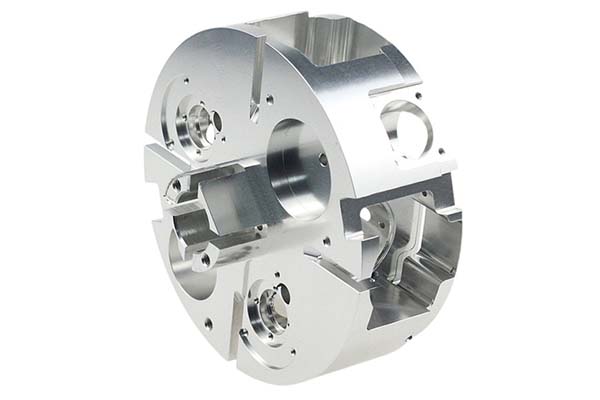
Have you ever wondered how a product goes from a sketch on paper to something you can actually hold in your hands? That journey almost always passes through a prototype model. I’ve spent years in product development, and I can tell you that prototypes are far more than just “test pieces.” They’re the tools that catch expensive mistakes before they happen. They’re what you show investors to get funding.
Key takeaways
- The consumer electronics industry moves fast. New phones, headphones, and smart devices hit the market constantly.
- Cars are complicated. Thousands of parts have to work together perfectly, and failures can mean injury or death.
- Medical devices save lives. They also must meet strict standards from agencies like the FDA in the US or CE in Europe.
- Industrial design focuses on how products work in human hands. A beautiful product that’s uncomfortable to use will fail.
How Do Consumer Electronics Companies Use Prototypes?
The consumer electronics industry moves fast. New phones, headphones, and smart devices hit the market constantly. Getting the design right before production is critical.
What Role Do Prototypes Play in Appearance Verification?
When you pick up a smartphone, you’re responding to its look and feel before you ever turn it on. Designers know this. That’s why they use plastic and metal prototypes to evaluate every visual detail.
A CNC-machined phone casing shows exactly how the final product will feel in your hand. A 3D-printed tablet frame reveals whether the size ratio works. Colors, textures, button placement—all get evaluated on physical models.
Industry surveys show that 68% of consumers decide whether to buy an electronic product based on its appearance alone. That’s huge. Getting prototype feedback from real users before production can make the difference between a hit and a flop.
How Do Prototypes Help Test Function?
Looks aren’t everything. A beautiful product that doesn’t work well fails just as fast.
Prototypes let manufacturers test key functions before committing to tooling. How responsive are those wireless earbud buttons? Does the laptop shell dissipate heat properly? A smartwatch prototype might reveal that the screen glares in sunlight or the strap irritates skin during workouts.
Catching these issues early matters financially. Finding a problem during prototype stage might cost a few thousand dollars to fix. Finding it after production tooling is made can cost hundreds of thousands. One study found that prototype testing reduces post-production modification costs by up to 40%.
What About Market Preview?
Big companies often show prototypes at events like CES (the Consumer Electronics Show) in Las Vegas. They’re not just showing off—they’re collecting real feedback from dealers, journalists, and potential customers.
A leading smartphone manufacturer once used prototype feedback to adjust the camera bump design on their flagship model. That change, based on what people actually said they wanted, increased pre-orders by 25%. That’s the power of showing real products to real people before finalizing the design.
Why Are Prototypes Critical in the Automotive Industry?
Cars are complicated. Thousands of parts have to work together perfectly, and failures can mean injury or death. The automotive industry uses prototypes throughout development to ensure safety and performance.
How Are Exterior Parts Tested?
Full-scale resin or metal prototypes of car bodies go into wind tunnels for aerodynamic testing. Engineers measure drag, lift, and airflow patterns. They look for areas where wind noise might be a problem or where air resistance hurts fuel efficiency.
The numbers here are impressive. A single prototype test can reduce wind resistance by 12%, which improves fuel efficiency by 5-8%. Over millions of vehicles, that adds up to enormous fuel savings and lower emissions.
What About Interior Components?
Dashboard prototypes get tested for ergonomics. Can drivers reach all the buttons comfortably? Are displays visible in different lighting conditions? Does the material feel good to touch?
These prototypes undergo serious punishment. A typical dashboard prototype might endure 10,000+ touch tests to ensure buttons won’t fail after years of use. Material samples get exposed to heat, cold, and UV light to check durability.
How Are Engine Parts Validated?
Metal CNC-machined prototypes of engine components check structural strength and compatibility. Will this new piston fit with existing cylinder walls? Can the oil system maintain pressure under load?
Pressure tests on prototypes catch potential failures before they become expensive recalls. Finding an oil leak risk during prototype stage saves millions compared to fixing it after thousands of engines are already built.
| Component | Prototype Type | What Gets Tested | Why It Matters |
|---|---|---|---|
| Exterior Body | Full-scale resin/metal | Aerodynamics, appearance | 12% less wind resistance, 5-8% better fuel economy |
| Interior Dashboard | Plastic injection-molded | Ergonomics, durability | 10,000+ touch tests ensure button longevity |
| Engine Parts | Metal CNC-machined | Strength, compatibility | Prevents oil leaks, costly recalls |
How Does the Medical Industry Rely on Prototypes?
Medical devices save lives. They also must meet strict standards from agencies like the FDA in the US or CE in Europe. Prototype models help manufacturers achieve both goals.
What Role Do Prototypes Play in Precision Device Development?
Surgical tools need extreme accuracy. A forceps tip that’s off by a fraction of a millimeter could damage tissue during an operation. Metal prototypes with tolerances as tight as ±0.01mm get tested on simulated human tissues to verify they work as intended.
Insulin pumps, surgical robots, diagnostic equipment—all go through prototype testing to ensure they meet medical standards. Finding a flaw at this stage prevents potential harm to patients and avoids costly regulatory delays.
How Are Prototypes Used for Training?
Medical schools use life-sized prototypes of equipment to train students. Ultrasound machines, artificial joints, surgical instruments—students practice on these before touching real patients.
Research shows that students who train with prototypes master equipment operation 30% faster than those using textbooks alone. That means better-trained doctors and safer patients.
What About Patient Communication?
Here’s a fascinating use: doctors now use 3D-printed prototypes of tumors or fractured bones to explain conditions to patients. Instead of pointing at fuzzy X-rays, they hold a physical model and show exactly what’s wrong and how they plan to fix it.
This approach increases patient understanding by 65%, according to studies. Patients who understand their condition are more likely to follow treatment plans and less likely to sue for malpractice. That’s a win for everyone.
Why Is Aerospace So Dependent on Prototypes?
Aerospace pushes materials and designs to their absolute limits. Aircraft engines, satellite components, and rocket parts operate in extreme environments—high temperature, low pressure, intense vibration. There’s no room for error.
How Is Structural Feasibility Tested?
Wing prototypes made of lightweight alloys like titanium undergo thousands of stress test cycles. Engineers simulate the forces of takeoff, turbulence, and landing. A wing prototype might endure 10,000+ cycles of loading and unloading to ensure it won’t fail during actual flight.
The goal isn’t just strength—it’s understanding exactly how structures behave under real conditions. Data from prototype testing feeds back into design improvements before any metal gets cut for production.
What About Component Compatibility?
Satellites contain thousands of individual parts. Sensors, communication modules, power systems—all must work together perfectly. A single incompatible part can cause mission failure.
Prototypes help verify that everything fits and functions as intended. Engineers assemble satellite prototypes with actual components to check clearances, connections, and interactions. This reduces compatibility risks by 80% compared to relying on digital models alone.
How Are New Materials Validated?
When aerospace engineers want to use a new material—say, a carbon fiber composite—they first test it on prototypes. Can it handle the heat of re-entry? Will it corrode in the space environment? Does it maintain strength after years of UV exposure?
One prototype made of a new composite material withstood 800°C in testing, proving suitable for rocket nozzles. Without that prototype validation, engineers would never risk putting it in a real rocket.
How Do Architects Use Prototype Models?
Architectural design is about more than drawing beautiful buildings. Those buildings have to work in the real world, and prototypes help ensure they do.
What Role Do Scale Models Play?
Scale models at 1:100 or 1:200 show the overall layout of a building or development. Clients can see how the structure sits on its site, how sunlight hits different facades, and how green space integrates with the design.
It’s much easier for a client to point at a physical model and say “that corner looks dark” than to visualize the same thing from drawings. Changes at this stage cost almost nothing. Changes during construction cost a fortune.
How Are Functional Simulations Done?
Some advanced architectural prototypes include working elements. Small-scale elevators that actually move. Lighting systems that demonstrate interior illumination. Water features that show how fountains will look.
A shopping mall prototype might include pedestrian flow simulation. Designers watch how people move through the space and optimize store layouts accordingly. One project increased expected customer foot traffic by 15% based on prototype testing.
What About Marketing?
Real estate developers display architectural prototypes in sales centers. Potential buyers walk around, see the layout, and imagine living there. A survey found that 72% of homebuyers are more likely to purchase after seeing a detailed prototype.
That’s the power of making something real. People trust what they can see and touch.
How Does Industrial Design Benefit From Prototypes?
Industrial design focuses on how products work in human hands. A beautiful product that’s uncomfortable to use will fail. Prototypes help designers get the human-machine interaction right.
What About Household Appliances?
A kitchen blender prototype gets tested by people with different hand sizes. Does the grip work for everyone? Is the button placement natural? Does anyone’s hand fatigue during extended use?
Based on feedback, designers might adjust the handle shape, move buttons, or change the angle of controls. These refinements seem minor, but they make the difference between a product people love and one they avoid.
How Are Power Tools Tested?
Drills, saws, and other power tools need careful weight distribution. A tool that’s front-heavy strains the wrist. One that’s back-heavy feels awkward to control.
Prototype testing helps engineers balance weight perfectly. A well-balanced prototype can reduce wrist strain by 40% compared to a poorly designed alternative. For professionals who use these tools all day, that’s enormous.
What About Furniture?
Office chair prototypes get tested for back support, cushion comfort, and adjustability. People sit in them for hours while researchers collect feedback. After 1,000+ hours of usage testing, designers might adjust cushion thickness, lumbar support position, or armrest height.
The result? Chairs that prevent back pain rather than causing it.
How Is Prototype Testing Used in Robotics?
Robots have complex moving parts that must work reliably for millions of cycles. Prototypes help verify that movement is smooth and functions are dependable.
What About Kinematics Testing?
Robot arm prototypes get tested for movement range and precision. Can this industrial arm place a tiny part—say, 0.5cm in diameter —into a hole with only ±0.1mm tolerance? Prototype testing reveals whether joint angles, speeds, and control systems can achieve the required accuracy.
Engineers watch, measure, and adjust until the prototype performs exactly as needed. Only then does production begin.
How Is Function Verified?
A hotel delivery robot prototype gets tested in real hallways. Does it navigate accurately? Does it avoid obstacles reliably? Does it respond fast enough when someone steps in its path?
Prototype testing often reveals issues that simulations miss. Maybe the robot hesitates too long at doors. Maybe its sensors struggle with certain lighting conditions. Finding these problems early means fixing them before hundreds of units are built.
What About Durability?
Industrial robot prototypes undergo thousands of movement cycles. Pick up a part, place it down, repeat. Engineers watch for wear, fatigue, and failure points.
One prototype completed 100,000+ pick-and-place operations without failure before production began. That kind of testing builds confidence that the final product will last for years in real factories.
How Does the Military Use Prototypes?
Military and defense equipment must perform flawlessly in extreme conditions. Prototypes help validate performance before taxpayer money gets spent on large-scale production.
How Are Weapons Tested?
Rifle prototypes get fired thousands of times. Engineers check accuracy, recoil management, and reliability. Does the barrel overheat? Does the trigger mechanism stay consistent? Does anything break after repeated use?
One rifle prototype underwent 1,000+ firing cycles before production. Every issue discovered and fixed meant safer, more reliable weapons for soldiers.
What About Armored Vehicles?
Prototypes of armored cars get shot at. Literally. Engineers test bullet resistance by firing real ammunition at prototype armor panels. Can it stop 7.62mm rounds? What about armor-piercing ammunition?
A prototype made with new armor material once withstood multiple hits that would have penetrated standard steel. That data justified the material’s higher cost because it meant better soldier protection.
How Is Communication Equipment Validated?
Military radios need to work everywhere—deserts, mountains, jungles. Prototypes get tested in remote locations to verify signal stability and range. If a radio fails in the middle of nowhere during testing, that’s fixable. If it fails during a mission, soldiers die.
How Are Prototypes Used in Education?
Schools and training programs use prototype models to make abstract concepts tangible. Students learn faster when they can see and touch real objects.
What About Engineering Education?
Engineering students work with prototypes of gears, engines, and circuits. A car engine prototype that can be disassembled and reassembled teaches internal combustion better than any textbook.
Students who learn with prototypes score 25% higher on tests than those who don’t, according to surveys. Physical objects create stronger mental models than diagrams alone.
How Are Science Classes Enhanced?
Middle school science classes use prototypes of the solar system, human organs, and chemical structures. A 3D-printed heart shows chambers, valves, and blood flow in ways flat pictures can’t match.
Students remember what they touch. Prototypes turn abstract concepts into lasting understanding.
What About Vocational Training?
Trade schools use prototypes of appliances and mechanical parts for hands-on practice. Students learn to repair washing machines on prototypes before touching real customer equipment. They make mistakes safely, learn from them, and graduate with real skills.
How Does Entertainment Use Prototypes?
Movies, games, and animation all rely on prototype models to bring imaginary worlds to life.
What About Movie Props?
Think about the lightsabers in Star Wars or the dinosaurs in Jurassic Park. Those started as prototypes. Designers built physical models, refined them, and used them for filming.
Movie prop prototypes often use lightweight materials like foam or resin. Actors can handle them easily, and they photograph beautifully with the right lighting and paint.
How Are Games Designed?
Game developers prototype characters and environments to test visual effects. How does this monster look from different angles? Does the lighting in this level feel right? A physical prototype reveals things that screens hide.
What About Animation?
Stop-motion animation uses physical prototypes of characters. Animators move them slightly, take a photo, move them again. The result is fluid motion created from thousands of static images.
These prototypes often become collectibles too. Fans buy action figures based on their favorite characters, creating additional revenue for studios.
Our solution for Prototype Models
YiguProto runs rapid prototyping in house, from a single prototype to a production batch. We quote the process, the material and the finish as separate lines, so you can see where the money goes instead of arguing with one number.
Send a STEP file or a drawing and you get a DFM report in one to two business days. It flags the features that add cost and the features that will not hold tolerance on the process you picked.
Every order ships with an inspection report on the features you call out. If a part misses, we make it again. Ready to price a part? Start with a free quote and DFM review, or read more about our rapid prototyping. You can also talk to an engineer before you commit to a drawing.
FAQ about Prototype Models
What happens if a part is out of specification?
We measure it against the same drawing you approved and, if it misses, we make it again. What matters is that the report exists, because a disagreement without data is just an opinion.
What is the lead time for Prototype Models?
Expect 3 to 7 business days for a first article. Tooling, material stock and the finishing queue all move that number, so we confirm the date in writing before the run starts rather than after.
What files do you need in order to quote?
A STEP file plus a PDF drawing that carries the same revision letter. The model carries the geometry and the drawing carries the intent. When the two disagree, the shop picks one, and it is never the one you meant.
How long does a first article take?
Usually a few business days once the drawing is frozen, and longer if tooling is involved. The date we give you is the date we confirm in writing, not the date we hope for.
How much does Prototype Models cost?
Price comes from five lines: material, machine or tool time, setup, finishing and inspection. The material itself is usually the smallest of them. Send a drawing and we will split the quote so you can see which line is doing the damage.
Does the process work for prototypes as well as production?
Yes, and that is usually the point. Running the prototype on the production process removes a whole class of surprises, because the part you test is made the same way as the part you sell.
The short version
Prototype Models rewards the buyer who reads the data sheet and the drawing together. Pick the option for the property that matters, not for the price per kilo.
Tighten only what mates. Test a sample before the run. Then let the process do the rest.