
Metal Materials
EN 1.4125 Stainless Bearing Steel: Properties, Uses & Comparison Guide
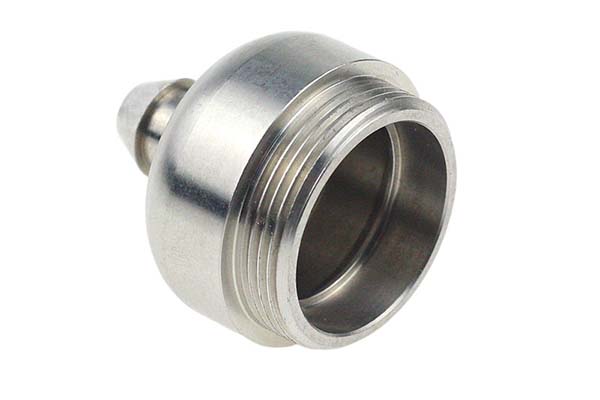
When your application involves bearings that must operate in wet, chemically exposed, or sanitary environments—food processing lines, marine equipment, or chemical pumps—you need a material that combines corrosion resistance with the hardness and wear resistance required for bearing service. EN 1.4125 stainless bearing steel delivers exactly this combination.
Key takeaways
- EN 1.4125 achieves its unique combination of properties through its martensitic microstructure and carefully balanced chemistry.
- This material is specified for bearing applications where corrosion resistance is required in addition to wear resistance.
- Producing EN 1.4125 requires precise control over chemistry and heat treatment to achieve the balance of corrosion resistance and hardness.
- Understanding the trade-offs between EN 1.4125 and alternative materials helps in making an informed selection.
What Makes EN 1.4125 Unique?
EN 1.4125 achieves its unique combination of properties through its martensitic microstructure and carefully balanced chemistry. Unlike austenitic stainless steels such as 304 or 316, which are soft and cannot be hardened by heat treatment, EN 1.4125 can be hardened to levels suitable for bearing applications.
The Chemistry Behind the Performance
The chemical composition of EN 1.4125 is designed to provide both hardenability and corrosion resistance. The high carbon content enables the formation of hard carbides, while the chromium provides corrosion resistance.
| Element | Content Range (%) | Why It Matters |
|---|---|---|
| Carbon (C) | 0.95 – 1.20 | Provides hardness and forms carbides for wear resistance. Essential for bearing performance. |
| Chromium (Cr) | 16.00 – 18.00 | Forms the passive oxide layer that provides corrosion resistance. Also forms chromium carbides for wear resistance. |
| Molybdenum (Mo) | 0.40 – 0.60 | Boosts corrosion resistance, particularly against pitting and crevice attack. |
| Manganese (Mn) | ≤ 1.00 | Improves workability and hardenability. |
| Silicon (Si) | ≤ 1.00 | Aids deoxidation during steelmaking. |
| Nickel (Ni) | ≤ 0.60 | Trace amount that slightly improves ductility. |
| Sulfur (S) / Phosphorus (P) | ≤ 0.030 / ≤ 0.040 | Kept low to maintain toughness and prevent brittleness. |
Key Insight: The combination of high carbon (0.95–1.20%) and high chromium (16–18%) is what distinguishes EN 1.4125 from other stainless steels. Austenitic grades like 304 have high chromium but low carbon, making them soft. Martensitic grades like EN 1.4125 balance both, allowing heat treatment to achieve bearing-grade hardness.
Mechanical Properties That Matter
EN 1.4125’s mechanical properties are achieved through quenching and tempering. The material is supplied in the annealed condition for machining and then heat-treated to final hardness.
| Property | Typical Value | Significance |
|---|---|---|
| Hardness | 58 – 62 HRC | Provides the wear resistance required for rolling element bearings and races. |
| Tensile Strength | ≥ 1700 MPa | Indicates the load-carrying capacity before fracture. |
| Yield Strength | ≥ 1500 MPa | Resists permanent deformation under heavy loads. |
| Elongation | ≥ 5% | Limited ductility, typical of hardened martensitic steels. |
| Fatigue Strength | ≥ 750 MPa | Critical for bearings that face repeated stress cycles. |
| Impact Toughness | ≥ 12 J | Provides some resistance to sudden shock loads. |
Case Study: A food manufacturer was using standard 100Cr6 bearings in bread dough mixers. The bearings failed every month due to rust from daily water cleaning. They switched to EN 1.4125 bearings with passivation treatment. Bearing life increased to 12 months—a 12x improvement. Maintenance costs dropped by 80%, and production downtime from bearing failures was eliminated.
Where Does EN 1.4125 Deliver the Most Value?
This material is specified for bearing applications where corrosion resistance is required in addition to wear resistance. It is used across food processing, marine, chemical, and medical industries.
Food Processing Equipment
Food processing environments require frequent cleaning with water, steam, and sanitizing chemicals. Bearings must resist corrosion and be easy to clean.
- Conveyor bearings: Bearings that support food-grade conveyor belts.
- Mixer bearings: Bearings in dough mixers, blenders, and food processors.
- Filling machine bearings: Bearings in equipment that fills bottles, cans, and packages.
- Sanitary applications: Components that must meet FDA standards for food contact.
Case Study: A meat processing plant used standard steel bearings in their conveyor systems. Despite regular cleaning, the bearings rusted within weeks, contaminating product and requiring frequent replacement. They switched to EN 1.4125 bearings with polished surfaces. The new bearings resisted corrosion from daily washdowns, and the smooth surfaces prevented bacterial growth. Bearing life extended from weeks to over two years.
Marine Applications
Marine environments are highly corrosive due to saltwater exposure. Bearings in boats, ships, and offshore equipment require corrosion resistance.
- Propeller shaft bearings: Bearings that support drive shafts in marine propulsion systems.
- Deck equipment bearings: Bearings in winches, cranes, and other deck machinery.
- Engine bearings: Bearings in marine diesel engines exposed to humid, salty air.
Case Study: A boat builder was experiencing propeller shaft bearing failures every six months due to saltwater corrosion. They replaced the standard steel bearings with EN 1.4125 bearings. After the switch, bearings lasted three years—a sixfold improvement. The builder saved $20,000 per boat in maintenance costs over the vessel’s service life.
Chemical and Industrial Processing
Chemical plants and industrial facilities often have equipment exposed to corrosive chemicals, solvents, and humidity.
- Chemical pump bearings: Bearings in pumps that handle acids, alkalis, and solvents.
- Wastewater treatment bearings: Bearings in equipment exposed to sewage and treatment chemicals.
- Humid environment bearings: Bearings in factories with high humidity or washdown requirements.
Medical Devices
Medical equipment requires materials that can withstand sterilization and resist corrosion.
- Surgical tool bearings: Bearings in power tools used in operating rooms.
- Sterilizable equipment: Bearings in equipment that undergoes autoclaving.
- Diagnostic equipment: Bearings in MRI, CT, and other imaging systems.
Automotive and Aerospace
Specialized automotive and aerospace applications use EN 1.4125 where corrosion resistance is required.
- Undercarriage bearings: Bearings exposed to road salt and moisture.
- Fuel system bearings: Bearings in aircraft fuel systems that resist fuel and moisture.
- Washing equipment bearings: Bearings in car wash equipment.
How Is EN 1.4125 Manufactured and Processed?
Producing EN 1.4125 requires precise control over chemistry and heat treatment to achieve the balance of corrosion resistance and hardness.
Steelmaking
EN 1.4125 is produced in an electric arc furnace (EAF) with argon oxygen decarburization (AOD). This process allows precise control of carbon content (critical for hardness) and ensures high chromium levels (for corrosion resistance). The AOD process also removes impurities that could affect corrosion performance.
Rolling and Forming
After steelmaking, the material is:
- Hot rolled at 1,100–1,200°C into billets and bars.
- Cold rolled for precision applications requiring tight tolerances and smooth surface finishes.
- Forged for complex shapes such as custom bearing rings. Forging refines the grain structure, enhancing both strength and corrosion resistance.
Heat Treatment
Heat treatment is critical for achieving the final hardness and corrosion resistance.
- Solution annealing: Heat to 1,000–1,050°C, then air cool. This softens the steel for machining and dissolves carbides for uniform properties.
- Quenching: Reheat to 950–1,000°C, then rapidly cool in oil. This forms the hard martensitic structure.
- Tempering: Reheat to 150–200°C to reduce brittleness while maintaining hardness (58–62 HRC). Temperatures above 200°C may reduce hardness and are generally avoided for bearing applications.
Machining and Surface Treatment
EN 1.4125 is machined in the annealed condition, then heat-treated and finished.
- Grinding: After heat treatment, surfaces are ground to achieve the precision required for bearing races and rolling elements.
- Passivation: A nitric acid treatment strengthens the chromium oxide layer, boosting corrosion resistance. This is essential for food and marine applications.
- Polishing: A mirror finish is often specified for sanitary applications to prevent bacterial growth and facilitate cleaning.
- Coating: PTFE or other low-friction coatings can be added for applications requiring additional chemical resistance or reduced friction.
Quality Control
Rigorous testing ensures EN 1.4125 meets specifications.
- Chemical analysis: Spectrometry verifies carbon, chromium, and other elements.
- Hardness testing: Ensures 58–62 HRC after heat treatment.
- Corrosion testing: Salt spray tests (ASTM B117) confirm corrosion resistance.
- Dimensional inspection: CMMs verify tolerances for bearing fits.
How Does EN 1.4125 Compare to Other Materials?
Understanding the trade-offs between EN 1.4125 and alternative materials helps in making an informed selection.
| Material | Corrosion Resistance | Hardness (HRC) | Relative Cost | Best For |
|---|---|---|---|---|
| EN 1.4125 | Good | 58 – 62 | 100% | Wet, corrosive bearing applications |
| 100Cr6 (SUJ2) | Poor | 60 – 64 | 60% | Dry industrial bearings |
| AISI 304 (Austenitic) | Excellent | 20 – 25 | 80% | Structural components, not bearings |
| AISI 316 (Austenitic) | Excellent | 20 – 25 | 110% | Chemical tanks, not bearings |
| AISI 440C | Good | 58 – 62 | 105% | U.S. equivalent to EN 1.4125 |
| Ceramic (Si₃N₄) | Excellent | 75 – 80 | 400% | High-speed, high-temperature applications |
| PTFE Plastic | Excellent | N/A | 150% | Low-load, low-speed applications |
Key Insights:
- Compared to 100Cr6, EN 1.4125 offers excellent corrosion resistance for a 40–50% cost premium. For wet applications, this premium is essential.
- Compared to austenitic stainless steels like 304, EN 1.4125 offers bearing-grade hardness that austenitic grades cannot achieve. For bearing applications, EN 1.4125 is the correct choice.
- Compared to AISI 440C, EN 1.4125 is functionally equivalent. The choice depends on whether European (EN) or U.S. (AISI) standards are required.
How to write a spec that gets priced correctly
A drawing is a contract. If it leaves a number open, the shop fills that number in with its own default. The default is rarely the one you had in mind. Put these five lines on every RFQ and most of the back-and-forth disappears before it starts.
- Alloy designation and the standard behind it
- Temper or heat treatment condition
- Mechanical properties you actually need
- Mill certificate and traceability requirement
- Finish and the faces it applies to
The point is not paperwork. Each line removes a decision the shop would otherwise make for you. A complete RFQ comes back priced. An incomplete one comes back guessed.
What actually drives the price
Buyers usually push on material because it is the line they can see. In practice the material is rarely the biggest number on a quote. These five lines decide most of it:
- alloy grade and mill availability
- stock size versus finished size
- heat treatment and testing
- machinability
- certification
Ask for the quote split by line. A supplier who cannot break it down is guessing, and you will pay for the guess. The line you can usually renegotiate is the tolerance band, not the raw material.
Problems you will meet, and the fix
Every process has a failure mode it prefers. The same four show up again and again on this kind of work, and none of them are mysteries once you know what to look for.
- Substituting a similar grade without telling anyone
- Hardness that varies across a single bar
- Corrosion in a weld heat-affected zone
- Distortion after heat treatment on a thin part
Catch the fault on the first part, not the hundredth. A first-article check costs an hour. A bad batch costs the whole order. Write the check into the purchase order so nobody has to remember it.
What to check on the first article
The first article is the cheapest inspection you will ever buy. Use it properly and the rest of the run becomes boring, which is exactly what you want.
- Every dimension on the drawing, with the measured value written beside it.
- The material certificate, matched to the heat or lot number on the parts.
- The finish against the sample you approved, under the same light.
- Fit against the mating part, assembled rather than measured.
- Packaging, because parts that arrive damaged were never in tolerance.
Check in this order: datums, then mating features, then cosmetic faces. If the datums are wrong, every number after them is noise. Keep the report on file. When a problem shows up in month six, that document is the only thing that tells you what changed.
How to compare two quotes fairly
Two numbers are not comparable unless the scope matches. Line them up before you decide, because a low number with three gaps is not a low number.
Same drawing, same material, same finish, same inspection. Anything else is a different job wearing the same part number. Then look at what each quote leaves out. Freight, packaging, certificates and tooling are the usual gaps.
Ask each supplier to state their assumptions in writing. The one who does is usually the one who has run the process before.
Scaling from one part to a batch
The first part teaches you the process. The hundredth teaches you the process cost.
Watch three things as volume grows: setup amortisation, tool wear, and how much hand work the finish still needs. If the unit price barely moves between ten and a hundred, the cost sits in material or in hand work, not in setup. Ask which, because only one of them is negotiable.
Lead time behaves the same way. A one-off is scheduled around other jobs. A repeat order is scheduled around your forecast. Give the shop a forecast and the lead time gets shorter, not longer.
What About Magnetic Properties?
EN 1.4125 is ferromagnetic (magnetic). This distinguishes it from austenitic stainless steels like 304 and 316, which are non-magnetic. The magnetic property can be useful for sorting and for applications where magnetic retention is required.
EN 1.4125 stainless bearing steel fills a critical gap in the material landscape. It offers the hardness and wear resistance required for bearing applications while providing corrosion resistance that standard bearing steels lack. For food processing equipment, marine applications, chemical plants, and medical devices—where bearings must survive in wet or corrosive environments—EN 1.4125 is a proven, reliable solution. When paired with proper heat treatment, passivation, and precision finishing, it delivers long service life and reduces maintenance costs in demanding applications.
FAQ About EN 1.4125 Stainless Bearing Steel
Is EN 1.4125 magnetic?
Yes. EN 1.4125 is a martensitic stainless steel, which is ferromagnetic (attracts magnets). This differs from austenitic stainless steels such as AISI 304 and 316, which are non-magnetic. The magnetic property can be useful for sorting and handling.
Can EN 1.4125 withstand saltwater environments?
Yes. Its high chromium content (16–18%) provides good resistance to saltwater corrosion, making it suitable for marine applications such as boat engines, propeller shafts, and deck equipment. For extended saltwater exposure, passivation or coating is recommended for additional protection.
How does EN 1.4125 compare to AISI 440C?
EN 1.4125 and AISI 440C are functionally equivalent martensitic stainless bearing steels. EN 1.4125 follows European standards (EN 10088-3), while AISI 440C follows U.S. standards. Both have similar carbon content (0.95–1.20% for EN 1.4125, 0.95–1.10% for 440C) and chromium content (16–18%). They are generally interchangeable, with the choice depending on regional standards and availability.
What surface treatment is recommended for EN 1.4125 in food processing applications?
For food processing applications, passivation is essential to strengthen the chromium oxide layer and maximize corrosion resistance. For sanitary applications, polishing to a mirror finish (Ra ≤ 0.4 μm) is recommended to prevent bacterial growth and facilitate cleaning. These treatments help meet FDA and EHEDG standards for food contact equipment.
Our solution for EN 1.4125 Stainless Bearing Steel
YiguProto runs metal sourcing and machining in house, from a single prototype to a production batch. We quote the process, the material and the finish as separate lines, so you can see where the money goes instead of arguing with one number.
Send a STEP file or a drawing and you get a DFM report in one to two business days. It flags the features that add cost and the features that will not hold tolerance on the process you picked.
Every order ships with an inspection report on the features you call out. If a part misses, we make it again. Ready to price a part? Start with a free quote and DFM review, or read more about our metal sourcing and machining. You can also talk to an engineer before you commit to a drawing.
FAQ about EN 1.4125 Stainless Bearing Steel
What is the lead time for EN 1.4125 Stainless Bearing Steel?
Expect 5 to 12 business days depending on mill stock. Tooling, material stock and the finishing queue all move that number, so we confirm the date in writing before the run starts rather than after.
What files do you need in order to quote?
A STEP file plus a PDF drawing that carries the same revision letter. The model carries the geometry and the drawing carries the intent. When the two disagree, the shop picks one, and it is never the one you meant.
What should I check before approving the parts?
Datums first, then the features that mate, then the cosmetic faces. Ask for a dimensional report, a material certificate and a finish sample. A part can be inside every tolerance and still not fit, so assemble one before you sign.
Is there a minimum order quantity?
No hard minimum. One part is fine. What changes with volume is which costs dominate, so a single unit is priced mostly on setup and a thousand units are priced mostly on cycle time and material.
Does the process work for prototypes as well as production?
Yes, and that is usually the point. Running the prototype on the production process removes a whole class of surprises, because the part you test is made the same way as the part you sell.
How much does EN 1.4125 Stainless Bearing Steel cost?
Price comes from five lines: material, machine or tool time, setup, finishing and inspection. The material itself is usually the smallest of them. Send a drawing and we will split the quote so you can see which line is doing the damage.
The short version
EN 1.4125 Stainless Bearing Steel rewards the buyer who reads the data sheet and the drawing together. Pick the option for the property that matters, not for the price per kilo.
Tighten only what mates. Test a sample before the run. Then let the process do the rest.