
Industry Applications
Are Extruded Aluminum Brackets the Right Choice for Your Project?
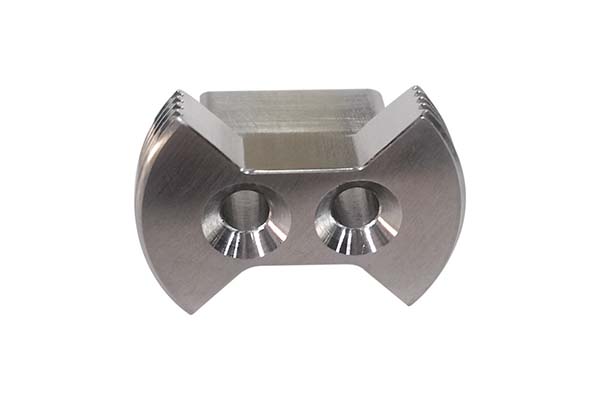
If you’re searching for a durable, versatile, and cost-effective mounting solution, extruded aluminum brackets are likely at the top of your list. But what makes them stand out from other materials like steel, plastic, or wood?
Key takeaways
- Before diving into uses and benefits, let’s start with the basics: what exactly is an extruded aluminum bracket?
- Why do engineers, DIYers, and businesses keep coming back to extruded aluminum brackets? Let’s break down their most impactful advantages:
- Choosing the wrong bracket can lead to safety hazards, wasted money, or a failed project. Follow these steps to select the perfect one:
- Even the best bracket will fail if installed incorrectly. Follow these expert tips to get it right:
What Are Extruded Aluminum Brackets, and How Do They Differ from Other Brackets?
Before diving into uses and benefits, let’s start with the basics: what exactly is an extruded aluminum bracket?
An extruded aluminum bracket is a structural component made by pushing aluminum alloy through a custom die (a metal mold) to create a specific cross-sectional shape. Unlike cast aluminum (poured into molds) or machined aluminum (cut from solid blocks), extrusion allows for complex, consistent shapes—think grooves, channels, or holes—that are ready to use with minimal additional processing.
How Extruded Aluminum Compares to Other Materials
To understand why this matters, let’s compare extruded aluminum brackets to common alternatives:
| Material | Strength-to-Weight Ratio | Corrosion Resistance | Customization | Cost (Per Unit) | Best For |
|---|---|---|---|---|---|
| Extruded Aluminum | Excellent (2.7g/cm³, 275 MPa tensile) | High (natural oxide layer; can be anodized) | Very High (custom dies for shapes) | $5–$50 | Indoor/outdoor, industrial, DIY |
| Steel | Good (7.8g/cm³, 450 MPa tensile) | Low (prone to rust; needs coating) | Medium (limited to simple shapes) | $3–$35 | Heavy-load indoor projects |
| Plastic (ABS/PVC) | Poor (1.05–1.4g/cm³, 40–60 MPa) | High (resists moisture) | High (injection molding) | $2–$20 | Light-load indoor use |
| Wood | Low (0.5–0.8g/cm³, 30–80 MPa) | Very Low (rots/warps) | Low (shaping requires tools) | $1–$15 | Decorative indoor projects |
Real-world example: A solar panel installer in Florida switched from steel brackets to extruded aluminum. The result? A 40% reduction in weight (making installation faster and safer) and zero rust after 5 years—even in the humid, salty coastal air. Steel brackets, by contrast, required repainting every 2 years to prevent corrosion.
What Are the Key Benefits of Extruded Aluminum Brackets?
Why do engineers, DIYers, and businesses keep coming back to extruded aluminum brackets? Let’s break down their most impactful advantages:
Exceptional Strength-to-Weight Ratio
Aluminum is 1/3 the weight of steel but still offers impressive strength. For example, a 10-inch extruded aluminum bracket can support up to 50 lbs (depending on design) while weighing just 0.5 lbs—compared to a steel bracket of the same size, which might weigh 1.5 lbs but only support 10–15 lbs more.
This makes extruded aluminum ideal for applications where weight matters:
- Mounting signage on walls: Reduces stress on building structures
- Supporting HVAC ductwork: Easier to hang, less strain on ceilings
- Building outdoor furniture: Portable yet sturdy
Natural Corrosion Resistance
Aluminum forms a thin, invisible oxide layer when exposed to air. This layer acts as a barrier against moisture, salt, and chemicals—so extruded aluminum brackets won’t rust or corrode like steel.
For even more protection, you can add finishes like:
| Finish | Process | Best For |
|---|---|---|
| Anodizing | Electrochemical process that thickens oxide layer | Marine environments, outdoor projects |
| Powder Coating | Durable paint-like finish | Decorative applications, retail displays |
Expert tip: A study by the Aluminum Association found that anodized extruded aluminum has a lifespan of 30+ years in outdoor environments—twice as long as powder-coated steel.
Easy Customization
One of the biggest perks of extrusion is the ability to create custom shapes. Whether you need:
- Pre-drilled holes
- A channel for wiring
- A unique curve for a specific design
Manufacturers can create a die to match your exact needs. This eliminates expensive post-processing (like drilling or cutting) and ensures a perfect fit.
Example: A furniture designer needed brackets for a floating desk that could hide cables. We created a custom extruded aluminum bracket with a built-in channel—no extra holes or modifications required. The result was a cleaner look and faster assembly.
Cost-Effective in the Long Run
While extruded aluminum brackets may cost a bit more upfront than plastic or uncoated steel, they save money over time:
- Low maintenance: No repainting, rust removal, or replacement due to corrosion
- Long lifespan: 20–30 years of use (vs. 5–10 years for plastic or steel)
- Energy efficiency: Lighter weight means lower shipping costs and easier installation
A small business owner using extruded aluminum brackets for retail displays calculated they saved $2,000 over 5 years compared to using steel—thanks to lower maintenance and no need to replace rusted parts.
How to Choose the Right Extruded Aluminum Bracket
Choosing the wrong bracket can lead to safety hazards, wasted money, or a failed project. Follow these steps to select the perfect one:
Step 1: Define Your Load Requirements
First, figure out how much weight the bracket needs to support. Be realistic—add a 20% “safety margin” to account for unexpected weight.
Most manufacturers list the maximum load capacity of their brackets:
| Duty Level | Load Capacity | Typical Applications |
|---|---|---|
| Light-duty | 5–25 lbs | Small shelves, picture frames, cable management |
| Medium-duty | 25–75 lbs | Larger shelves, small TVs, HVAC components |
| Heavy-duty | 75+ lbs | Solar panels, large signage, industrial equipment |
Mistake to avoid: A homeowner once used a light-duty bracket to mount a 40-lb TV. The bracket failed after 6 months, damaging the TV and wall. Always match the bracket’s load capacity to your needs.
Step 2: Consider the Environment
Where will the bracket be used?
| Environment | Recommended Finish |
|---|---|
| Indoor (dry) | Standard extruded aluminum (no extra finish) |
| Outdoor (moist/salty) | Anodized or powder-coated |
| Marine | 6061-T6 aluminum alloy (most corrosion-resistant) |
| High-temperature | 5052-H32 alloy (withstands up to 300°F/150°C) |
Step 3: Pick the Right Shape and Size
Extruded aluminum brackets come in dozens of shapes, each designed for specific uses:
| Shape | Best For |
|---|---|
| L-shaped | Mounting shelves to walls, supporting corners (most common) |
| U-shaped (channel) | Hiding cables, supporting long loads (LED light strips) |
| T-shaped | Connecting two components at a right angle |
| Custom | Unique projects (curved brackets, specialized mounting) |
Size guideline: For a 24-inch shelf, use brackets that extend at least 12 inches from the wall (half the shelf length) for stability.
Installation Tips for Extruded Aluminum Brackets
Even the best bracket will fail if installed incorrectly. Follow these expert tips to get it right:
Use the Right Fasteners
Extruded aluminum is softer than steel, so using the wrong screws can strip the material:
| Fastener Type | Best For |
|---|---|
| Self-tapping screws | Light loads—look for sharp points and coarse threads |
| Machine screws with nuts/washers | Heavy loads—distributes weight evenly |
| Anchors | Drywall or concrete—match to load capacity |
Pro tip: Pre-drill small pilot holes (1/16 inch smaller than screw diameter) to prevent the aluminum from cracking.
Ensure Level and Secure Mounting
A crooked bracket can cause the load to shift, leading to failure:
- Use a level before tightening all screws
- For heavy loads, use two brackets instead of one to distribute weight
- Follow manufacturer torque specifications (e.g., 10 ft-lbs) to avoid over-tightening
How to Maintain Extruded Aluminum Brackets
Extruded aluminum brackets are low-maintenance, but a little care extends their lifespan:
Clean Regularly
| Location | Cleaning Method |
|---|---|
| Indoor | Damp cloth with mild soap (avoid harsh chemicals) |
| Outdoor | Garden hose every 3–6 months; soft brush for buildup |
Never use a wire brush—it can scratch the finish and expose aluminum to corrosion.
Inspect for Damage
Check brackets every 6–12 months for:
- Bending or warping: Sign of overloading—replace immediately
- Scratches or chips: Touch up with matching paint or anodizing spray
- Loose screws: Tighten with screwdriver (don’t over-tighten)
Address Corrosion Early
If you see small spots of white or gray oxide (aluminum “rust”):
- Gently sand with fine-grit sandpaper (400–600 grit)
- Apply a clear sealant
- For large areas, replace the bracket—corrosion weakens the aluminum
Extruded aluminum brackets offer a unique combination of strength, light weight, corrosion resistance, and customizability that makes them ideal for countless applications—from DIY projects to industrial installations.
Key takeaways:
- Superior to steel, plastic, and wood in strength-to-weight ratio and corrosion resistance
- Customizable shapes eliminate expensive post-processing
- Long lifespan (20–30 years) with minimal maintenance
- Choose based on load requirements, environment, and shape
- Install correctly with proper fasteners and level mounting
- Maintain regularly with gentle cleaning and inspection
Whether you’re mounting solar panels, building furniture, or organizing industrial equipment, extruded aluminum brackets provide the reliability and versatility you need.
How to write a spec that gets priced correctly
A drawing is a contract. If it leaves a number open, the shop fills that number in with its own default. The default is rarely the one you had in mind. Put these five lines on every RFQ and most of the back-and-forth disappears before it starts.
- The application and the environment it runs in
- The standard the part must meet
- Process and material that can meet it
- Inspection and documentation package
- Volume and ramp schedule
The point is not paperwork. Each line removes a decision the shop would otherwise make for you. A complete RFQ comes back priced. An incomplete one comes back guessed.
What actually drives the price
Buyers usually push on material because it is the line they can see. In practice the material is rarely the biggest number on a quote. These five lines decide most of it:
- process selection
- material and certification
- tolerance band
- inspection and documentation
- volume
Ask for the quote split by line. A supplier who cannot break it down is guessing, and you will pay for the guess. The line you can usually renegotiate is the tolerance band, not the raw material.
Problems you will meet, and the fix
Every process has a failure mode it prefers. The same four show up again and again on this kind of work, and none of them are mysteries once you know what to look for.
- A consumer-grade process chosen for an industrial duty
- Documentation that arrives after the parts
- A tolerance tighter than the application needs
- No plan for the second source
Catch the fault on the first part, not the hundredth. A first-article check costs an hour. A bad batch costs the whole order. Write the check into the purchase order so nobody has to remember it.
What to check on the first article
The first article is the cheapest inspection you will ever buy. Use it properly and the rest of the run becomes boring, which is exactly what you want.
- Every dimension on the drawing, with the measured value written beside it.
- The material certificate, matched to the heat or lot number on the parts.
- The finish against the sample you approved, under the same light.
- Fit against the mating part, assembled rather than measured.
- Packaging, because parts that arrive damaged were never in tolerance.
Check in this order: datums, then mating features, then cosmetic faces. If the datums are wrong, every number after them is noise. Keep the report on file. When a problem shows up in month six, that document is the only thing that tells you what changed.
How to compare two quotes fairly
Two numbers are not comparable unless the scope matches. Line them up before you decide, because a low number with three gaps is not a low number.
Same drawing, same material, same finish, same inspection. Anything else is a different job wearing the same part number. Then look at what each quote leaves out. Freight, packaging, certificates and tooling are the usual gaps.
Ask each supplier to state their assumptions in writing. The one who does is usually the one who has run the process before.
Scaling from one part to a batch
The first part teaches you the process. The hundredth teaches you the process cost.
Watch three things as volume grows: setup amortisation, tool wear, and how much hand work the finish still needs. If the unit price barely moves between ten and a hundred, the cost sits in material or in hand work, not in setup. Ask which, because only one of them is negotiable.
Lead time behaves the same way. A one-off is scheduled around other jobs. A repeat order is scheduled around your forecast. Give the shop a forecast and the lead time gets shorter, not longer.
How to read a supplier's quote
A quote is a short document with a long shadow. Four things in it decide whether the job runs smoothly, and only one of them is the price.
- The scope line. It should name the process, the material and the finish, not just the part.
- The tolerance basis. General tolerance or the drawing, and which standard it follows.
- The exclusions. Tooling, freight, certificates and inspection are the usual omissions.
- The validity date. Material prices move, and an open-ended quote is a promise nobody can keep.
Read the exclusions before you read the total. A quote that leaves out tooling is not cheaper. It is a quote for a different job.
FAQ About Extruded Aluminum Brackets
Can extruded aluminum brackets be painted?
Yes! Clean the bracket with soap and water, apply a primer designed for aluminum (e.g., Rust-Oleum Aluminum Primer), then use latex or oil-based paint. For best results, consider anodizing or powder coating instead.
What’s the maximum weight an extruded aluminum bracket can support?
It depends on size, shape, and alloy. Light-duty brackets (6 inches): 5–25 lbs. Heavy-duty (24 inches, 6061-T6 alloy): 100+ lbs. Always check manufacturer load ratings.
Are extruded aluminum brackets suitable for outdoor use?
Absolutely—they’re one of the best materials for outdoor projects. For maximum corrosion resistance, choose anodized or powder-coated brackets. Avoid bare aluminum in salty environments unless you add a protective finish.
How long do extruded aluminum brackets last?
With proper care: 20–30 years. Anodized brackets in outdoor environments can last 30+ years. Indoor brackets may never need replacement.
Can I cut or modify an extruded aluminum bracket myself?
Yes—use a hacksaw, miter saw, or jigsaw with a metal-cutting blade. Drill holes with metal drill bits and pre-drill pilot holes to prevent cracking. For complex modifications (bending), work with a professional—aluminum can crack if bent incorrectly.
What alloy is best for extruded aluminum brackets?
- 6061-T6: Most common; excellent strength and corrosion resistance
- 5052-H32: Better for high-temperature applications (up to 300°F)
- 6063: Good for decorative applications; easily anodized
How do I clean extruded aluminum brackets?
For indoor: damp cloth with mild soap. For outdoor: garden hose rinse every 3–6 months. For stubborn buildup: soft brush and soapy water. Never use wire brushes or harsh chemicals.
Our solution for Extruded Aluminum Brackets
YiguProto runs contract manufacturing in house, from a single prototype to a production batch. We quote the process, the material and the finish as separate lines, so you can see where the money goes instead of arguing with one number.
Send a STEP file or a drawing and you get a DFM report in one to two business days. It flags the features that add cost and the features that will not hold tolerance on the process you picked.
Every order ships with an inspection report on the features you call out. If a part misses, we make it again. Ready to price a part? Start with a free quote and DFM review, or read more about our contract manufacturing. You can also talk to an engineer before you commit to a drawing.
FAQ about Extruded Aluminum Brackets
What is Extruded Aluminum Brackets used for?
Extruded Aluminum Brackets turns up wherever the part has to do a real job at a predictable cost: brackets, housings, fixtures, covers and the fittings that hold them together. The honest test is whether the properties match the load and the environment, not whether the material is fashionable.
Does the process work for prototypes as well as production?
Yes, and that is usually the point. Running the prototype on the production process removes a whole class of surprises, because the part you test is made the same way as the part you sell.
How much does Extruded Aluminum Brackets cost?
Price comes from five lines: material, machine or tool time, setup, finishing and inspection. The material itself is usually the smallest of them. Send a drawing and we will split the quote so you can see which line is doing the damage.
What is the lead time for Extruded Aluminum Brackets?
Expect 5 to 20 business days depending on process and volume. Tooling, material stock and the finishing queue all move that number, so we confirm the date in writing before the run starts rather than after.
What happens if a part is out of specification?
We measure it against the same drawing you approved and, if it misses, we make it again. What matters is that the report exists, because a disagreement without data is just an opinion.
What should I check before approving the parts?
Datums first, then the features that mate, then the cosmetic faces. Ask for a dimensional report, a material certificate and a finish sample. A part can be inside every tolerance and still not fit, so assemble one before you sign.
The short version
Extruded Aluminum Brackets rewards the buyer who reads the data sheet and the drawing together. Pick the option for the property that matters, not for the price per kilo.
Tighten only what mates. Test a sample before the run. Then let the process do the rest.