
Blogs
Our Flame Retardant Plastics Injection Molding Services
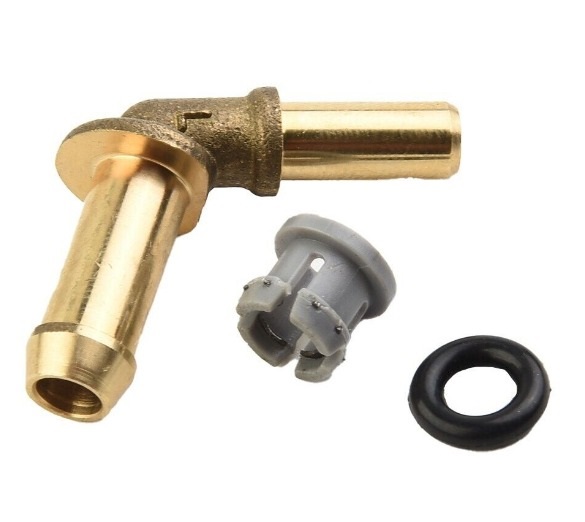
Our Flame Retardant Plastics Injection Molding Services, explained the way we would explain it across a table: what it is good at, what it costs you, and the details that keep the part out of the scrap bin.
Key takeaways
- Safeguard your products with our industry-leading flame-retardant injection molding services.
- We offer a comprehensive suite of flame-retardant injection molding capabilities tailored to industries where fire safety is non-negotiable.
- Flame-retardant injection molding is a specialized manufacturing process that produces plastic parts engineered to resist ignition, slow flame spread, or self-extinguish.
- The flame-retardant injection molding process is optimized to preserve FR additive performance and ensure consistent fire safety.
Our Flame Retardant Plastics Injection Molding Services
Safeguard your products with our industry-leading flame-retardant injection molding services.
Specializing in FR plastic molding for EV, electronics, and aerospace, we deliver UL 94 V-0 parts—from thin-wall 0.3 mm components to large structural parts—with halogen-free options and rapid UL listing support. Partner with experts in fire-resistant polymer molding to balance fire safety, performance, and design freedom.

Our Flame Retardant Plastics Molding Capabilities
We offer a comprehensive suite of flame-retardant injection molding capabilities tailored to industries where fire safety is non-negotiable. Below is a detailed breakdown of our core strengths:
| Capability | Key Features | Typical Applications |
| UL-Certified FR Molding | Produces parts meeting UL 94 V-0/5 VA, GWIT 775 °C, CTI ≥ 600 V; in-house UL testing support | EV battery housings, circuit breaker housings |
| Multi-Shot FR Parts | 2–3 shot cycles; bonds FR resins (e.g., FR-PC) with non-FR materials (e.g., TPE); reduces assembly | Power-tool casings (FR body + soft grip), 2-shot FR/TPE seals |
| Insert Molding FR | Integrates metal inserts (threads, terminals) into FR parts; no loss of fire safety | Connector FR (FR-PA66 + copper terminals), server chassis components |
| Clean-Room FR | Class 8 clean rooms; ISO 14001 compliant; suitable for medical/electronics | Medical FR devices (sterilizable FR-PEEK), LED drivers (dust-free) |
| Thin-Wall FR Molding | Molds parts as thin as 0.3 mm; maintains UL 94 V-0 (tested at 0.4 mm) | FR-LCP antenna (0.2 mm), micro-electronics FR enclosures |
| Large-Part FR Molding | Molds parts up to 1.5m in length; uses 800+ ton presses | Railway FR parts (seat frames), aerospace interior panels |
| Global FR Supply | Warehouses in 5 regions (NA, EU, APAC, MEA, SA); 4–6 day delivery for UL-certified parts | Multi-national EV makers, global electronics brands |
Our rapid UL listing support also streamlines certification—we handle testing documentation and liaison with UL, cutting listing time by 30%.
What Is Flame Retardant Plastics Injection Molding?
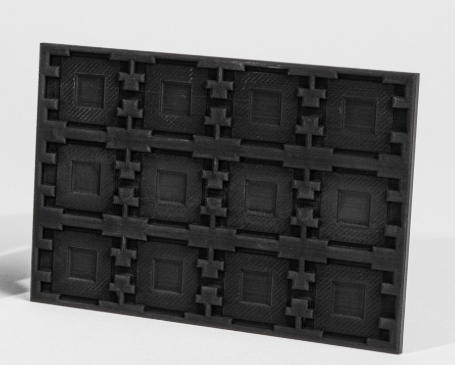
Flame-retardant injection molding is a specialized manufacturing process that produces plastic parts engineered to resist ignition, slow flame spread, or self-extinguish. Unlike standard injection molding, FR plastic molding focuses on integrating flame-retardant (FR) additives (e.g., aluminum phosphinate, nitrogen intumescent) into thermoplastics to meet strict fire safety standards—most notably UL 94 V-0 (the gold standard for flammability).
At its core, fire-resistant polymer molding transforms FR-enhanced resins into self-extinguishing plastics via controlled heating, injection, and cooling. Our thermoplastic FR service simplifies this technology: we explain how ignition-resistant molding differs from conventional processes—emphasizing its focus on additive dispersion, uniform part cooling, and post-mold testing to ensure flame-proof injection parts perform reliably in high-risk environments (e.g., EV battery housings, circuit breakers).
Key terms in fire-safe plastic components production include:
- UL 94 V-0: A standard where parts self-extinguish within 10 seconds of removing the ignition source (tested at 0.4 mm thickness).
- Halogen-Free FR: FR additives not including bromine/chlorine (eco-friendly, low smoke emission).
- 5 VA Rating: A higher UL 94 standard (parts don’t burn through, even after multiple ignitions).
The Flame Retardant Plastics Injection Molding Process
The flame-retardant injection molding process is optimized to preserve FR additive performance and ensure consistent fire safety. Below is a step-by-step overview with critical parameters:
Step 1: Material Preparation
- Moisture Pre-Dry: FR resins (e.g., FR-PA66, FR-PC) undergo 4 hours of drying at 80–100°C to remove moisture—critical for avoiding defects (moisture causes bubbles, which weaken FR performance).
- Additive Handling: FR additives (e.g., red-phosphorus PA, aluminum phosphinate) are pre-compounded with resins to ensure uniform dispersion (poor dispersion leads to inconsistent flammability ratings).
Step 2: Injection Setup
- Melt Temperature: 220–320°C (material-dependent: FR-ABS = 220–260°C; FR-PEEK = 300–320°C); precise temp control (±5°C) prevents additive degradation.
- Mold Temperature: 60–100°C (maintained via water heating); uniform temp ensures consistent part density (density affects fire resistance).
- Screw Design: Low-shear screw (20:1 L/D ratio) to avoid breaking down FR additives (shear reduces additive effectiveness).
Step 3: Injection & Monitoring
- Hot-Runner Valve Gate: Precise flow control; maintains melt temp to avoid cold spots (cold spots create weak points in FR performance).
- Venting for Additives: Enhanced venting (0.02 mm gap) to release gas from FR additives (trapped gas causes voids).
- Uniform Fill Speed: 30–50 mm/s fill speed to ensure even resin flow (uneven flow leads to inconsistent additive distribution).
Step 4: Post-Molding & Testing
- Post-Mold Anneal: 1–2 hours at 80–120°C to relieve internal stress; critical for thin-wall FR parts (stress causes warping, which fails UL tests).
- CTQ Fire Testing: 100% of parts undergo Critical-to-Quality (CTQ) testing (e.g., UL 94 vertical burn, GWIT) in our in-house lab to ensure compliance.
Flame Retardant Plastics Materials: Options for Fire-Safe Performance
The right FR plastic balances fire safety, mechanical strength, and cost. We offer a range of FR resins tailored to industry needs:
| Material Type | Key Fire Safety Ratings | Mechanical Properties | Ideal Applications |
| FR-PC (Polycarbonate) | UL 94 V-0 (0.4 mm); CTI ≥ 600 V | Impact strength: 60 kJ/m²; heat resistance: 120°C HDT | EV battery covers (0.6 mm V-0), consumer electronics casings |
| FR-PA6/66 (Nylon) | UL 94 5 VA (1.6 mm); GWIT 775 °C | Tensile strength: 80–90 MPa; glass-filled (30%) for rigidity | Connector FR, power-tool casings, railway parts |
| FR-PBT (Polybutylene Terephthalate) | UL 94 V-0 (0.4 mm); halogen-free options | Chemical resistance; dimensional stability | Relay housings, LED drivers, automotive sensors |
| FR-PEEK (Polyether Ether Ketone) | UL 94 V-0 (0.2 mm); continuous use temp: 250°C | High strength; autoclavable | Medical FR devices, aerospace engine components |
| FR-LCP (Liquid Crystal Polymer) | UL 94 V-0 (0.1 mm); low warpage | High flow; micro-scale precision | 5G antenna FR (0.2 mm), micro-electronics enclosures |
| FR-PP (Polypropylene) | UL 94 V-0 (1.0 mm); lightweight | Flexible; recyclable | Consumer goods (FR food containers), automotive trim |
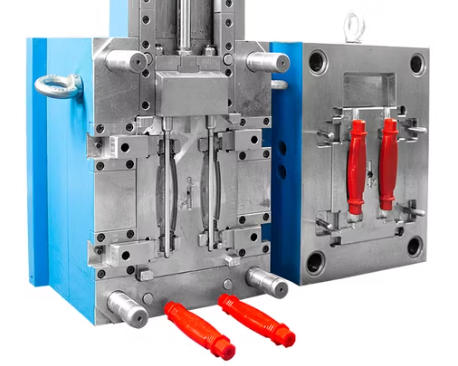
All materials meet global standards: UL 94 (flammability), IEC 60695 (fire testing), and IATF 16949 (automotive).
Key Advantages of Flame Retardant Plastics Injection Molding
Flame-retardant injection molding offers unmatched fire safety and performance over traditional materials (metal, non-FR plastics). Here’s how it delivers value:
| Advantage | Performance Metric | Why It Matters |
| UL 94 V-0 Certification | Self-extinguishes in <10 seconds (0.4 mm thickness); 5 VA option for severe conditions | Meets global fire safety regulations (e.g., IEC 60950 for electronics) |
| Halogen-Free Options | No bromine/chlorine; smoke density < 200 (ASTM E662); low toxic gas emission | Eco-friendly; safer for humans (reduces smoke inhalation risk) |
| High Thermal Stability | GWIT 775 °C (temperature at which ignition doesn’t occur); CTI ≥ 600 V (tracking resistance) | Withstands high heat (e.g., EV battery thermal events); prevents electrical fires |
| Lightweight vs. Metal | 40–60% lighter (FR-PC = 1.2 g/cm³; steel = 7.8 g/cm³) | Reduces weight for EV range (5–10% improvement) and aerospace fuel efficiency |
| Design Freedom | Molds complex shapes (e.g., 2-shot FR/TPE seals, micro-LCP antennas); no post-welding | Custom parts that metal can’t match (e.g., curved EV battery covers) |
| Cost-Effective | 50% cost reduction vs. metal (e.g., FR-PA66 connector vs. brass); high-volume production friendly | Lowers total cost of ownership for mass-market products (1M+ EV FR trays/yr) |
Industry Applications of Flame Retardant Plastics Injection Molding
Our flame-retardant injection molding services support critical applications across industries where fire safety is a top priority:
- Electric Vehicles (EV): EV battery housings (FR-PC 0.6 mm V-0), FR wiring harnesses, and EV FR trays (1M pcs/yr global program); protect against thermal runaway.
- Electronics: Connector FR (FR-PA66+GF30 5 VA), circuit breaker housings (FR-PBT halogen-free), and server chassis (FR-ABS conductive coating); prevent electrical fires.
- Aerospace: Aerospace interiors (FR-PC UV-stable), cargo hold components, and wire insulation (FR-PEEK); meet FAA fire safety standards (14 CFR 25.853).
- Railway: Railway FR parts (FR-PA66 seat frames, FR-PP floor panels); comply with EN 45545 (railway fire safety).
- Medical: Medical FR devices (FR-PEEK surgical tool handles, FR-PC diagnostic equipment); autoclavable and fire-safe for hospital use.
- Power Tools: Power-tool casings (2-shot FR-ABS/TPE), drill housings (FR-PA66); withstand heat from motor operation.
How to write a spec that gets priced correctly
A drawing is a contract. If it leaves a number open, the shop fills that number in with its own default. The default is rarely the one you had in mind. Put these five lines on every RFQ and most of the back-and-forth disappears before it starts.
- A model and a drawing that agree
- Material by standard number
- Tolerance only where it mates
- Finish and the faces it applies to
- Quantity and required date
The point is not paperwork. Each line removes a decision the shop would otherwise make for you. A complete RFQ comes back priced. An incomplete one comes back guessed.
What actually drives the price
Buyers usually push on material because it is the line they can see. In practice the material is rarely the biggest number on a quote. These five lines decide most of it:
- process choice
- material
- tolerance band
- finish
- volume
Ask for the quote split by line. A supplier who cannot break it down is guessing, and you will pay for the guess. The line you can usually renegotiate is the tolerance band, not the raw material.
Problems you will meet, and the fix
Every process has a failure mode it prefers. The same four show up again and again on this kind of work, and none of them are mysteries once you know what to look for.
- A drawing that contradicts the model
- A tolerance with no datum
- A cosmetic callout with no approved sample
- A quote compared against a different scope
Catch the fault on the first part, not the hundredth. A first-article check costs an hour. A bad batch costs the whole order. Write the check into the purchase order so nobody has to remember it.
What to check on the first article
The first article is the cheapest inspection you will ever buy. Use it properly and the rest of the run becomes boring, which is exactly what you want.
- Every dimension on the drawing, with the measured value written beside it.
- The material certificate, matched to the heat or lot number on the parts.
- The finish against the sample you approved, under the same light.
- Fit against the mating part, assembled rather than measured.
- Packaging, because parts that arrive damaged were never in tolerance.
Check in this order: datums, then mating features, then cosmetic faces. If the datums are wrong, every number after them is noise. Keep the report on file. When a problem shows up in month six, that document is the only thing that tells you what changed.
How to compare two quotes fairly
Two numbers are not comparable unless the scope matches. Line them up before you decide, because a low number with three gaps is not a low number.
Same drawing, same material, same finish, same inspection. Anything else is a different job wearing the same part number. Then look at what each quote leaves out. Freight, packaging, certificates and tooling are the usual gaps.
Ask each supplier to state their assumptions in writing. The one who does is usually the one who has run the process before.
Scaling from one part to a batch
The first part teaches you the process. The hundredth teaches you the process cost.
Watch three things as volume grows: setup amortisation, tool wear, and how much hand work the finish still needs. If the unit price barely moves between ten and a hundred, the cost sits in material or in hand work, not in setup. Ask which, because only one of them is negotiable.
Lead time behaves the same way. A one-off is scheduled around other jobs. A repeat order is scheduled around your forecast. Give the shop a forecast and the lead time gets shorter, not longer.
How to read a supplier's quote
A quote is a short document with a long shadow. Four things in it decide whether the job runs smoothly, and only one of them is the price.
- The scope line. It should name the process, the material and the finish, not just the part.
- The tolerance basis. General tolerance or the drawing, and which standard it follows.
- The exclusions. Tooling, freight, certificates and inspection are the usual omissions.
- The validity date. Material prices move, and an open-ended quote is a promise nobody can keep.
Read the exclusions before you read the total. A quote that leaves out tooling is not cheaper. It is a quote for a different job.
What to send with the first order
The first order sets the pattern for every order after it. Send a complete package once and the shop files it, and the second order takes a fraction of the time.
- A STEP or native model plus a PDF drawing carrying the same revision letter.
- The material callout by standard number, not by trade name.
- The finish and the exact faces it applies to.
- Any test the part must pass: fit, seal, drop, salt spray, dielectric.
- A contact who can answer a question inside one working day.
Then write down what was agreed. An email that confirms the material, the finish and the date is worth more than a longer purchase order that leaves them open.
Case Studies: Success with Flame Retardant Plastics Molding
Our clients rely on our flame-retardant injection molding expertise to solve their most critical fire safety challenges. Here are 3 standout projects:
Case 1: EV Battery Cover (FR-PC)
- Challenge: A global EV maker needed a FR-PC battery cover (0.6 mm thick) that met UL 94 V-0, weighed 30% less than aluminum, and withstood 150°C thermal events.
- Solution: Used halogen-free FR-PC (aluminum phosphinate additive); optimized low-shear screw and uniform fill speed for additive dispersion; added conductive coating FR for antistatic protection.
- Result: Cover passed UL 94 V-0 (0.6 mm) and 150°C heat tests; weight reduced by 35% vs. aluminum; 500k units delivered annually; EV range improved by 7%.
Case 2: Halogen-Free FR-PBT Relay
- Challenge: An electronics firm needed a halogen-free PBT relay housing that met GWIT 775 °C (for high-temperature environments) and CTI ≥ 600 V (for electrical safety).
- Solution: Used nitrogen intumescent FR-PBT; implemented venting for additives to avoid voids; tested in our in-house UL lab (24 h fire-test pass).
- Result: Relay passed GWIT 775 °C and CTI 600 V tests; halogen-free design met EU RoHS; 1M units sold to industrial clients (circuit breakers, HVAC systems).
Our solution for Our Flame Retardant Plastics Injection
YiguProto runs custom manufacturing in house, from a single prototype to a production batch. We quote the process, the material and the finish as separate lines, so you can see where the money goes instead of arguing with one number.
Send a STEP file or a drawing and you get a DFM report in one to two business days. It flags the features that add cost and the features that will not hold tolerance on the process you picked.
Every order ships with an inspection report on the features you call out. If a part misses, we make it again. Ready to price a part? Start with a free quote and DFM review, or read more about our custom manufacturing. You can also talk to an engineer before you commit to a drawing.
FAQ about Our Flame Retardant Plastics Injection
Can flame retardant plastic parts be recycled?
Yes. Many of our FR resins (e.g., FR-PP, FR-PC, FR-PA66) are recyclable—we offer recyclable grades that maintain UL 94 V-0 performance after recycling. Our closed-loop scrap system recycles 90% of FR production waste, reducing environmental impact and lowering material costs by 15–20%.
How long does it take to get UL certification for flame retardant plastic parts?
The timeline depends on part complexity and the specific UL standard (e.g., UL 94 V-0 vs. 5 VA), but our rapid UL listing support streamlines the process to 4–6 weeks—30% faster than industry averages. Here’s the breakdown:Prototyping & Testing: 1–2 weeks (we use rapid FR prototyping to create test samples and conduct in-house UL 94/CTI/GWIT testing in our certified lab).Documentation & Submission: 1 week (our team prepares all required data—material specs, test results, mold designs—and submits directly to UL).UL Review & Approval: 2–3 weeks (our longstanding partnership with UL ensures faster review; we address any feedback within 48 hours).For urgent projects (e.g., EV launch deadlines), we can expedite to 3 weeks by prioritizing testing and leveraging pre-approved FR material data.
Are halogen-free flame retardant plastics as effective as halogenated ones?
Yes—modern halogen-free FR plastics (using additives like aluminum phosphinate, nitrogen intumescent, or red phosphorus) perform equally well, and often better, than halogenated alternatives (bromine/chlorine-based). Here’s how they compare:Fire Safety: Both meet UL 94 V-0/5 VA (e.g., halogen-free FR-PBT has the same 0.4 mm V-0 rating as brominated FR-PBT).Environmental & Health: Halogen-free FR emits less toxic gas (no dioxins) and lower smoke density (<200 vs. 300+ for halogenated, per ASTM E662)—critical for public spaces (railway, aerospace) and eco-friendly brands.Mechanical Performance: Halogen-free FR resins often have better impact strength (e.g., halogen-free FR-PC has 60 kJ/m² impact resistance, vs. 55 kJ/m² for brominated FR-PC).We recommend halogen-free FR for clients targeting EU/US eco-regulations (e.g., RoHS 3, California Proposition 65) or applications where human safety (e.g., hospital rooms, train cabins) is a top priority.
Can Our Flame Retardant Plastics Injection be made in small quantities?
Yes, and small quantities are where a good supplier earns the next order. Setup dominates the price at low volume, so the cheapest route is usually the one with the fewest operations, not the cheapest material.
Is there a minimum order quantity?
No hard minimum. One part is fine. What changes with volume is which costs dominate, so a single unit is priced mostly on setup and a thousand units are priced mostly on cycle time and material.
How do I compare two quotes fairly?
Match the scope first: same drawing, same material, same finish, same inspection. Then read the exclusions. Freight, tooling and certificates are the usual gaps, and a low number with three gaps is not a low number.
The short version
Our Flame Retardant Plastics Injection rewards the buyer who reads the data sheet and the drawing together. Pick the option for the property that matters, not for the price per kilo.
Tighten only what mates. Test a sample before the run. Then let the process do the rest.