
Sheet Metal
What Is Copper Sheet Metal for Sale? A Buyer’s Guide to Grades and Uses
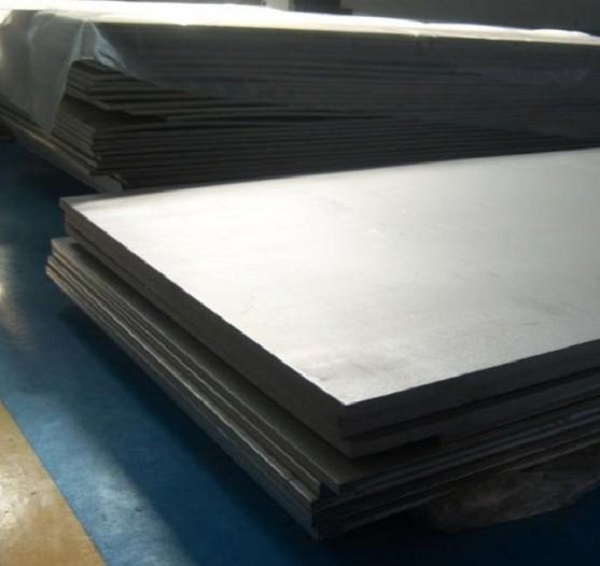
Copper has served humanity for thousands of years. Ancient coins carried it. Modern computer chips depend on it. Its warm reddish-gold shine and remarkable physical properties make it incredibly useful across countless projects. When you start looking for copper sheet metal for sale, you are choosing a material that people have valued for centuries. It is timeless in beauty. It is essential in function.
Key takeaways
- Choosing the right copper is the most important decision you will make.
- Copper’s unique properties translate into an amazing range of practical and creative uses.
- Let us walk through a practical example. Creating a custom kitchen backsplash demonstrates copper’s use in a home setting.
- The price of copper can seem complex. It is influenced by global markets and specific manufacturing processes.
What Are the Common Grades of Copper?
Choosing the right copper is the most important decision you will make. Small differences in purity and composition dramatically affect performance, workability, and cost. The industry uses the Unified Numbering System to classify copper and its alloys. A designation like C10100 tells a builder everything about the material’s properties.
For most buyers, understanding a few common grades is all that is necessary.
C110: The Versatile Workhorse
C110 is also known as Electrolytic Tough Pitch copper. It is the most common and widely used grade. It contains 99.9% copper with a small, controlled amount of oxygen.
This composition provides an excellent balance. You get high electrical conductivity. You get good formability. You get corrosion resistance. Its versatility makes it the default choice for a huge array of applications.
If your project does not have highly specialized demands, C110 is often the most economical and practical option.
Best for: General electrical components, building elements, decorative projects, and general construction.
C101: The Purity Choice
When absolute performance is non-negotiable, C101 is the answer. Known as Oxygen-Free Copper, this grade is refined to achieve minimum purity of 99.99%. The absence of oxygen and other impurities results in superior electrical and thermal conductivity. It also has enhanced formability.
C101 is the material of choice for high-end applications where even slight signal loss or inefficiency is unacceptable. It costs more. It performs better.
Best for: Premium audio cables, scientific instruments, critical aerospace components, and high-end electronics.
C122: The Builder’s Friend
C122 is also called Deoxidized High Phosphorus copper. It is specifically engineered for construction. It contains a small amount of phosphorus that acts as a deoxidizing agent.
This addition makes C122 immune to hydrogen brittleness. Other copper grades can become brittle when heated in hydrogen-rich atmospheres. C122 resists this. Consequently, it is the superior choice for any application involving welding, brazing, or soldering.
Its excellent formability and resistance to heat-related damage make it the standard for applications where seams must be securely joined.
Best for: Roofing, plumbing tubes, HVAC systems, and heat exchangers.
| Grade | UNS Number | Key Characteristics | Conductivity | Best For |
|---|---|---|---|---|
| Electrolytic Tough Pitch | C11000 | Balanced conductivity and formability, most common | 101% IACS | General electrical, building, decorative |
| Oxygen-Free Copper | C10100 | Ultra-high purity, superior conductivity | 101% IACS | High-end audio, electronics, vacuum components |
| Deoxidized High Phosphorus | C12200 | Excellent for welding and brazing, good formability | 85% IACS | Roofing, plumbing, HVAC, heat exchangers |
Copper Alloys: Brass and Bronze
While not pure copper, brass and bronze deserve brief mention.
Brass is an alloy of copper and zinc. It has a bright, gold-like appearance and excellent acoustic properties. Musical instruments often use brass.
Bronze is an alloy of copper and tin. It is valued for hardness, wear resistance, and deep rich color. Marine hardware and sculptures often use bronze.
Adding these elements changes material properties, creating a spectrum of metals suited for everything from musical instruments to marine applications.
How Is Copper Used in Different Applications?
Copper’s unique properties translate into an amazing range of practical and creative uses. From protecting historic buildings to enabling cutting-edge technology, this metal is a silent partner in our daily lives.
Building Excellence
In building design, copper means longevity and elegance. Its primary uses are roofing, flashing, and cladding. The material’s ability to be soldered and formed allows completely waterproof, seamless roof systems.
Properly installed copper roofs last well over 100 years with minimal maintenance. More than just durable, a copper roof is a living element of a building. It starts with salmon-pink sheen. It gradually deepens to rich brown. It eventually develops the iconic green patina that protects the underlying metal. This adds distinguished, timeless character to the structure.
Artistic Expression
For artists and craftspeople, copper is a wonderfully expressive medium. Its softness and malleability make it ideal for techniques like repoussé and chasing. The metal is hammered from front and back to create intricate three-dimensional designs.
Jewelers value it for its warm color. It can be used alone or as beautiful contrast to silver and gold. Sculptors appreciate its ability to hold fine detail and its predictable, beautiful aging process when exposed to elements.
Technical Performance
In the world of technology, copper is king. Its unmatched electrical conductivity makes it the backbone of modern electronics. Every printed circuit board relies on thin copper traces to route electrical signals. High-current applications use thick copper busbars to distribute power efficiently and safely.
Thermal conductivity is equally important. Copper heat sinks are essential for drawing damaging heat away from processors in computers and servers. They prevent overheating and enable high performance.
Case Study: How Do You Create a DIY Copper Backsplash?
Let us walk through a practical example. Creating a custom kitchen backsplash demonstrates copper’s use in a home setting. This project offers immense visual impact and is achievable for a dedicated DIYer.
Step 1: Select Your Material
We recommend C122 copper for this project. It offers excellent workability. Choose 24 gauge thickness, which is about 16 ounces. This is sturdy enough to resist dents but thin enough to cut with hand tools. Select a smooth, polished finish for modern look.
Step 2: Gather Essential Tools and Safety Gear
Gather supplies before you start. You will need heavy-duty tin snips or aviation shears. You need high-strength construction adhesive rated for metal. Get a measuring tape, level, J-roller, and caulking gun. Always wear heavy gloves to protect against sharp edges. Wear safety glasses to protect your eyes.
Step 3: Prepare and Install
First, thoroughly clean and degrease the wall surface. Measure the backsplash area carefully. Transfer these dimensions to your copper sheet.
When you cut the copper sheet metal for sale you just purchased, use slow, steady pressure with snips. This ensures clean lines.
Apply construction adhesive to the back of the sheet in a serpentine pattern. Keep about one inch from edges. Carefully press the sheet onto the wall. Use a level to ensure it is straight.
Common mistake: not applying uniform pressure. Use a J-roller to firmly roll over the entire surface. This ensures strong bond and eliminates air pockets.
Step 4: Finish and Seal
You now have a choice. To preserve the brilliant factory-new shine, you must seal the copper. After final degreasing with denatured alcohol, apply several thin coats of high-quality non-yellowing clear lacquer or paste wax.
Alternatively, to encourage warm aged look, leave it unsealed. You can use commercially available patina solution to create custom antique finish almost instantly.
What Affects Copper Pricing and Market Trends?
The price of copper can seem complex. It is influenced by global markets and specific manufacturing processes. By understanding key cost components, you can budget effectively and recognize fair deals when searching for copper sheet metal for sale.
Key Price Determining Factors
Several variables work together to determine final cost.
LME spot price: The foundation of all copper pricing is the daily spot price on the London Metal Exchange. This is the base cost of raw commodity. It fluctuates with global supply and demand.
Grade and purity: Higher purity grades like C101 require more intensive refining. They cost significantly more than standard grades like C110.
Thickness and dimensions: More material costs more. Thicker sheets with lower gauge numbers increase price. Larger dimensions also increase price proportionally.
Quantity: Suppliers offer tiered pricing. Price per pound or per square foot often decreases as order volume increases. Buying in bulk is more cost-effective.
Supplier markup: Price varies between sources. Mills producing metal have lowest prices. Large distributors are next. Online retailers and local hobby stores have highest markups to cover overhead.
Pricing by Weight Versus Area
You will see copper priced in two main ways. Per pound or per square foot.
Industrial suppliers dealing in large quantities typically price by weight. This is the most accurate measure of raw material.
Retailers and online stores catering to smaller projects often price by area. This is more convenient for customers needing specific sizes.
Always calculate cost both ways to make true comparison between suppliers.
What Insider Tips Help You Make a Smart Purchase?
Navigating the market can be tricky. A few expert strategies can save money and ensure you get right material.
Buy Remnants for Small Projects
If you only need a small piece for jewelry, repair, or art project, ask local metal distributors about remnants or off-cuts. These are leftover pieces from larger jobs. They are often sold at significant discount by weight.
Analyze Cut-to-Size Costs
Many suppliers offer to cut sheets to exact dimensions. While convenient, compare the cost of custom-cut piece to cost of full sheet. Sometimes labor charge for cutting can be high. It may be cheaper to buy standard size and cut it yourself.
Factor in Shipping
When buying copper sheet metal for sale online, pay close attention to shipping costs. Small sheets can go via standard parcel services. Large heavy sheets require freight shipping. This can be substantial and sometimes surprising expense.
Time Large Purchases
For major construction or manufacturing projects, monitoring LME commodity market can be beneficial. A slight dip in global price can translate to significant savings on large orders. For most small-scale buyers, this is less factor than your choice of supplier.
Where Should You Buy Copper Sheets?
Once you know what you need, find a reliable source. The best supplier depends on project size, budget, and location.
Online Metal Suppliers
Online suppliers offer most extensive selection of grades, thicknesses, and finishes. Vast inventories and competitive pricing make them excellent choice for both standard and hard-to-find materials.
Primary drawback is you cannot inspect material before buying. Shipping costs for large or heavy items can be high.
Local Metal Wholesalers
Local metal wholesalers or distributors are fantastic resources. They cater primarily to businesses but often sell to public. Key advantages include ability to see material firsthand, get expert advice from staff, and potentially purchase discounted remnants.
Downside is they may have minimum order requirements and more limited selection than large online retailers.
Big-Box and Hobby Stores
For very small projects, quick trip to home improvement or hobby store can be convenient. They typically stock small thin sheets suitable for crafts or minor repairs.
However, selection is extremely limited. Price per unit is significantly higher than dedicated metal suppliers.
Supplier Vetting Checklist
Before committing to purchase, especially large one, use this simple checklist:
Do they provide material test reports or certificates of conformity to verify grade and quality?
What are their cutting capabilities and dimensional tolerances?
What is return policy for material that arrives damaged or incorrect?
Are customer reviews and testimonials available and generally positive?
How to write a spec that gets priced correctly
A drawing is a contract. If it leaves a number open, the shop fills that number in with its own default. The default is rarely the one you had in mind. Put these five lines on every RFQ and most of the back-and-forth disappears before it starts.
- Flat pattern or STEP file plus a dimensioned drawing
- Material grade and thickness with the standard number
- Bend radii, K-factor and the direction of the grain
- Finish, masking and which faces stay bare
- Quantity and the assembly sequence
The point is not paperwork. Each line removes a decision the shop would otherwise make for you. A complete RFQ comes back priced. An incomplete one comes back guessed.
How Do You Store and Maintain Copper?
Your investment in copper does not end at purchase. Proper handling and care are essential to protect surface and ensure it achieves desired look.
Proper Storage and Handling
Before starting your project, proper storage matters. Always store copper sheets flat on clean dry surface. This prevents bending or warping.
If stacking multiple sheets, use interleaving paper between them. This prevents scratches. Keep metal in low-humidity environment. This controls premature or uneven tarnishing.
When handling sheets, wear clean gloves. Fingerprints contain oils that can cause discoloration.
The Two Paths of Finishes
Copper offers unique choice. You can fight to preserve brilliant new-penny shine. Or you can embrace and even accelerate natural aging. Your path determines maintenance routine.
Preserving Bright Finish
To maintain polished bright finish, regular cleaning is necessary. Simple paste of lemon juice and salt is effective natural cleaner. For tougher tarnish, commercial copper polish restores shine.
Most critical step is sealing. After cleaning and thoroughly degreasing surface, apply high-quality clear lacquer or specialized paste wax. This creates invisible barrier protecting copper from oxygen and moisture. It locks in brilliant finish.
Accelerating Natural Patina
For many, true beauty of copper is in patina. While this happens naturally over years, you can accelerate process.
In our experience, simple spray of saltwater solution applied lightly and allowed to air dry creates subtle brownish aging over few days.
For classic green patina, controlled environment fumed with ammonia is highly effective. But this process requires significant safety precautions and is best left to professionals.
Safer alternative for DIYers is commercially available aging solutions. These offer more predictable and consistent results for achieving specific blue or green finish.
Copper sheet metal offers timeless beauty and essential function across countless applications. From ancient coins to modern computer chips, its value endures.
Understanding copper grades is fundamental. C110 serves as versatile workhorse for most projects. C101 delivers ultimate purity for demanding technical applications. C122 excels in construction where welding and soldering matter.
Applications span building excellence, artistic expression, and technical performance. Copper roofs last over 100 years. Artists shape it into intricate designs. Electronics depend on its unmatched conductivity.
Pricing reflects global markets, grade purity, thickness, quantity, and supplier markup. Smart buyers consider all factors and use insider tips to maximize value.
Sourcing options include online suppliers with vast selection, local wholesalers with expert advice, and convenient hobby stores for small projects.
Storage and maintenance preserve your investment. Choose to seal bright finish or accelerate natural patina based on your vision.
Armed with this guide, you can look for copper sheet metal for sale not just as buyer, but as informed expert. It is time to start your next project and bring enduring beauty and performance of copper to life.
Our solution for Copper Sheet Metal
YiguProto runs sheet metal fabrication in house, from a single prototype to a production batch. We quote the process, the material and the finish as separate lines, so you can see where the money goes instead of arguing with one number.
Send a STEP file or a drawing and you get a DFM report in one to two business days. It flags the features that add cost and the features that will not hold tolerance on the process you picked.
Every order ships with an inspection report on the features you call out. If a part misses, we make it again. Ready to price a part? Start with a free quote and DFM review, or read more about our sheet metal fabrication. You can also talk to an engineer before you commit to a drawing.
FAQ about Copper Sheet Metal
Can Copper Sheet Metal be made in small quantities?
Yes, and small quantities are where a good supplier earns the next order. Setup dominates the price at low volume, so the cheapest route is usually the one with the fewest operations, not the cheapest material.
What is Copper Sheet Metal used for?
Copper Sheet Metal turns up wherever the part has to do a real job at a predictable cost: brackets, housings, fixtures, covers and the fittings that hold them together. The honest test is whether the properties match the load and the environment, not whether the material is fashionable.
Does the process work for prototypes as well as production?
Yes, and that is usually the point. Running the prototype on the production process removes a whole class of surprises, because the part you test is made the same way as the part you sell.
Is there a minimum order quantity?
No hard minimum. One part is fine. What changes with volume is which costs dominate, so a single unit is priced mostly on setup and a thousand units are priced mostly on cycle time and material.
How much does Copper Sheet Metal cost?
Price comes from five lines: material, machine or tool time, setup, finishing and inspection. The material itself is usually the smallest of them. Send a drawing and we will split the quote so you can see which line is doing the damage.
What should I check before approving the parts?
Datums first, then the features that mate, then the cosmetic faces. Ask for a dimensional report, a material certificate and a finish sample. A part can be inside every tolerance and still not fit, so assemble one before you sign.
The short version
Copper Sheet Metal rewards the buyer who reads the data sheet and the drawing together. Pick the option for the property that matters, not for the price per kilo.
Tighten only what mates. Test a sample before the run. Then let the process do the rest.