
Sheet Metal
What Drives Galvanized Sheet Metal Prices? A Complete Buyer’s Guide
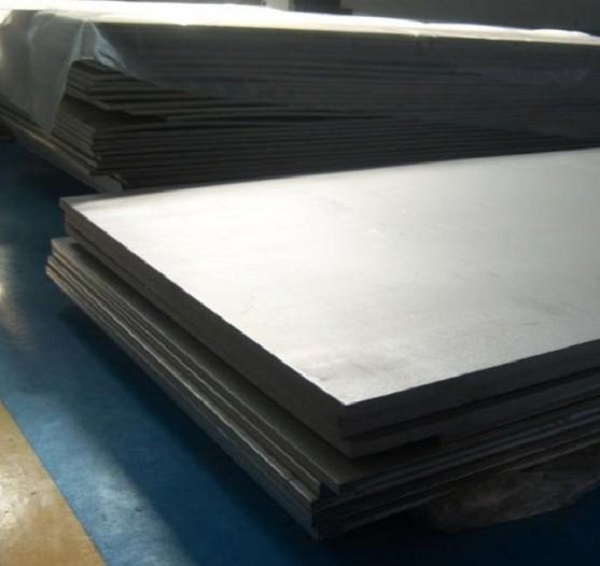
When buying materials, the first question is always about cost. For galvanized sheet metal, this is not a simple question with one answer. The price changes constantly. World markets affect it. Material details influence it. Shipping factors impact it. This guide breaks down those factors to help you as a buyer. You will understand what drives prices and how to get the best value for your projects.
Key takeaways
- The final price of galvanized sheet metal is built from the ground up. To understand your quote, you must understand its seven key parts.
- The saying “all business is local” is especially true for galvanized sheet metal prices.
- Experienced buyers know that what you buy is only part of the equation. When you buy is just as important.
- Getting the best value on galvanized sheet metal goes beyond simply asking for a price. It requires a professional, systematic approach to buying.
The Quick Answer
Based on current market data and supplier surveys, you can expect galvanized sheet metal prices to range from $1,200 to $2,200 per ton. For smaller amounts, this equals about $2.50 to $5.50 per square foot for common thicknesses.
These numbers are just a snapshot in time. They give you a starting point. Your final price will depend on several important factors.
Why There Is No Single Price
A quote for galvanized sheet includes many different costs. Understanding these parts is the first step to managing your budget well. The price you pay depends on:
- Material details like base metal and zinc coating
- Economic and market forces
- Order size and shipping
- Supplier and regional differences
This guide explains each of these parts. You will gain the knowledge needed to navigate the market and get the best possible value.
What Are the Core Cost Components?
The final price of galvanized sheet metal is built from the ground up. To understand your quote, you must understand its seven key parts. Each factor adds to the total cost. Knowing how they work helps you make smart decisions about your specifications.
Base Steel Price
The biggest single part of the cost is the steel itself. Galvanized sheet starts as a coil of either hot-rolled or cold-rolled steel. The price of this base metal is not set by the mill. It is a commodity traded worldwide.
Its value is directly tied to the changing costs of raw materials like iron ore and coking coal. Global supply and demand also drive prices. Industry professionals watch benchmarks like the CRU Steel Price Index to track market direction. A rise in base steel price will inevitably lead to higher galvanized sheet metal prices.
Zinc Coating Weight
The galvanized part of the sheet is the zinc coating that protects steel from rust. The thickness, or weight, of this coating significantly affects cost. Zinc is also a traded commodity. Its price is tracked on exchanges like the London Metal Exchange.
This coating is marked by a G number. Examples include G30, G60, or G90. This number shows the total weight of zinc on both sides of the sheet. It is measured in ounces per square foot.
G30 has 0.30 ounces per square foot. It is good for indoor use with low rust risk.
G60 has 0.60 ounces per square foot. It is a common choice for general construction and outdoor use in moderate environments.
G90 has 0.90 ounces per square foot. It is the standard for high-rust environments. It offers better protection but at higher material cost due to increased zinc use.
Choosing G90 coating when G60 would work is a common source of overspending.
Sheet Thickness and Size
The physical size of the sheet directly affects its weight and therefore its cost. Thickness is measured by gauge. Lower gauge numbers mean thicker, heavier, and more expensive sheets. A 16-gauge sheet is much thicker and costlier than a 24-gauge sheet.
Standard sizes are the most cost-effective. Typical sizes are 48 inches by 96 inches or 48 inches by 120 inches. Asking for non-standard widths or lengths can add extra charges. The supplier may need to cut a wider coil. This takes setup time and can create material waste that gets added to your price.
Manufacturing and Processing
The process of applying zinc to steel adds labor, energy, and equipment costs. The most common method is continuous hot-dip galvanizing. A steel coil passes through a bath of melted zinc. This uses a lot of energy.
Any extra processing you need will add to the final cost. Services like cutting coils to specific width, cutting sheets to exact length, or forming panels into shapes all have their own charges.
Supplier Overhead
Your material passes through a supply chain. Each link adds a margin to cover costs and make profit. A large steel mill has huge overhead but benefits from large-scale production. A regional service center buys coils from the mill, holds inventory, and processes material. They add their value and margin. A local retailer buys from the service center and adds another margin. Understanding your supplier’s position in this chain helps explain their pricing structure.
Transportation and Shipping
Steel is heavy. Moving it is expensive. Freight costs are a big part of the final delivered price. This includes shipping master coils from mill to service center. It includes final delivery from supplier to your job site. Fuel charges, distance, and freight class all play a role. A supplier located hundreds of miles away may offer lower unit price. But shipping cost could cancel out any savings.
Quality and Certifications
Good suppliers provide material that meets specific industry standards. The most common is ASTM A653. This standard sets chemical and mechanical properties of steel and zinc coating. Meeting these standards requires careful quality control and testing. This adds a small but important cost.
Non-certified or secondary material may be available at discount. But it carries risk of inconsistent quality, uncertain performance, and potential project failure. For most professional uses, the extra cost for certified material is a necessary investment.
| Cost Factor | Effect on Price | Can Buyer Control? |
|---|---|---|
| Base Steel Price | High | Low |
| Zinc Coating | Medium | High |
| Thickness and Size | High | High |
| Processing | Medium | High |
| Supplier Margin | Medium | Medium through negotiation |
| Shipping | Medium | Medium through supplier choice |
| Certifications | Low | High |
How Does Geography Affect Pricing?
The saying “all business is local” is especially true for galvanized sheet metal prices. A quote you get in Ohio can be very different from one in California. Even for the exact same material. Understanding these regional differences is important for accurate budgeting and supplier selection.
Why Your Location Matters
Several geographic factors create price differences across the country. Ignoring them can lead to unexpected costs and wrong budget estimates.
Distance to mills and ports matters greatly. The United States has major steel-producing regions in the Midwest and the South. If your project is in a state like Indiana or Alabama, your supplier’s shipping costs are relatively low. If you are in the Pacific Northwest or New England, that same steel has to travel much further. This added transportation cost is passed directly to you.
Local market demand drives prices. A construction boom in a specific area like Austin or Miami increases local demand for steel products. Multiple projects compete for the same pool of material and labor from regional service centers. Prices naturally rise. In a slower market, suppliers may be more competitive with pricing to move inventory.
State and local taxes are straightforward but often overlooked. Sales tax rates vary significantly from state to state and even city to city. A 2 percent difference in sales tax on a $100,000 material order amounts to an extra $2,000 in project cost.
Labor and operating costs vary by region. A supplier operating in a high-cost-of-living area will have higher expenses for labor, warehousing, and utilities. These operating costs are built into their profit margin and reflected in their pricing.
When Is the Best Time to Buy?
Experienced buyers know that what you buy is only part of the equation. When you buy is just as important. Galvanized sheet metal prices are not static. They rise and fall with predictable seasonal cycles and less predictable economic currents. Strategic timing can be one of the most effective cost-saving tools available.
Seasonal Demand Cycles
The construction industry has distinct seasonality that directly affects pricing and lead times.
Prices typically begin to firm up and rise in early spring. Contractors prepare for the peak building season. Demand remains strong through summer and early fall. Prices stay high. Lead times extend. As experienced buyers know, placing orders in the fourth quarter for first quarter delivery can often lock in lower prices before the spring rush begins.
Demand tends to soften in late fall and winter months. Fewer active projects mean suppliers are more motivated to move inventory. This period often presents the best opportunity for getting favorable pricing. This is especially true on larger stock orders for the year ahead.
Broader Market Forces
Beyond seasonal trends, several economic factors can cause significant price changes. Watching these forces can help you anticipate major price shifts.
Commodity market changes drive prices. Steel and zinc are tied to global commodity markets. A spike in iron ore futures will ripple through the supply chain. A supply disruption at a major zinc mine will affect galvanized sheet metal prices weeks or months later.
Trade policy and tariffs have immediate and dramatic impact. The addition of tariffs on imported steel from certain countries can restrict supply. This drives up the price of domestic material as demand shifts. Staying informed about trade policy is critical for long-term buying strategy.
Energy costs affect production. Steel production and galvanizing use extremely large amounts of energy. A significant increase in the price of natural gas or electricity directly raises production costs for mills. These increases are inevitably passed on to customers.
World events create uncertainty. Global instability from trade disputes to armed conflicts can disrupt shipping lanes. They affect raw material availability. They create market uncertainty. These events often lead to price changes as the market reacts to potential supply chain risks.
What Is the Professional Buying Playbook?
Getting the best value on galvanized sheet metal goes beyond simply asking for a price. It requires a professional, systematic approach to buying. A well-executed process ensures you get accurate, comparable quotes. It establishes you as a serious buyer in the eyes of suppliers.
Step 1: Define Specifications
Vagueness is expensive. Before contacting any supplier, you must have your exact requirements defined. A supplier receiving an unclear request like “I need a price on some galvanized sheets” will either provide a quote for a common but potentially wrong item. Or they will build a risk premium into their price to cover potential changes.
Be precise. Know your required standard, coating, thickness, and dimensions.
Step 2: Create a Professional RFQ
Put your requirements into a formal Request for Quotation. This written document eliminates miscommunication. It ensures every supplier is bidding on the exact same specifications. This is the only way to make a true apples-to-apples comparison.
A professional RFQ signals to the supplier that you are an organized and knowledgeable buyer. This can lead to more competitive pricing.
Use the following template as a guide. It can be copied into an email or a formal document.
— RFQ TEMPLATE — To: [Supplier Name] From: [Your Name/Company] Date: [Date] Subject: Request for Quotation – Galvanized Steel Sheet We request a quotation for the following items: Product: Galvanized Steel Sheet Standard: ASTM A653 Coating: G90 Material: Cold-Rolled Thickness: 24 Gauge Dimensions: 48″ x 120″ Quantity: 150 Sheets Delivery: Required by [Date] to [Full Delivery Address] Please specify: Price per sheet, total cost, estimated freight cost, and payment terms. Thank you. — END TEMPLATE —
Step 3: Contact Multiple Suppliers
Never rely on a single quote. For any significant purchase, get bids from at least three to five different suppliers. This creates a competitive environment. It gives you a clear picture of the current market price.
Understand the different types of suppliers:
Mills only sell directly for extremely large orders. This means multiple truckloads of a single item. This is not an option for most buyers.
Service centers and wholesalers are the primary source for most contractors and fabricators. They buy coils from mills and process them to order. This is the best source for bulk and project-based quantities.
Retailers include local metal suppliers or home improvement stores. They are best for very small quantities or immediate needs. Their prices will be the highest.
Step 4: Analyze Bids Beyond Price
The lowest unit price is not always the best value. When you receive your quotes, create a simple spreadsheet to compare them across several key metrics.
Unit price is the cost per sheet or per pound.
Total material cost is unit price multiplied by quantity.
Freight cost may be included or separate. A low unit price can be wiped out by high shipping fees.
Lead time matters. How long will it take for material to be delivered? A cheaper supplier with six-week lead time may not work for a project starting in two weeks.
Payment terms affect cash flow. A supplier offering net 60 terms may be more valuable than one demanding payment on delivery. Even if their price is slightly higher.
Only by comparing all these factors can you determine the true best offer for your project.
How Can You Unlock Significant Savings?
Understanding market dynamics and running a professional buying process lays the groundwork for cost savings. The next step is to use that knowledge to actively reduce your material costs through smart purchasing strategies and effective negotiation.
The Power of Volume
The single most effective way to lower your unit cost is to buy in larger quantities. Suppliers operate on a tiered pricing model. The price to purchase a few sheets from a retailer will be significantly higher per unit than the price to purchase a full cut-to-size coil from a service center.
The difference comes from reduced handling, processing efficiency, and the supplier’s own volume discounts from the mill.
Let us illustrate with a common scenario. You need material for a 3,000 square foot commercial roofing project.
| Purchase Method | Quantity | Unit Price | Total Material Cost | Notes |
|---|---|---|---|---|
| Small Quantity | 100 sheets at 32 sq ft each | $45 per sheet | $4,500 | Bought as needed from local retailer |
| Bulk Quantity | One full coil cut to size | Equivalent to $35 per sheet | $3,500 | Single bulk order, potential freight cost |
| Net Savings | $1,000 | 22 percent savings |
As the table shows, combining the purchase into a single bulk order from a service center yields a dramatic 22 percent saving on material costs. This requires more upfront planning and capital. The return is substantial. Whenever possible, combine your material needs for a project or even across multiple projects to leverage the power of volume purchasing.
Tips for Negotiating
Once you have multiple comparable quotes, you have leverage to negotiate. Remember that negotiation is not about demanding an unreasonable price. It is about finding mutual value. These strategies can reduce costs by 5 to 10 percent on average.
Be prepared to buy. Suppliers give best prices to buyers who are ready to place order. Approach negotiation with your finalized RFQ, project timeline, and payment information ready. This signals you are a serious customer, not just a price-checker.
Show loyalty. If you have ongoing or future projects, mention them. Frame the conversation around long-term partnership rather than one-time transaction. A supplier is more likely to offer discount to secure a repeat customer.
Negotiate terms, not just price. If a supplier is firm on unit price, explore other areas. Ask for extended payment terms like net 60 instead of net 30. This improves your cash flow. Request that they include delivery at no extra charge or reduce quoted freight cost.
Be flexible on specs. Ask your sales representative if they have any overstock or non-standard inventory they want to move. They might have a slightly different width or a coil end that they can offer at significant discount. This works if it still meets your project’s structural requirements.
Bundle your orders. If your project also requires other metal products like purlins, fasteners, or trim, ask for a package deal. Suppliers are more willing to discount when they can increase the total size of the sale.
Offer quick pickup. Coordinating freight is a task for the supplier. If you have the capability to pick up the material yourself from their warehouse, offer to do so. This can sometimes result in a small price reduction as it saves them time and effort.
Navigating galvanized sheet metal prices can seem complex. But the path to becoming smarter, more effective buyer is straightforward. It is a process of replacing assumptions with knowledge and passive acceptance with active strategy.
By understanding the forces that shape prices, you move from being a price-taker to a strategic partner in the buying process.
Price is dynamic. Always remember that galvanized sheet metal prices are not fixed. They are the fluid result of material, market, and shipping factors that you can understand and anticipate.
Knowledge is power. Understanding key cost drivers from base steel price to zinc coating weight gives you insight needed to specify materials intelligently and avoid overspending.
Always get multiple quotes. Never settle for the first price you receive. Use detailed professional RFQ to ensure you are comparing suppliers on equal basis.
Think beyond unit price. The best deal is found by analyzing entire offer. Look carefully at lead times, shipping costs, and payment terms to find true best value for your project’s specific needs.
Plan ahead. The greatest savings are realized through strategic planning. Buying in bulk and timing purchases to align with market lulls rather than peaks will consistently yield most significant cost reductions.
By implementing this playbook, you will control your material costs more effectively. You will build stronger relationships with suppliers. You will ensure success of your projects.
Our solution for Drives Galvanized Sheet Metal Prices
YiguProto runs sheet metal fabrication in house, from a single prototype to a production batch. We quote the process, the material and the finish as separate lines, so you can see where the money goes instead of arguing with one number.
Send a STEP file or a drawing and you get a DFM report in one to two business days. It flags the features that add cost and the features that will not hold tolerance on the process you picked.
Every order ships with an inspection report on the features you call out. If a part misses, we make it again. Ready to price a part? Start with a free quote and DFM review, or read more about our sheet metal fabrication. You can also talk to an engineer before you commit to a drawing.
FAQ about Drives Galvanized Sheet Metal Prices
What files do you need in order to quote?
A STEP file plus a PDF drawing that carries the same revision letter. The model carries the geometry and the drawing carries the intent. When the two disagree, the shop picks one, and it is never the one you meant.
What is the lead time for Drives Galvanized Sheet Metal Prices?
Expect 3 to 7 business days after drawing release. Tooling, material stock and the finishing queue all move that number, so we confirm the date in writing before the run starts rather than after.
How do I compare two quotes fairly?
Match the scope first: same drawing, same material, same finish, same inspection. Then read the exclusions. Freight, tooling and certificates are the usual gaps, and a low number with three gaps is not a low number.
What material should I specify?
Specify by standard, not by trade name. A trade name can change under you between two orders; a standard number cannot. Then add the one property that actually decides the part, whether that is strength, heat resistance or chemical exposure.
How much does Drives Galvanized Sheet Metal Prices cost?
Price comes from five lines: material, machine or tool time, setup, finishing and inspection. The material itself is usually the smallest of them. Send a drawing and we will split the quote so you can see which line is doing the damage.
What should I check before approving the parts?
Datums first, then the features that mate, then the cosmetic faces. Ask for a dimensional report, a material certificate and a finish sample. A part can be inside every tolerance and still not fit, so assemble one before you sign.
The short version
Drives Galvanized Sheet Metal Prices rewards the buyer who reads the data sheet and the drawing together. Pick the option for the property that matters, not for the price per kilo.
Tighten only what mates. Test a sample before the run. Then let the process do the rest.