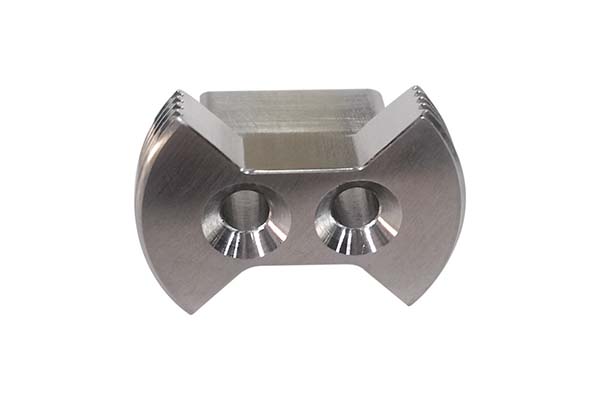
What Are Die Casting Aluminum Spoons and Why Choose Them?
Die casting aluminum spoons have become popular in homes, airlines, and commercial spaces. They combine lightweight…

Blog
More plain-English guides to custom manufacturing. Page 98 of 103. Browse by process, material or buying question.
Die casting aluminum spoons have become popular in homes, airlines, and commercial spaces. They combine lightweight…
Die casting aluminum parts come out of the mold functional but unfinished. Their raw surfaces may have release agent…
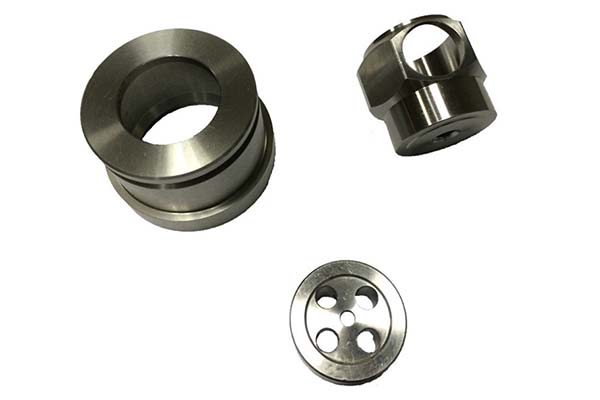
Die casting clip ruins the surface of otherwise good castings. You see it as layers peeling away from the metal, like…
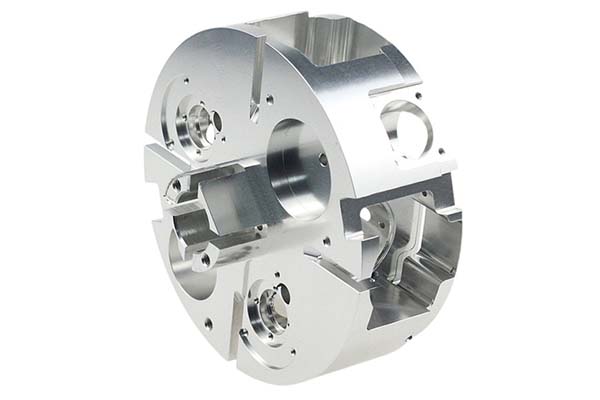
If you work with die casting, you know that not all defects are visible. Some hide inside the metal, waiting to cause…
Die casting cold material destroys parts from the inside out. It happens when molten metal cools too much before…
Die casting cold partitions—often called cold shuts—create visible seams on castings that hide serious internal…
If you have ever had a casting stick in the mold, you know the frustration. Production stops. Parts are damaged.…
If you work with die casting, you know that every part of the process matters. But some components get less attention…
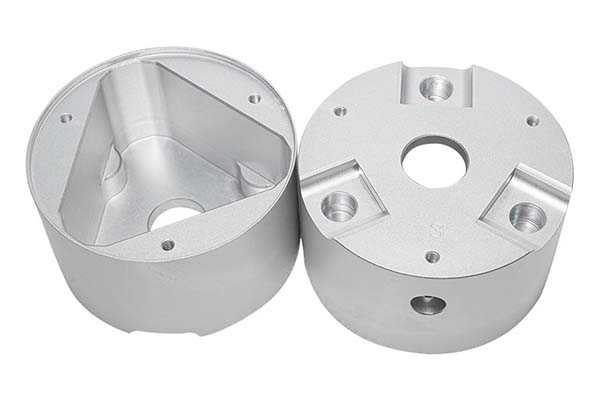
If you have ever struggled with porosity, cold shuts, or incomplete filling in your die cast parts, the problem might…
You see their products everywhere—the metal housing of your phone, the bracket holding your car’s engine, the handle…
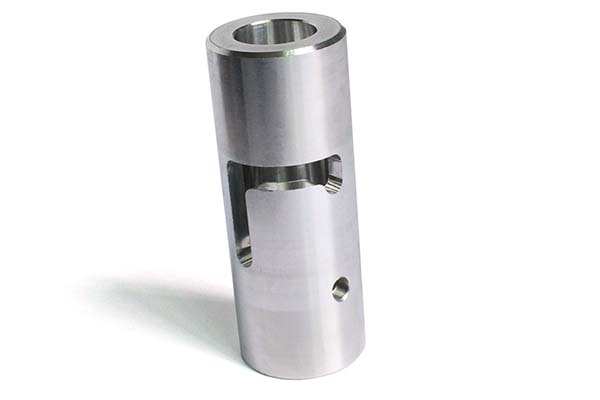
You have seen them: linear grooves, color variations, or uneven textures running across the surface of a die cast…
Die casting forming shapes the modern world around us. Your smartphone frame, car engine parts, and even faucet…
If you manufacture die cast parts, you have probably seen the effects of hot joints even if you did not know the…
Die casting multi-material defects ruin parts from the inside out. They appear as mottled surfaces, foreign particle…
If you work with die casting, you know that small changes in settings can mean the difference between perfect parts…
If you are sourcing die cast parts, you have probably noticed that prices vary wildly. An aluminum part from a…
The die casting runner system is the hidden network that makes or breaks your parts. It channels molten metal from…
Die-casting sand holes—also called porosity or pinholes—are tiny voids that weaken cast parts. They range from 0.1mm…
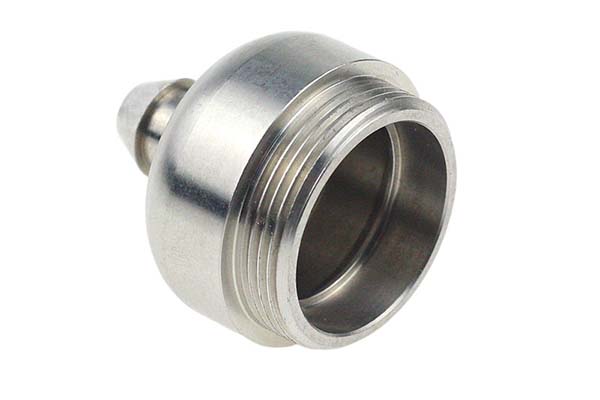
Die casting specific pressure is the hidden force that determines whether your parts come out perfect or full of…
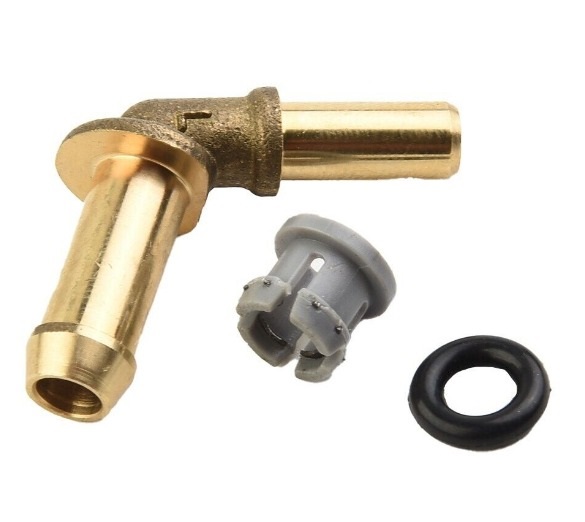
If you are developing a plastic product, you will eventually face this question: should I make prototype parts or go…
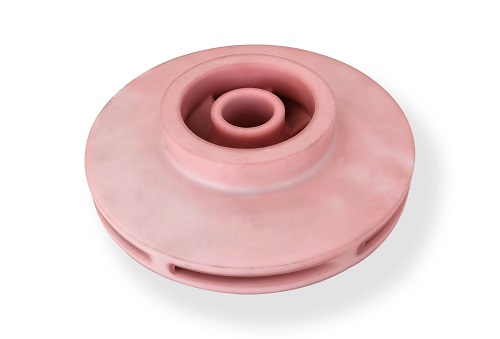
You’re ready to bring a 3D design to life, but a quick search leaves you at a crossroads: FDM or SLA? It’s a classic…
Silicone materials play a huge role in modern manufacturing. But not all silicones work the same way. Condensed…
If you need metal parts made, you have two fundamental choices: traditional casting (often called “cast”) or die…
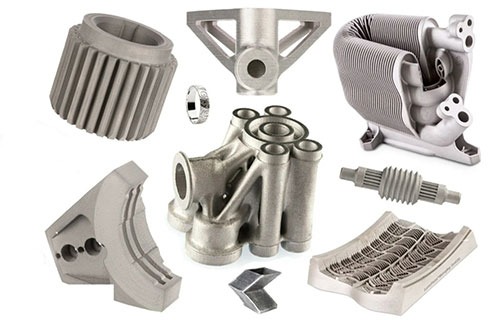
Choosing a printing method often feels like picking a tool from a well-stocked workshop. You wouldn’t use a…
Pouring and die casting sit at opposite ends of the metal-forming spectrum. One uses nothing but gravity to fill…
If you need metal parts made, you have likely encountered two common processes: precision casting and die casting.…
Silicone compounding and steel mold processes sit at opposite ends of the manufacturing spectrum. One is fast…
If you are planning to manufacture plastic parts, one of the first big decisions you will face is what kind of mold…
Choosing between zinc and aluminum die casting is a critical decision that shapes your product’s quality, cost, and…
If you run a die-casting operation, you know that flue gas is more than just smoke. It is a complex mix of…
Send us your 3D file or drawing. An engineer will review it and tell you which process fits, what it will cost, and what to change before you cut metal.